Trento is an autonomous province in northern Italy's Trentino-Alto Adige region, known for its Alpine mountains, lakes, and distinctive culture blending Italian and Central European influences. The province is famous for its outdoor recreation, wine production, and well-preserved medieval architecture.
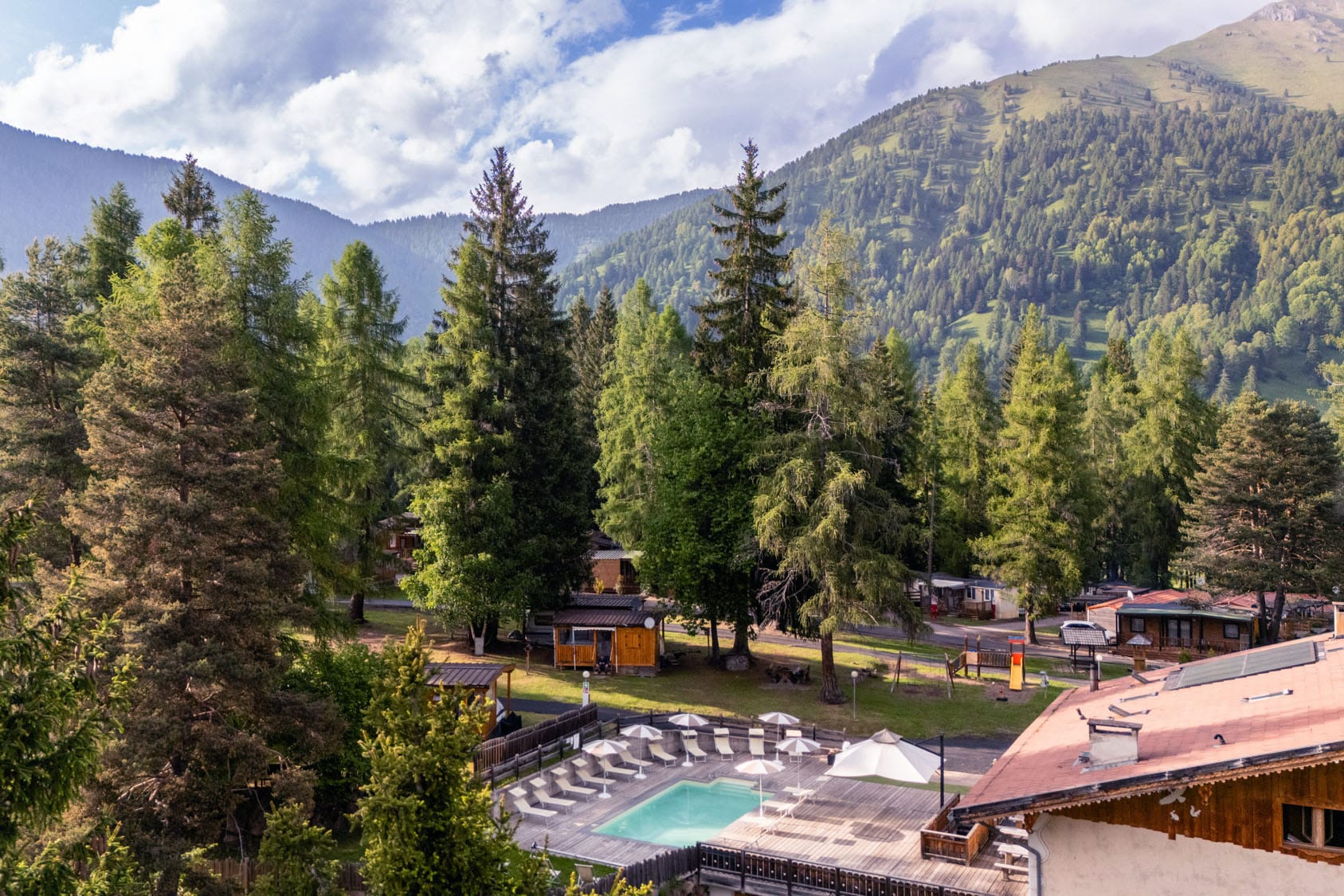
Browse Trento campsites Dolomites, Trento, Italy Photo by Paul Krüger on UnsplashTrento was ruled by Prince-Bishops for centuries before becoming part of the Austrian Empire in 1815. It was returned to Italy after World War I and later became an autonomous province in 1948, developing into a center for winter sports and mountain tourism.
One of the great Alpine crossings, following the Adige valley north from Trento through orchards and vineyards before climbing to the Brenner Pass and on into Austria. Easy to combine with an Interrail trip between Italy and Austria/Germany.
A regional line running north from Trento up the Val di Non and Val di Sole to the foot of the Brenta Dolomites and Presanella/Adamello group, useful for reaching hiking and biking bases without a car.
A long-distance trail linking WWI front-line forts, trenches and memorials from Passo del Tonale to the Marmolada, mostly through Trentino; can be tackled in short day sections.
The most famous via ferrata network in the Brenta Dolomites, threading ledges and iron rungs high above Madonna di Campiglio; spectacular but requires proper equipment and a head for heights.
A trek through the wild, little-visited Lagorai range east of Trento, known for porphyry peaks, alpine lakes and far fewer crowds than the Dolomites.
A gentle lakeside path around one of Trentino's most photogenic glacial lakes inside the Adamello-Brenta park, good for families.
A flat, well-surfaced cycle path following the Adige river north from Trento to Bolzano through vineyards and apple orchards; part of a longer route that continues to Lake Garda.
Cycle path hugging the northern shore of Lake Garda between Torbole and Riva, with views up to the cliffs of Monte Baldo; links south into the longer Lake Garda cycle route.
A classic Giro d'Italia climb up to the Tonale Pass on the border with Lombardy, popular with road cyclists tackling multiple Alpine passes in a day.
A dedicated valley-floor cycle path through Val di Sole, mostly traffic-free, connecting villages below the Brenta and Adamello-Presanella groups.
Lively town at the northern tip of Lake Garda, backed by cliffs, popular for windsurfing, sailing and climbing, with a walkable old harbour and lakeside promenade.
Alpine resort town at the foot of the Brenta Dolomites, a base for skiing in winter and via ferrata/hiking in summer.
Small lakeside village with views of the Brenta Dolomites reflected in Lake Molveno, quieter than Garda and good for swimming and lake walks.
Mountain resort surrounded by the jagged Pale di San Martino peaks, a gateway to the Paneveggio nature park.
Historic town south of Trento known for the MART modern art museum, a medieval castle housing an Italian war history museum, and the Bell of the Fallen (Maria Dolens) overlooking the valley.
Reliable thermal winds (the Ora and Peler) make the northern end of Lake Garda one of Europe's best spots for windsurfing and sailing schools.
Trentino is the birthplace of via ferrata; routes like the Bocchette network offer protected iron-rung climbing through dramatic rock scenery.
Trentino produces Trentodoc, traditional-method sparkling wine from mountain vineyards; several cellars around Trento and the Adige valley offer tastings and tours.
Well-groomed pistes and connections into the wider Dolomiti Superski network make winter sports a major draw across the region.
The border between Italy and Austria-Hungary ran through Trentino; restored forts, trenches and open-air museums (e.g. around Passo del Tonale and Ledro) let visitors walk the front line.
Trentino's kitchen mixes Alpine and northern-Italian traditions: canederli (bread dumplings) served in broth or with butter and cheese, polenta with local sausage or wild game, and speck and Trentingrana cheese from mountain dairies. Apples from the Val di Non and small red fruits from higher valleys feature heavily, alongside strudel showing the region's Austrian past. The signature drink is Trentodoc, a traditional-method sparkling wine made from mountain-grown Chardonnay and Pinot Nero, while still wines like Teroldego Rotaliano and Marzemino come from the Adige valley floor.
The Brenta massif near Madonna di Campiglio is one of the nine mountain systems that make up the Dolomites UNESCO World Heritage Site, recognised for its dramatic rock towers and geology.
Bronze Age pile-dwelling remains at Lake Ledro and Fiavè form part of this transnational UNESCO site; the Museo delle Palafitte at Molina di Ledro displays finds and reconstructions.
Trentino's largest protected area, spanning the Brenta Dolomites and the Adamello-Presanella glaciers, home to reintroduced brown bears, alpine lakes and extensive hiking and via ferrata networks.
Protects the Paneveggio forest (source of resonance wood historically used for violins) and the dolomitic Pale di San Martino group.
The Val di Sole and Val di Rabbi valleys form the southern edge of one of Italy's largest national parks, with high glaciers, ibex and marmots.
One of the world's oldest mountain and exploration film festivals, held in Trento each spring (April/May) with screenings, talks and outdoor events.
Trento's Christmas markets fill the historic centre with wooden chalets selling crafts, mulled wine and local food from late November into early January.
A summer festival in Trento (June) with historical parades, medieval and Roman re-enactments, and street entertainment celebrating the city's patron saint, San Vigilio.
A summer festival (June-September) staging classical, jazz and world-music concerts at remote high-altitude locations across the Trentino Dolomites, reached on foot.