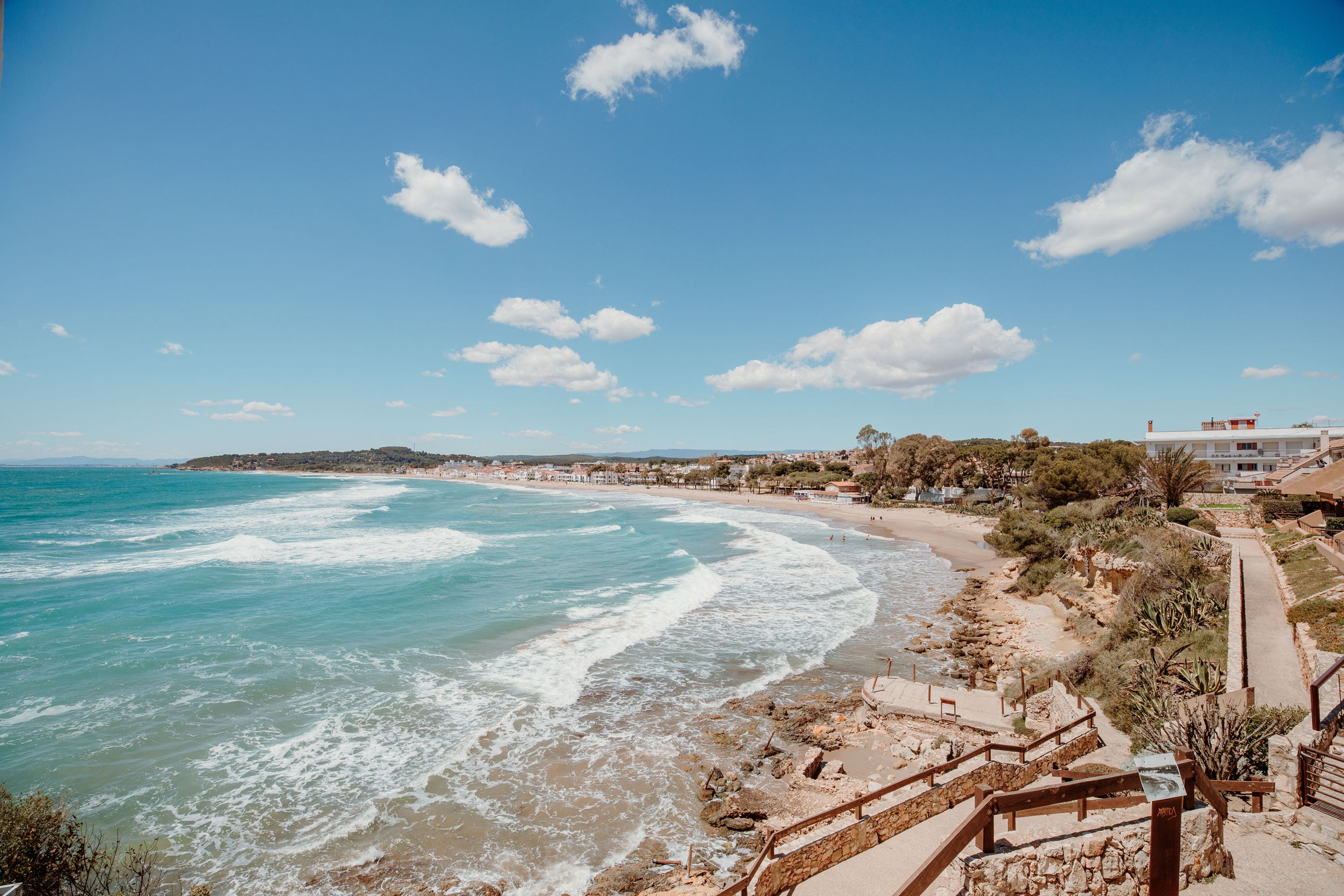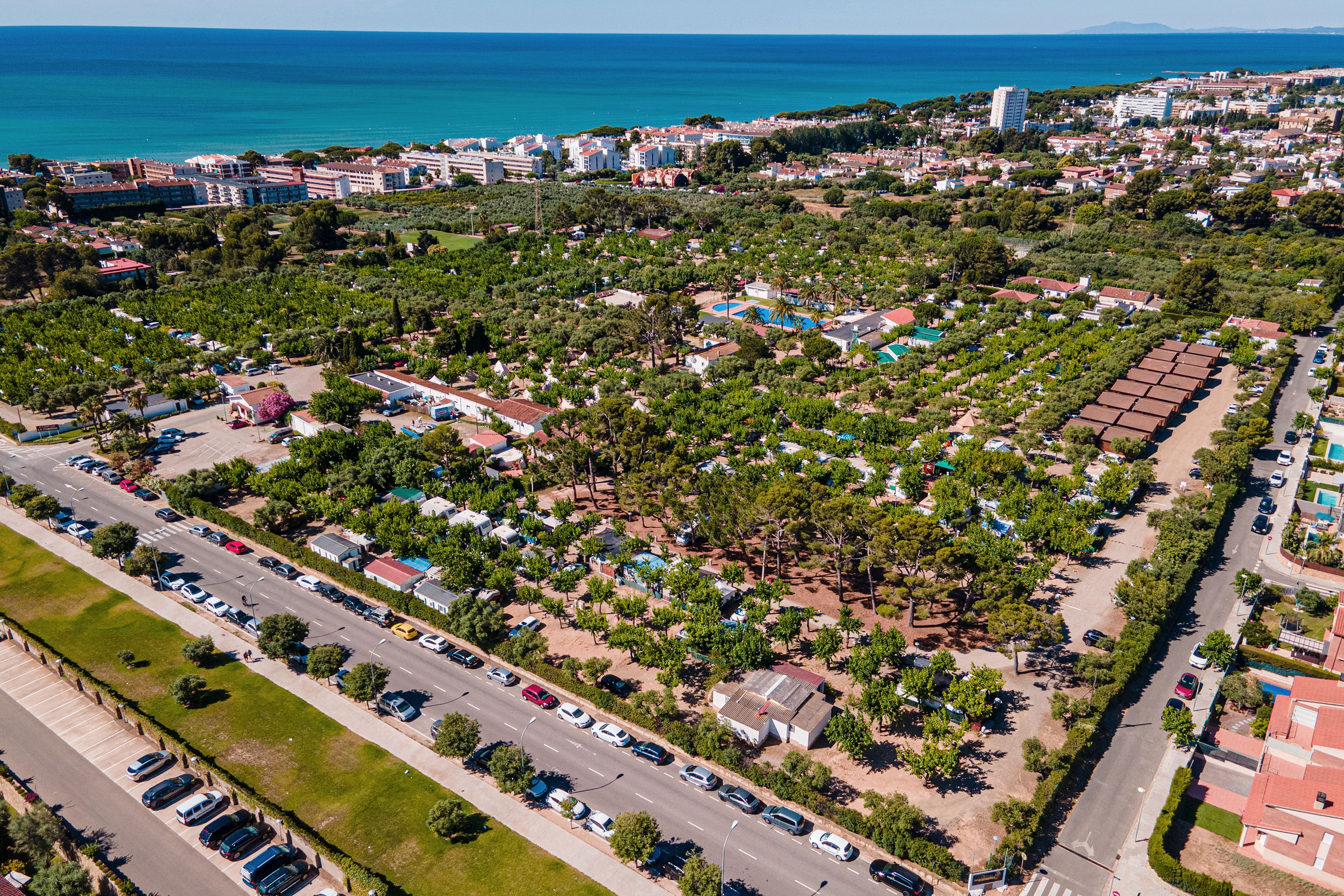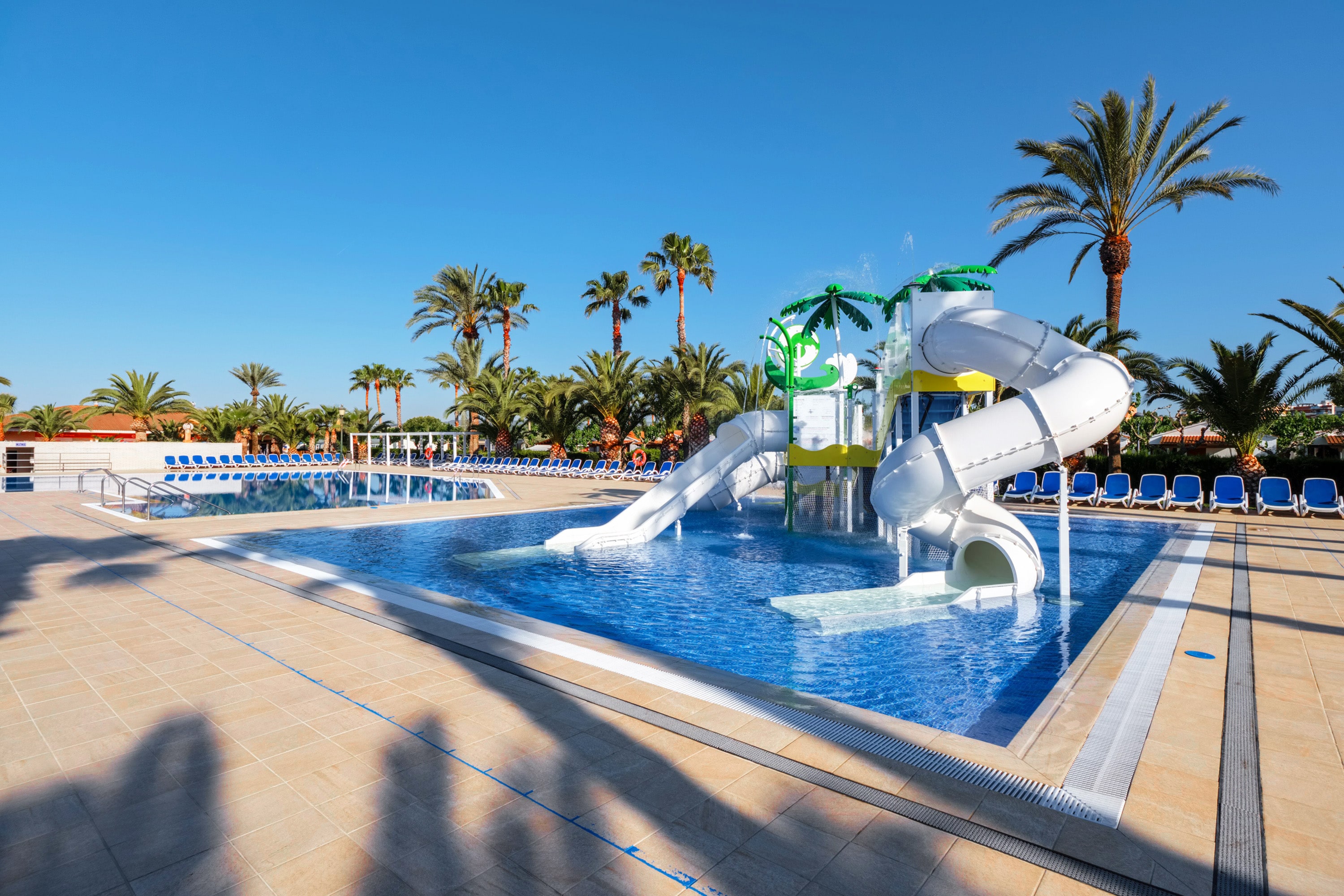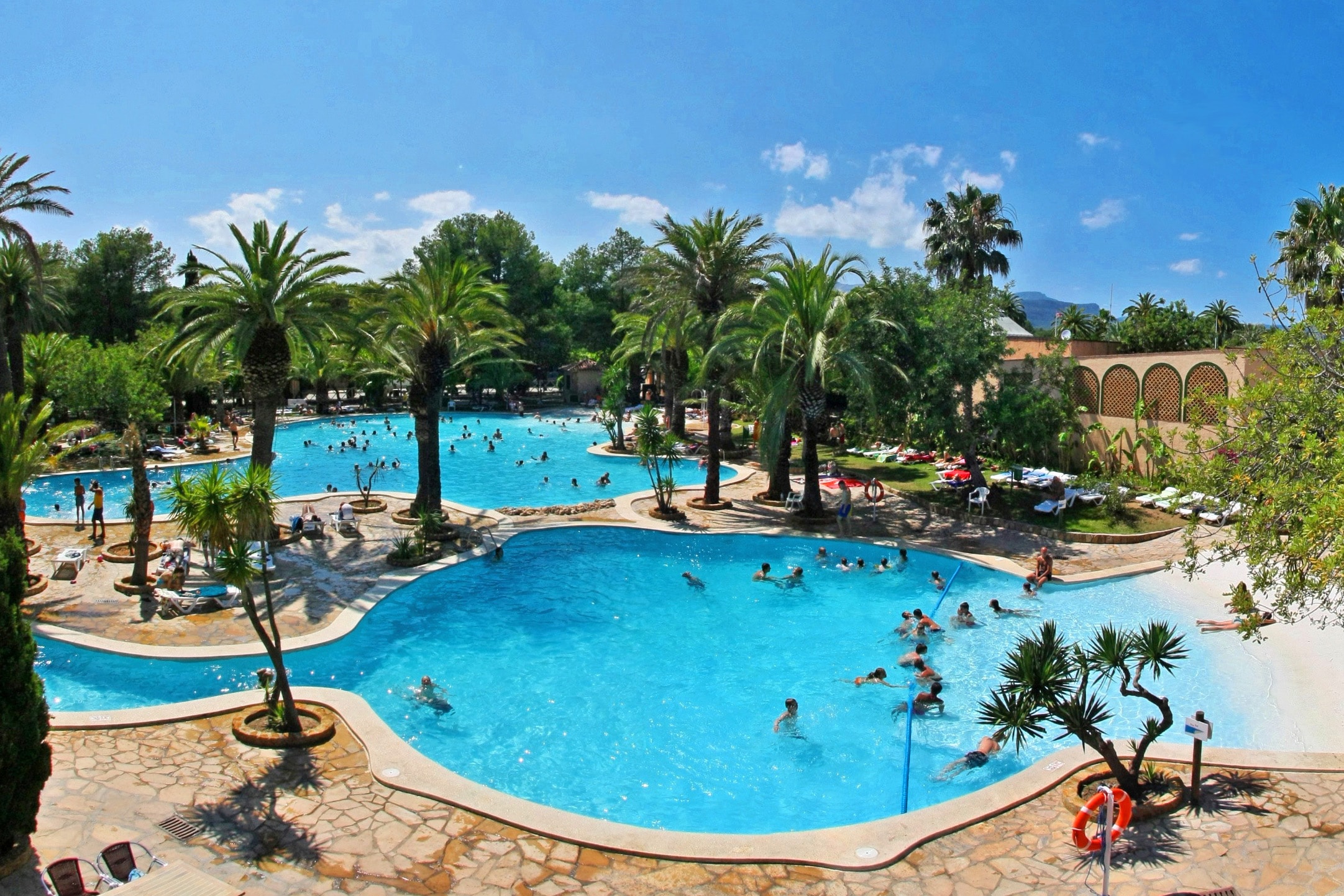
Tarragona is a coastal province in Catalonia, Spain, renowned for its Roman heritage, Mediterranean beaches, and wine production. The region offers a mix of cultural attractions and natural beauty along the Costa Dorada.
Browse Tarragona campsites Roman Amphitheatre, Tarragona, Spain Photo by Maria Lupan on UnsplashTarragona was founded by the Romans as Tarraco and served as an important port and military base during the Roman Empire. The province has a rich Catalan heritage and played a significant role in Mediterranean trade throughout medieval and modern periods.
This regional line hugs the Costa Daurada shoreline for long stretches south of Tarragona, giving passengers sea views past Vandellòs and towards the Ebro Delta - a relaxed way to string together coastal towns without a car.
Heading inland from Tarragona, this route follows the Ebro river valley and skirts the edge of Priorat wine country, useful for reaching Móra d'Ebre or Flix before continuing towards Lleida.
This long-distance path crosses the Serra de Montsant and Priorat's terraced vineyard country, with tough, rocky ascents and big views over the wine valleys below.
Trails around the clifftop village of Siurana lead past the reservoir and dramatic limestone walls that also draw rock climbers from across Europe.
A waymarked route linking the three Cistercian monasteries of Poblet, Santes Creus and Vallbona de les Monges, walkable in sections through farmland and small villages.
Flat boardwalks and tracks through rice paddies and lagoons around the Ebro Delta, popular for birdwatching rather than serious hiking.
A former railway line converted into a greenway through vineyards and olive groves in the Terra Alta area, well suited to families and gravel bikes.
The cycling version of the monastery route linking Poblet, Santes Creus and Vallbona de les Monges, mostly on quiet rural roads and tracks.
Flat, well-signposted tracks through the delta's rice fields and salt pans, one of the easiest and most scenic low-effort rides in the province.
A tiny village perched on a sheer cliff above a reservoir in Priorat, historically the last Moorish stronghold in Catalonia and now a magnet for climbers.
A well-preserved medieval walled town with towers and gates intact, an easy stop between Tarragona and Poblet.
Catalonia's largest wetland, formed by the Ebro river meeting the sea - rice paddies, lagoons and beaches good for birdwatching and cycling.
A working fishing port turned resort town, known for its seafood restaurants along the harbour.
A historic river town on the Ebro with a Templar-era castle (La Suda) overlooking the city and a mix of Moorish and Gothic architecture.
One of Europe's best-known limestone climbing areas, with hundreds of routes on the cliffs surrounding the village.
Visit small producers in the DOQ Priorat and DO Montsant regions, known for intense reds grown on steep slate terraces (llicorella).
Tarragona is one of Catalonia's castells strongholds; local colles (teams) perform at festivals throughout the year.
Flamingos, herons and migratory species gather in the delta's rice fields and lagoons, especially in autumn and spring.
One of Spain's largest theme parks, near Salou, with a water park attached - a popular family day out from coastal campsites.
Tarragona's cuisine mixes the coast with the interior: romesco sauce - a blend of roasted red peppers, almonds, hazelnuts and tomato - originated here among local fishermen and now accompanies everything from grilled fish to vegetables. The calçotada, a winter feast of charred calçots (a type of spring onion) dipped in romesco, is centred on the town of Valls and celebrated with dedicated festivals January to February. Inland, the Priorat and Montsant wine regions produce robust reds grown on steep slate terraces, while Reus is known for its vermouth tradition. Rice dishes from the Ebro Delta, fresh seafood in Cambrils, and xató salad (escarole, salt cod, tuna and a romesco-like sauce) round out a menu that leans heavily on local produce and Mediterranean staples.
A vast, still-functioning Cistercian monastery and royal pantheon, one of the largest inhabited monasteries in Europe.
The Roman remains of Tarraco (ancient Tarragona), including an amphitheatre, circus and city walls, reflecting the city's role as a major Roman provincial capital.
A protected wetland reserve at the mouth of the Ebro river, important for migratory birds, rice cultivation and beaches largely free of development.
A rugged mountain range of conglomerate cliffs and gorges overlooking the Priorat vineyards, popular for hiking and climbing.
Tarragona city's main festival in late September, featuring castells (human towers), correfocs (fire runs) and processions of giants.
A biennial human tower competition (held in even years, usually early October) bringing together the top colles from across Catalonia.
Held on the last Sunday of January, this festival celebrates the calçot with mass communal eating sessions and cooking competitions.
A Renaissance-themed festival held over a weekend in late July, with the old town's residents dressing in period costume and staging markets and performances.