Wales' Historic Battlefields

Discover the valleys, hills and ancient landscapes where Welsh princes, Roman armies and medieval forces fought for control of the nation.

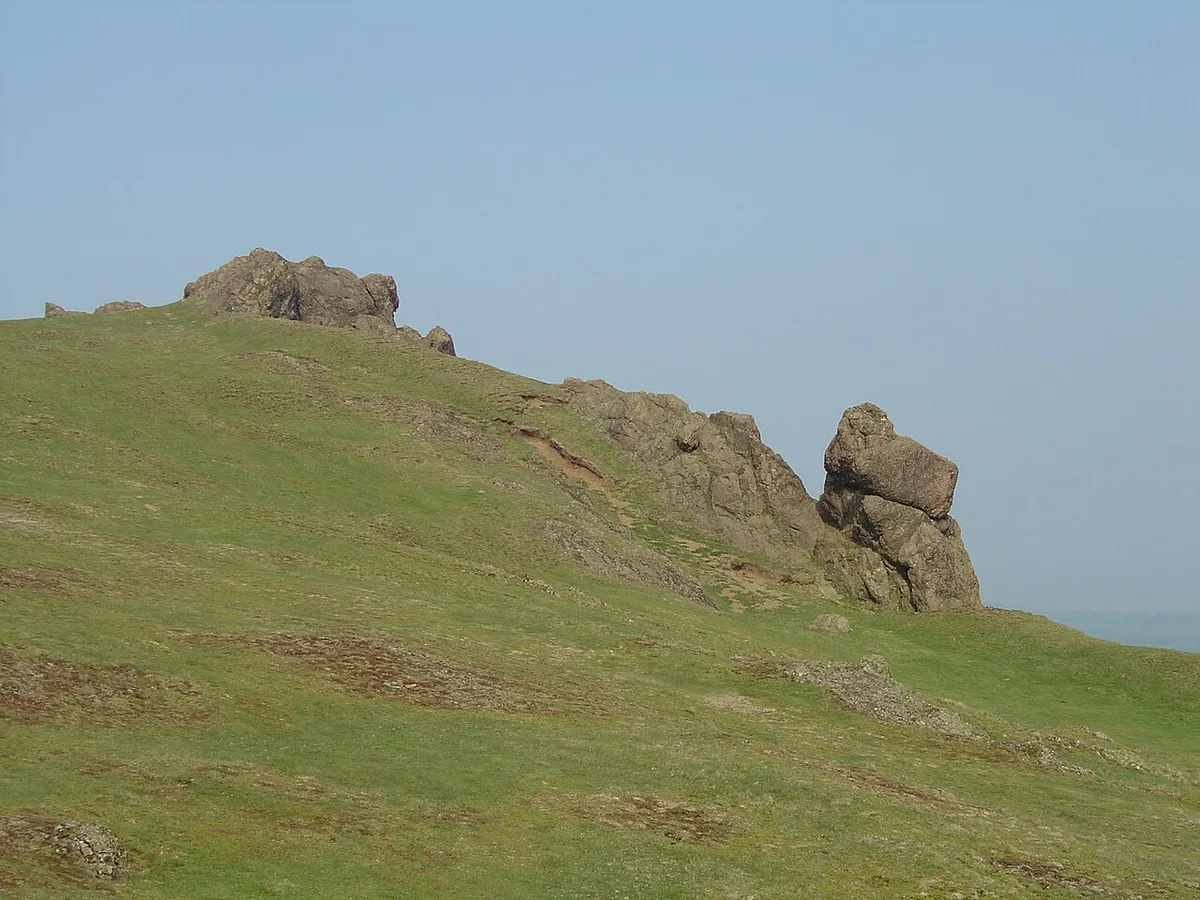
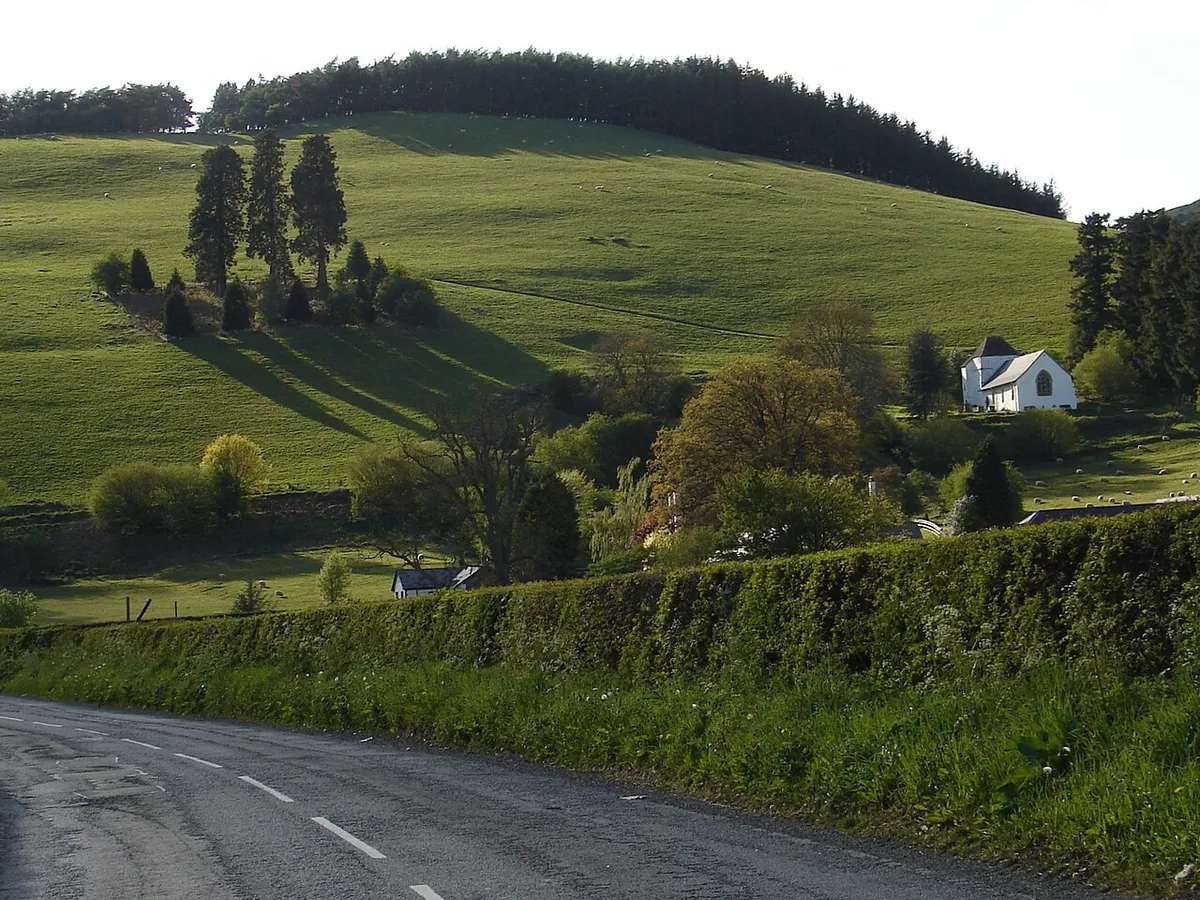
Pilleth (Bryn Glas), Powys Image: Ian Paterson (CC BY-SA 2.0) via Wikimedia Commons

Wales has a long and turbulent history shaped by invasions, rebellions and struggles for independence.

From Roman campaigns against Celtic tribes to the dramatic uprisings of medieval Welsh princes, the country's landscapes contain the stories of battles that changed the course of British history. Unlike traditional museums, many Welsh battlefields remain open countryside, allowing visitors to walk the same valleys, hills and routes once crossed by warriors centuries ago.

For campers, hikers and outdoor travellers, Wales' historic battlefields offer some of the most rewarding heritage experiences in Britain, combining dramatic scenery with fascinating stories of resistance and survival.

Battle of Bryn Glas, Wales

Image: Ian Paterson (CC BY-SA 2.0) via Wikimedia Commons

Battle of Bryn Glas

Pilleth, Powys

The Battle of Bryn Glas in 1402 was one of the greatest victories of Welsh rebel leader Owain Glyndŵr during his campaign to free Wales from English rule. The battle took place near the village of Pilleth in eastern Wales and saw Glyndŵr's forces defeat a much larger English army led by Sir Edmund Mortimer.

The victory strengthened Glyndŵr's reputation and encouraged further support for the Welsh rebellion. It became one of the defining moments of the Glyndŵr uprising, which represented the last major attempt to establish an independent Welsh state.

Visitors today can explore the peaceful countryside around Pilleth, where the battlefield remains largely rural. The nearby hills and walking routes provide a chance to experience the landscape that influenced medieval warfare.

Best for: Owain Glyndŵr history discovered on foot.
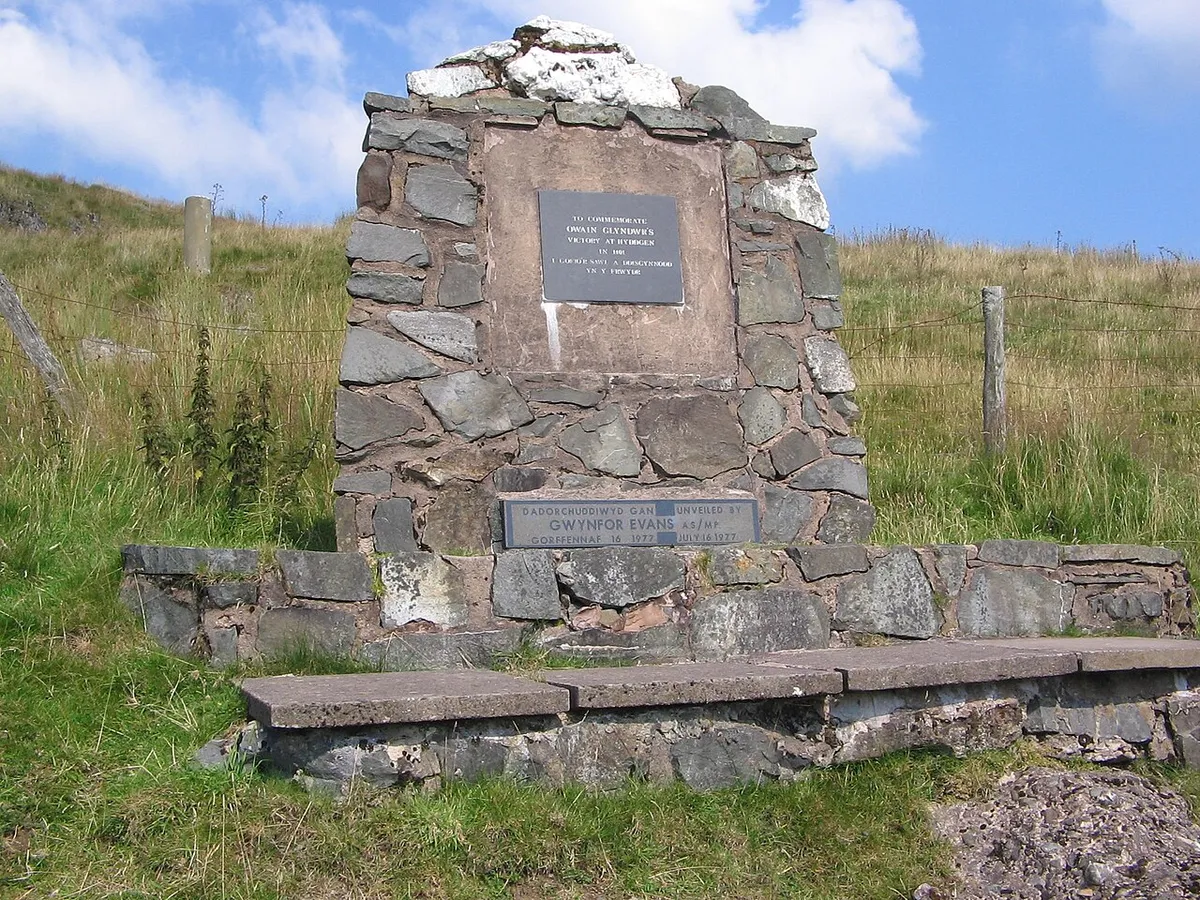
Battle of Mynydd Hyddgen, Wales

Image: Created by Lyn Léwis Dafis (en:User:Lyndafis (CC BY 2.5) via Wikimedia Commons

Battle of Mynydd Hyddgen

Ceredigion

The Battle of Mynydd Hyddgen was another important victory during Owain Glyndŵr's rebellion. Fought in 1401 in the remote Cambrian Mountains, it demonstrated how Welsh forces used knowledge of difficult terrain to defeat better-equipped English troops.

The battlefield's isolated mountain location highlights the importance of landscape in Welsh military history. Narrow valleys, high ground and difficult weather conditions often allowed smaller Welsh armies to challenge larger forces.

Today visitors can explore the wild countryside of the Cambrian Mountains, an area known for hiking, cycling and remote outdoor adventures.

Best for: Remote Cambrian Mountains hiking away from tourist routes.

Battle of Orewin Bridge, Wales

Image: Edmund of Hadenham (Public domain) via Wikimedia Commons

Battle of Orewin Bridge

Near Builth Wells, Powys

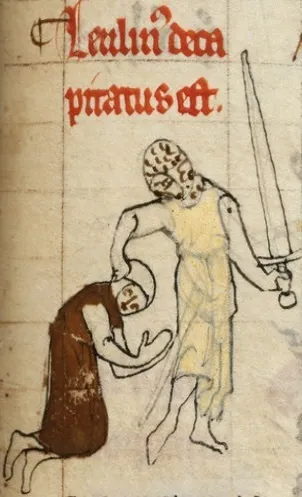
The Battle of Orewin Bridge in 1282 was one of the most significant events in Welsh history. It resulted in the death of Llywelyn ap Gruffudd, the last native Prince of Wales, and marked the end of independent medieval Welsh rule.

The battle took place during Edward I's final campaign against Wales. Llywelyn was killed while attempting to join Welsh forces, and his death changed the political future of the country forever.

Although little remains of the battlefield itself, visitors can explore the surrounding countryside near Builth Wells and learn about the dramatic events that ended centuries of Welsh independence.

Nearby: Builth Wells and the Mid Wales walking landscape.

Battle of Caer Caradoc, Wales

Image: Voice of Clam (Public domain) via Wikimedia Commons

Battle of Caer Caradoc

Shropshire / Welsh Border

The Battle of Caer Caradoc was fought around AD 50 between the Romans and a coalition of Celtic tribes led by Caratacus, one of Britain's most famous resistance leaders.

After years of fighting against Roman occupation, Caratacus made his final stand against the invading army. Although defeated, his resistance became legendary and he was later taken to Rome, where his courage reportedly impressed Emperor Claudius.

The hillfort landscape connected with Caer Caradoc demonstrates how Iron Age communities used natural defences against powerful enemies. Visitors interested in ancient history can combine the site with nearby hill walks.

Best for: Iron Age hillfort walks on the Welsh border.

Battle of Mona, Wales

Image: Lieutenant William Elliott, R.N. (fl.1784-1791) (Public domain) via Wikimedia Commons

Battle of Mona

Anglesey

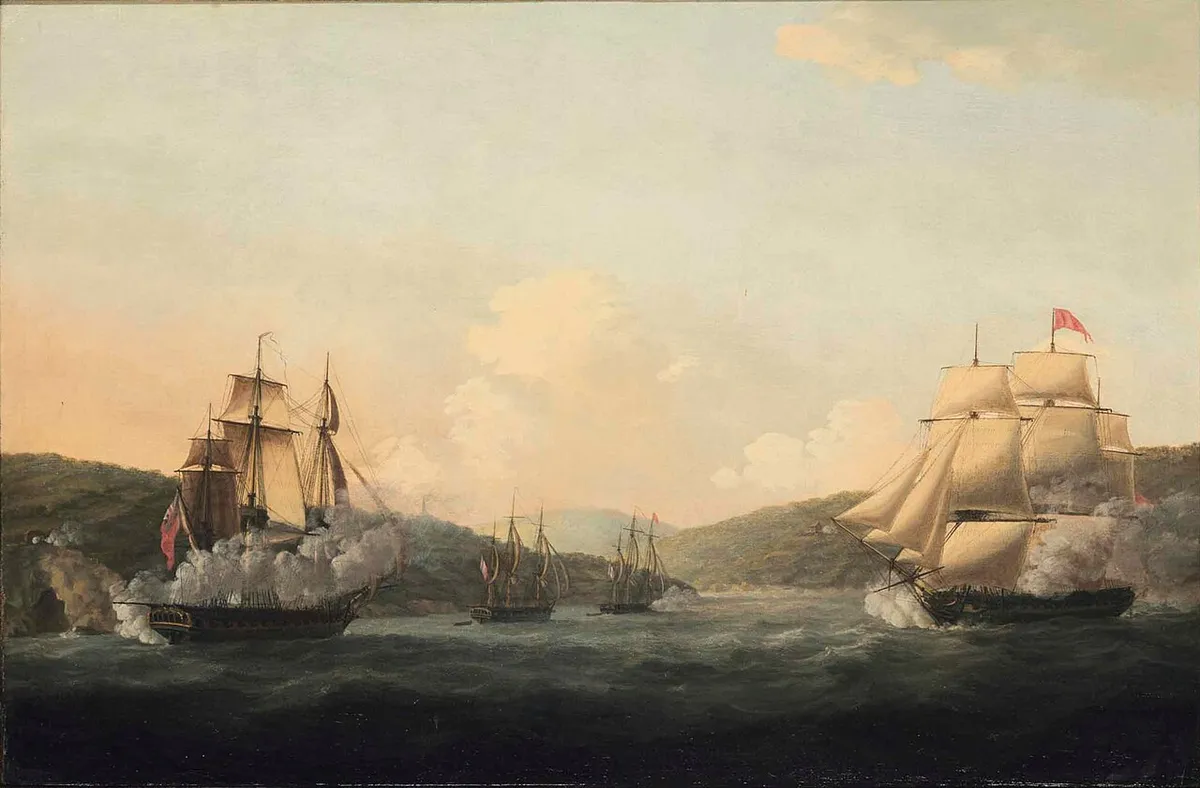
The Roman attack on the island of Mona (modern Anglesey) around AD 60 was one of the most famous episodes of Rome's conquest of Wales.

Roman forces under Suetonius Paulinus attacked the island, which was considered a centre of resistance and spiritual importance for the Celtic Druids. The campaign marked a major moment in Rome's attempt to control western Britain.

Although the exact battlefield location remains debated, Anglesey contains many Roman remains and ancient landscapes connected with this period. Visitors can combine Roman history with coastal walks, beaches and outdoor exploration across the island.

Best for: Druid history combined with Anglesey coastal walks.

Battle of Camlan, Wales

Image: William Hatherell (Public domain) via Wikimedia Commons

Battle of Camlan

Traditional Site, Wales

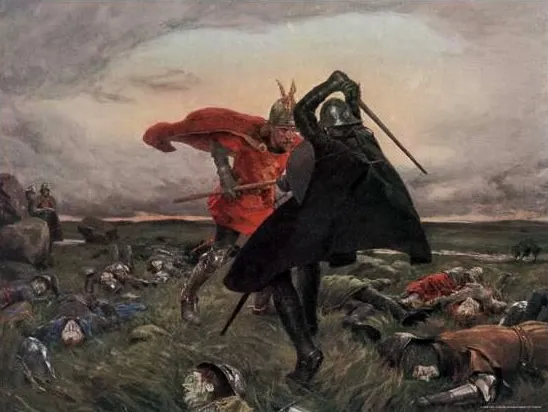
The Battle of Camlan is one of Wales' most famous legendary battles, associated with the final conflict of King Arthur and his enemies.

While historians debate whether Arthur was a real figure and where the battle occurred, the story has become deeply connected with Welsh mythology and medieval literature.

The battlefield tradition reflects the importance of storytelling in Welsh heritage, where landscapes often preserve legends as well as documented history. Visitors can explore areas linked with Arthurian traditions while enjoying some of Wales' most dramatic countryside.

Best for: Arthurian legend and dramatic Welsh countryside.

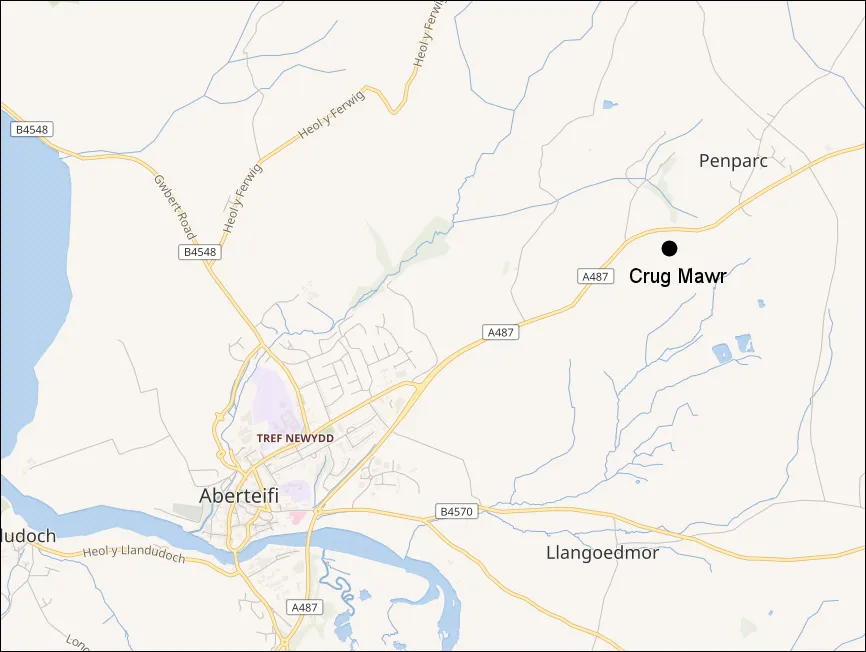
Battle of Crug Mawr, Wales

Image: Llywelyn2000 (CC BY-SA 4.0) via Wikimedia Commons

Battle of Crug Mawr

Near Cardigan, Ceredigion

The Battle of Crug Mawr in 1136 was a major Welsh victory against Norman forces during the Great Revolt of the Welsh against Norman expansion.

Led by Welsh princes including Owain Gwynedd, the Welsh army defeated a Norman force near Cardigan, helping restore Welsh control over parts of western Wales.

The battlefield landscape remains rural and offers views across the surrounding countryside. Today visitors can combine the site with coastal adventures, walking routes and exploration of nearby historic towns.

Nearby: Cardigan and the Ceredigion coast.

Battle of Llandeilo Fawr

Carmarthenshire

The Battle of Llandeilo Fawr in 1282 was another important clash during Edward I's conquest of Wales. Welsh forces defeated an English army in the early stages of the campaign, showing that resistance remained strong.

The area around Llandeilo has a rich medieval history, with nearby castles and religious sites adding to its appeal.

Visitors can explore the town, surrounding countryside and walking routes while discovering the story of medieval Welsh warfare.

Nearby: Llandeilo town and Carreg Cennen Castle.

Battle of Cwm Gwaun

Pembrokeshire

The Battle of Cwm Gwaun is traditionally associated with medieval Welsh resistance and local conflicts in southwest Wales.

Although less famous than battles involving major princes, it represents the countless smaller clashes that shaped Welsh history.

The surrounding landscape of Pembrokeshire makes it an excellent destination for walkers who want to combine heritage with countryside exploration. Nearby coastal paths, villages and outdoor attractions make this region ideal for slow travel.

Best for: Slow travel through the Pembrokeshire countryside.

Battle of Montgomery, Wales

Image: Unknown authorUnknown author (Public domain) via Wikimedia Commons

Battle of Montgomery

Powys

The Battle of Montgomery in 1228 was fought between Welsh forces and the English crown during ongoing struggles for control of the Welsh borderlands.

The conflict reflects the importance of Montgomery as a strategic location between Wales and England.

Visitors today can explore the castle ruins, surrounding countryside and walking routes through one of Wales' most historically contested regions.

Nearby: Montgomery Castle and the Welsh borderlands.

Find campsites near Wales' historic battlefields and explore the landscapes where history was made.

Find campsites in Wales →

Looking for more? See more of Wales' historic sites →