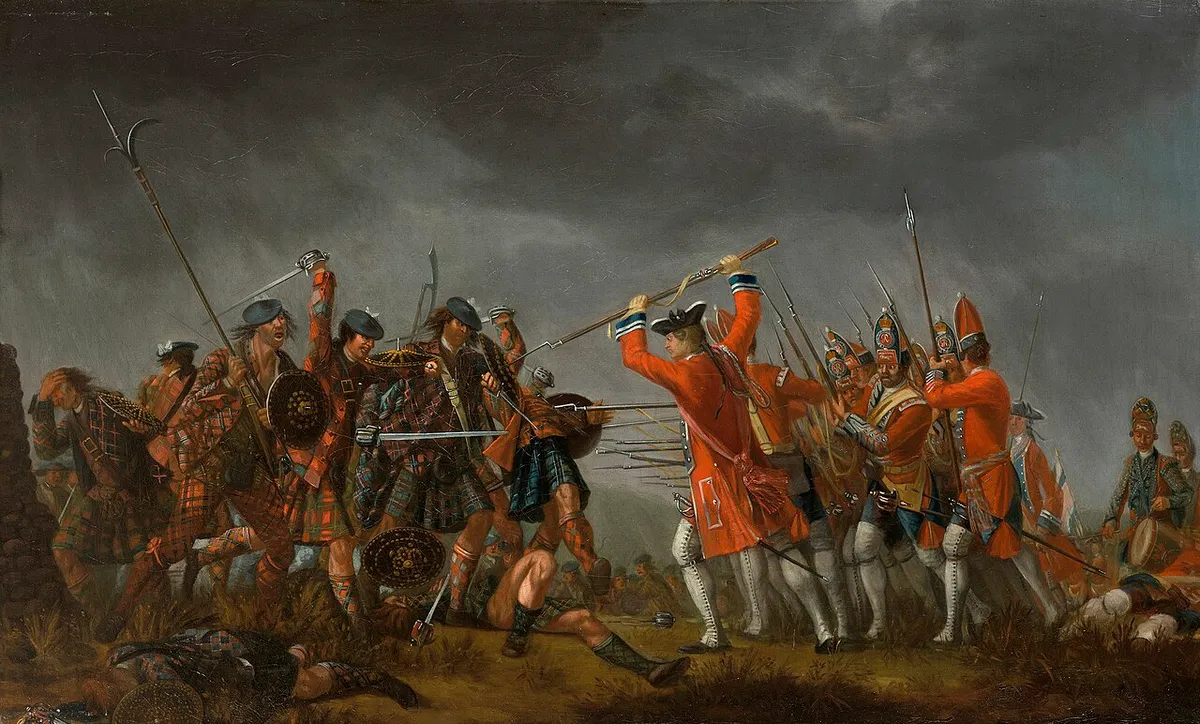
Image: David Morier (Public domain) via Wikimedia Commons
The Last Battle on British Soil
On a windswept moor outside Inverness lies the site of one of Scotland's most defining moments.
On 16 April 1746, the Jacobite army led by Charles Edward Stuart faced government forces under the Duke of Cumberland. The battle lasted less than an hour but changed the future of Scotland forever, ending the Jacobite attempt to restore the Stuart monarchy.
Today, visitors can walk across the battlefield, see the clan memorial stones and explore the visitor centre, which tells the personal stories of the soldiers who fought and died here.
The landscape remains remarkably unchanged, allowing visitors to understand the challenges faced by the Jacobite army and experience one of Scotland's most atmospheric historic sites.
Nearby adventures: Inverness, Loch Ness, Great Glen Way, Highland camping.
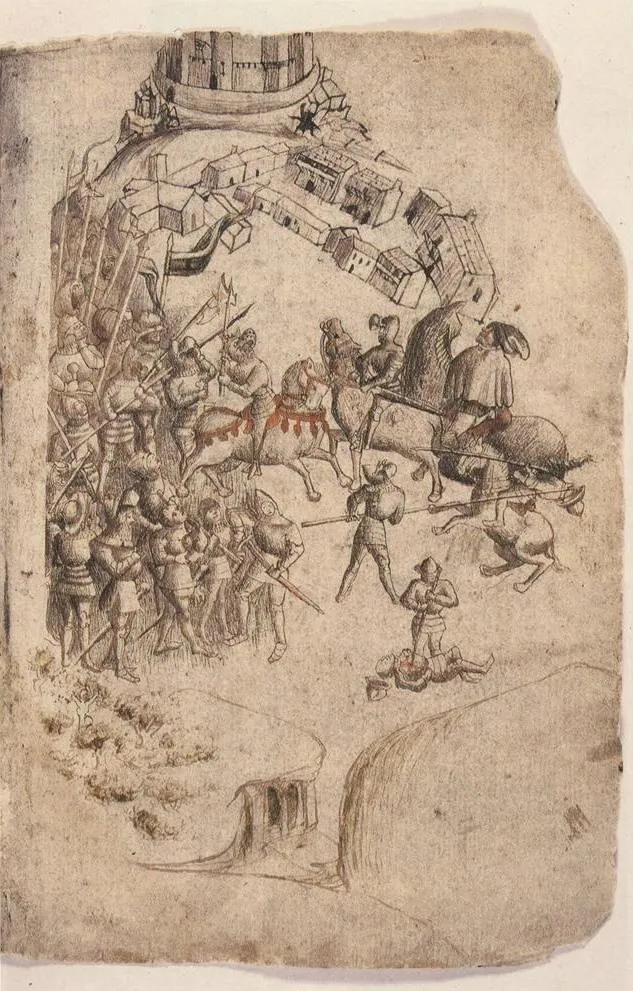
Explore Battle of Culloden → Image: Unknown authorUnknown author (Public domain) via Wikimedia Commons
Robert the Bruce's Greatest Victory
Few battles are as important in Scottish history as Bannockburn.
In 1314, Robert the Bruce's smaller Scottish army defeated the much larger English forces of King Edward II, securing a major victory during the Wars of Scottish Independence.
The battlefield near Stirling has been transformed into an immersive visitor experience where visitors can learn about medieval warfare, the personalities behind the conflict and the tactics that helped Bruce achieve victory.
The surrounding area is also rich in history, with Stirling Castle and the Wallace Monument nearby.
Perfect for: History enthusiasts, families and walking breaks.
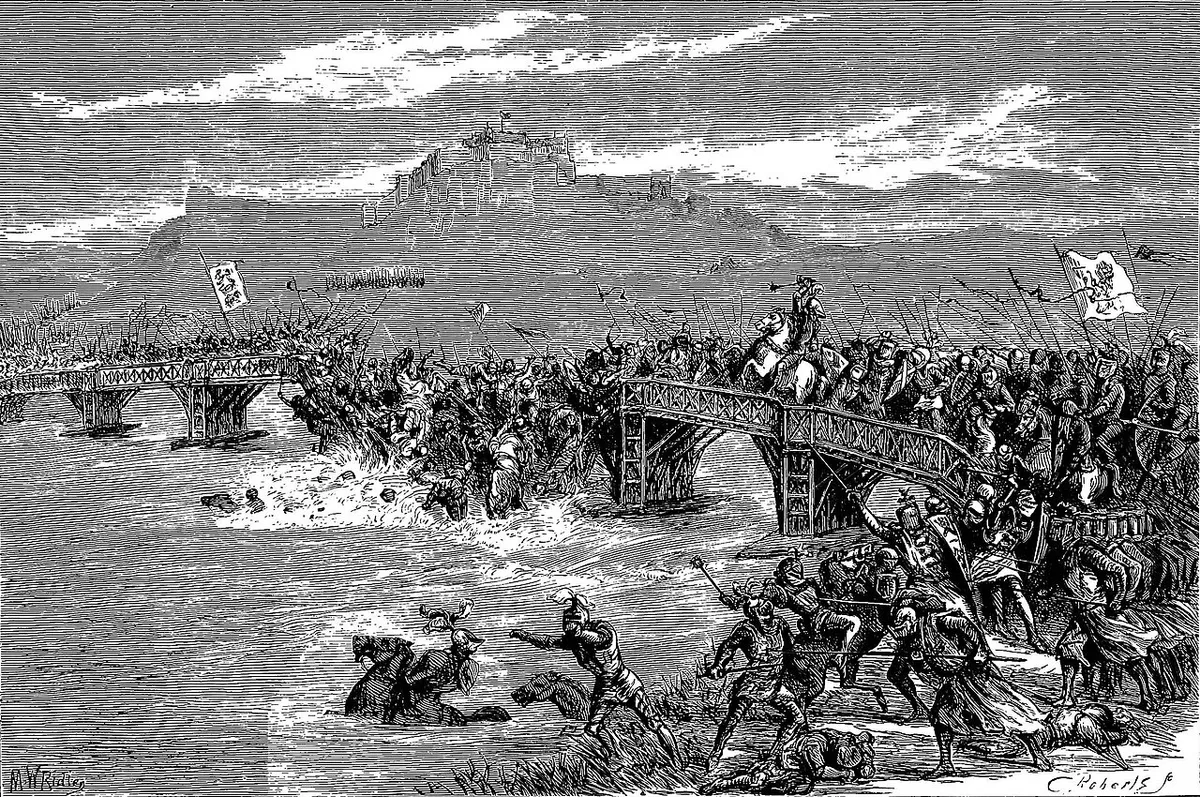
Explore Battle of Bannockburn → Image: Matthew White Ridley (Public domain) via Wikimedia Commons
Battle of Stirling Bridge
Wallace's Famous Victory
In 1297, William Wallace and Andrew Moray achieved one of Scotland's most famous military victories.
The Scottish army defeated a much larger English force by using the narrow crossing at Stirling Bridge to their advantage.
Although the original battlefield has changed over the centuries, the surrounding landscape still offers visitors a chance to explore one of the most important moments of Scotland's fight for independence.
Nearby, the towering Wallace Monument provides incredible views across the historic landscape.
Nearby: Stirling Castle, Wallace Monument, Bannockburn Battlefield.
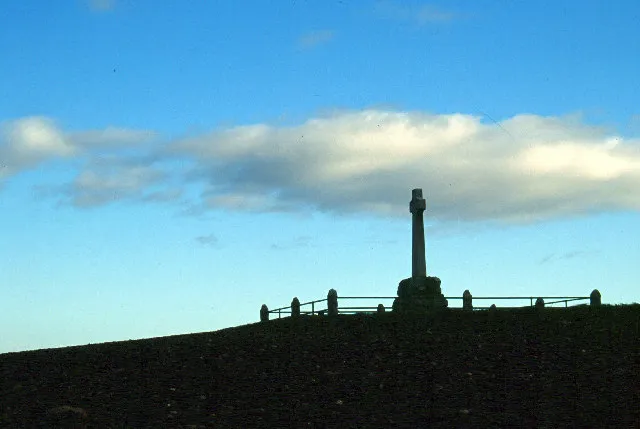
Image: Stephen McKay (CC BY-SA 2.0) via Wikimedia Commons
Battle of Flodden
Scotland's Tragic Defeat
Just across the modern border in Northumberland, Flodden remains one of Scotland's most devastating defeats.
In 1513, King James IV of Scotland invaded England in support of his French allies but suffered a catastrophic defeat against the English army.
Thousands of Scots died, including much of Scotland's nobility and the king himself.
Today, the peaceful countryside hides the scale of the tragedy, with walking routes and monuments helping visitors discover the story behind one of Britain's most significant medieval battles.
Image: James Grant (Public domain) via Wikimedia Commons
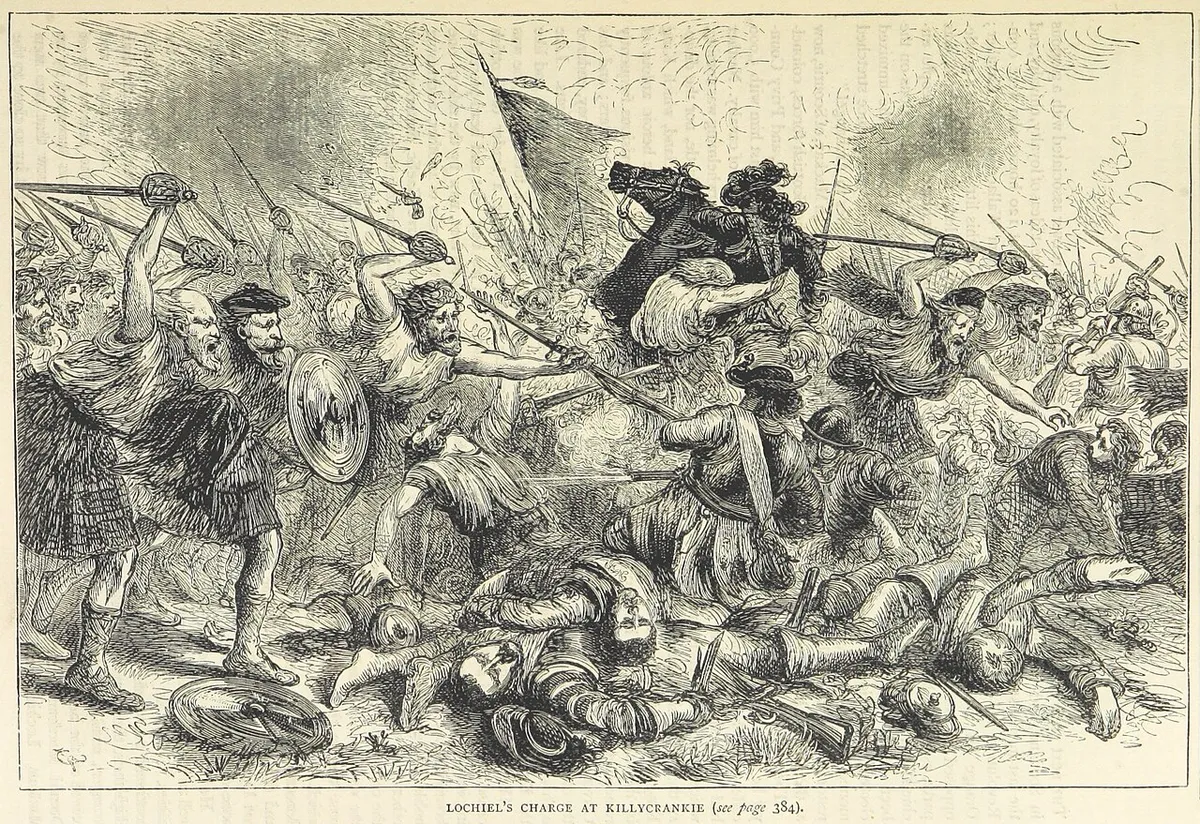
Battle of Killiecrankie
Highlanders in a Dramatic Landscape
Set among the spectacular scenery of Highland Perthshire, Killiecrankie combines dramatic landscapes with fascinating history.
In 1689, Jacobite forces supporting James VII defeated government troops in a battle fought during the first Jacobite uprising.
Today, visitors can explore walking trails through the famous Killiecrankie Pass, where steep hills and forests create one of Scotland's most beautiful historic landscapes.
Perfect for: Walkers, photographers and Highland explorers.
Image: Andrew Wood (CC BY-SA 2.0) via Wikimedia Commons
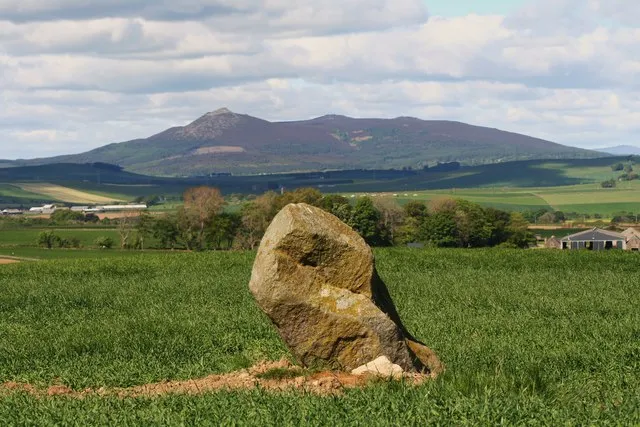
Battle of Harlaw
Scotland's Forgotten Medieval Battle
Fought near Inverurie in Aberdeenshire in 1411, the Battle of Harlaw was one of medieval Scotland's bloodiest conflicts.
The battle brought together Highland and Lowland forces in a struggle over control and influence in northern Scotland.
Although less famous than Bannockburn or Culloden, Harlaw offers visitors a chance to discover a quieter side of Scottish history away from the main tourist routes.