The Netherlands' Most Iconic Landmarks

From canal cities and royal palaces to engineering marvels and Dutch masterpieces, discover the landmarks that shaped the Netherlands.

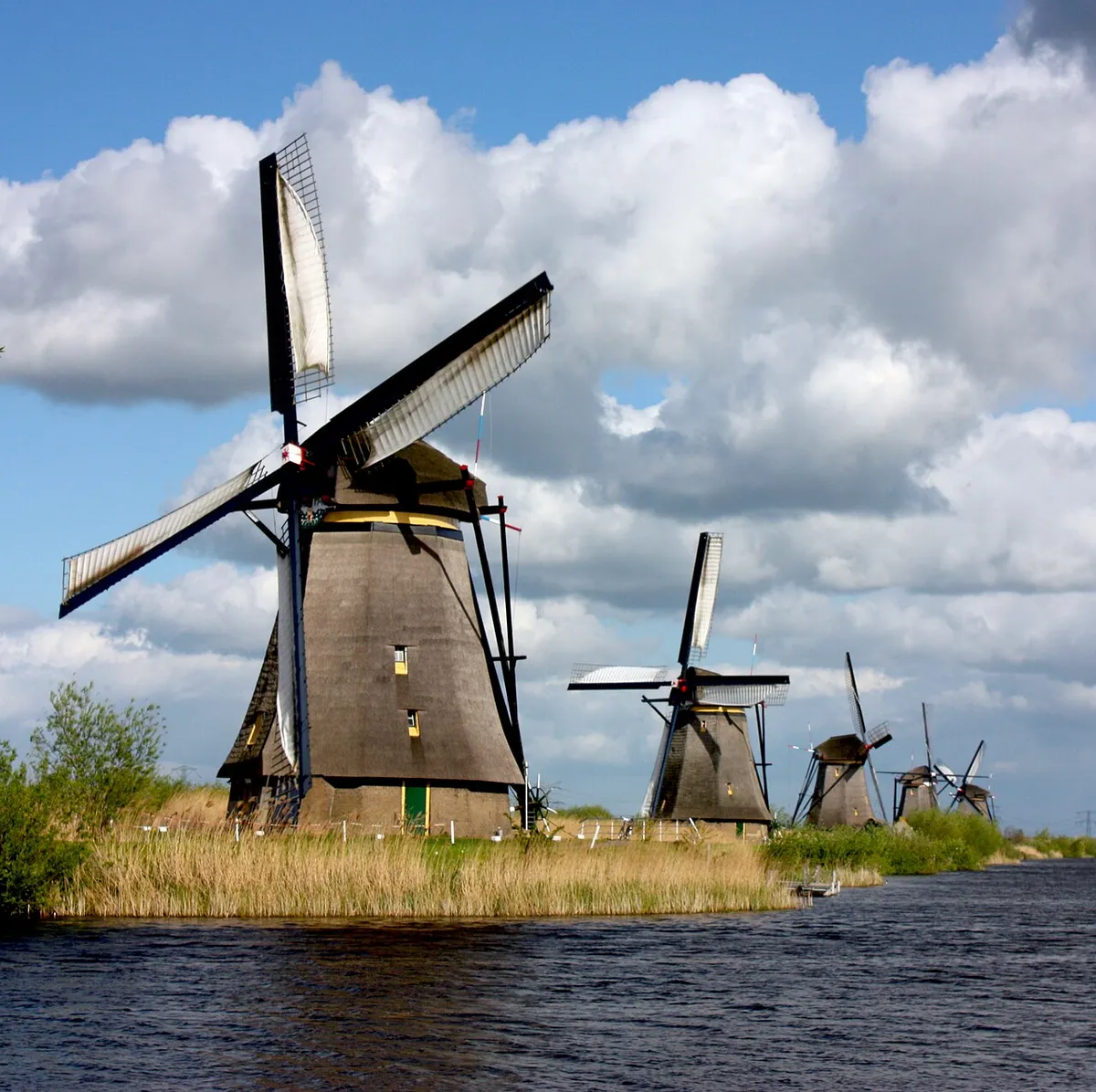
Kinderdijk Windmills, South Holland Image: Willard84 (CC BY 3.0) via Wikimedia Commons

The Netherlands is a country where history is woven into almost every landscape. From medieval trading towns and centuries-old canals to royal palaces, engineering marvels and UNESCO World Heritage Sites, Dutch landmarks tell the story of a nation shaped by water, trade and innovation.

Beyond the famous streets of Amsterdam, the Netherlands offers countless historic places waiting to be explored. Many sit among beautiful countryside, coastal areas and cycling routes.

Whether you are exploring by bike, staying at a nearby campsite or following historic routes, these are the places that reveal the true character of the Netherlands.

Kinderdijk Windmills, the Netherlands

Image: Willard84 (CC BY 3.0) via Wikimedia Commons

Kinderdijk Windmills

South Holland

Kinderdijk is perhaps the most recognisable symbol of the Netherlands. Located near Rotterdam, this UNESCO World Heritage Site contains 19 historic windmills built in the 18th century to manage water levels in the low-lying polder landscape.

The windmills represent centuries of Dutch innovation in water management. For generations, they helped pump water away from reclaimed land, allowing communities to live and farm below sea level.

Visitors can walk and cycle along the waterways, visit working windmills and learn how Dutch engineers transformed a country shaped by water.

Best for: 19 UNESCO windmills in a classic polder landscape.
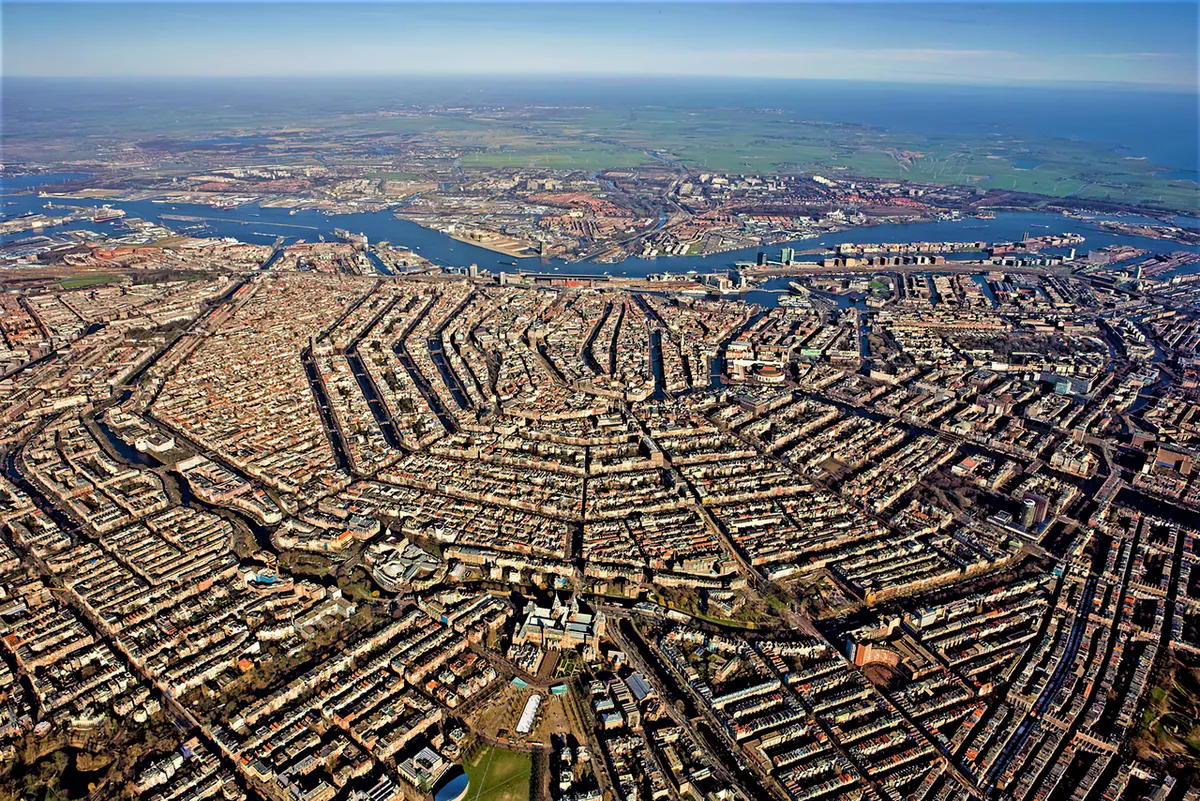
Amsterdam Canal Ring, the Netherlands

Image: Andrés Barrios (CC BY-SA 4.0) via Wikimedia Commons

Amsterdam Canal Ring

North Holland

The Amsterdam Canal Ring is one of Europe's greatest historic city landscapes and a UNESCO World Heritage Site. Created during the Dutch Golden Age in the 17th century, the canals transformed Amsterdam into one of the world's leading trading centres.

The elegant canal houses, bridges and waterways reflect the wealth created by Dutch merchants during a period when ships from Amsterdam travelled across the globe.

Visitors can explore the canals by boat, walk historic streets such as the Jordaan and discover museums, churches and hidden courtyards.

Best for: Golden Age canals best explored slowly on foot.

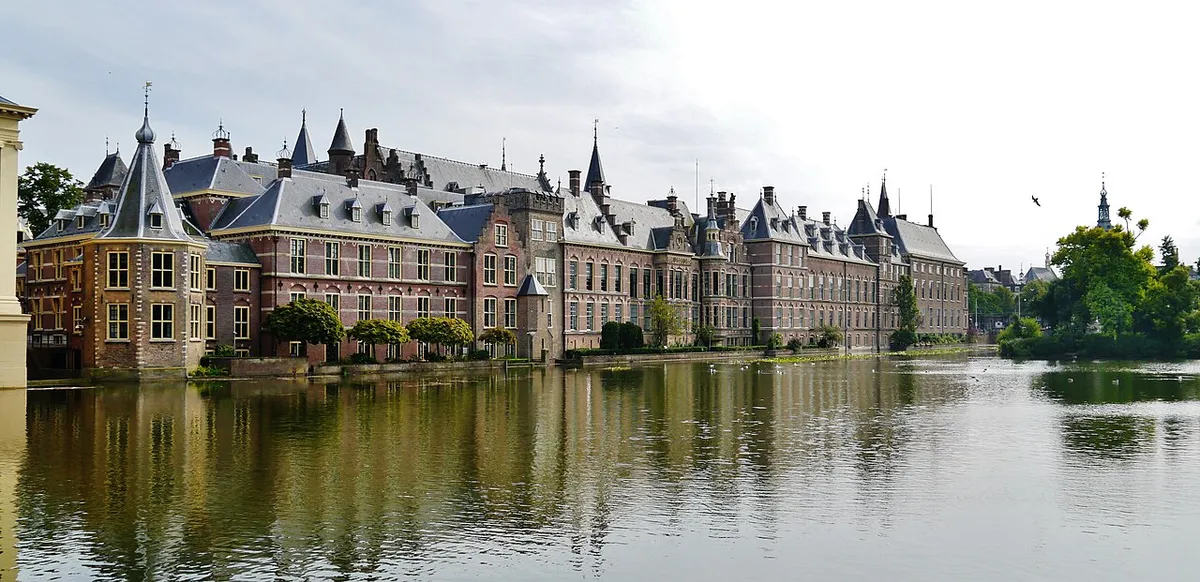
The Hague's Binnenhof, the Netherlands

Image: Zairon (CC BY-SA 4.0) via Wikimedia Commons

The Hague's Binnenhof

South Holland

The Binnenhof is one of the oldest centres of government in the world still in use. Located in The Hague, this medieval complex has been the political heart of the Netherlands for centuries.

Originally built as a castle residence for the Counts of Holland, it developed into the centre of Dutch government.

Visitors can admire the medieval architecture, including the famous Ridderzaal (Hall of Knights). The surrounding city combines history with parks, beaches and cycling routes.

Best for: One of the world's oldest working parliaments.

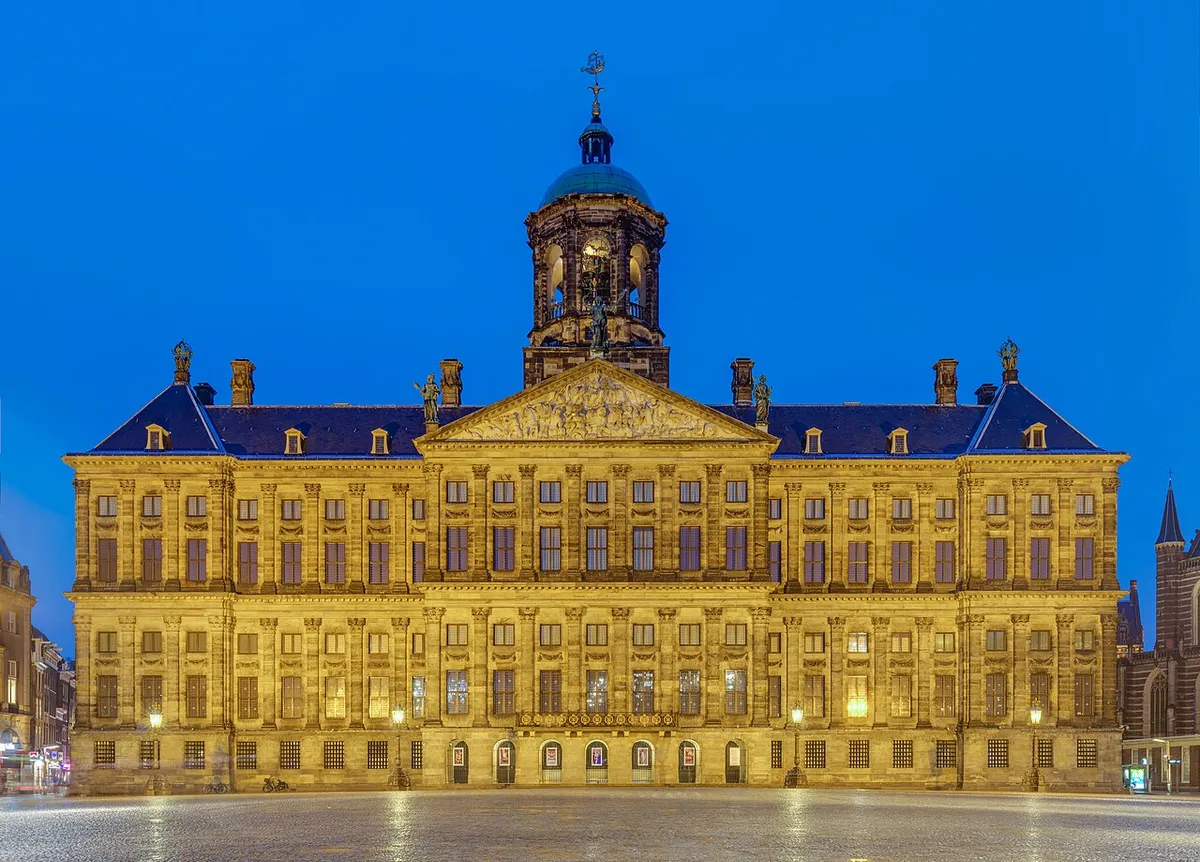
Royal Palace Amsterdam, the Netherlands

Image: Diego Delso (CC BY-SA 4.0) via Wikimedia Commons

Royal Palace Amsterdam

North Holland

The Royal Palace Amsterdam is one of the Netherlands' most impressive historic buildings. Originally constructed in the 17th century as Amsterdam's city hall, it later became a royal residence under King Louis Napoleon.

Built during the Dutch Golden Age, the enormous sandstone building reflected Amsterdam's wealth and global importance. Its grand halls, sculptures and artwork showcase the confidence of a city at the height of its power.

Visitors can explore the magnificent interior, including the Citizens' Hall with its famous marble floors.

Best for: Golden Age grandeur on Dam Square.

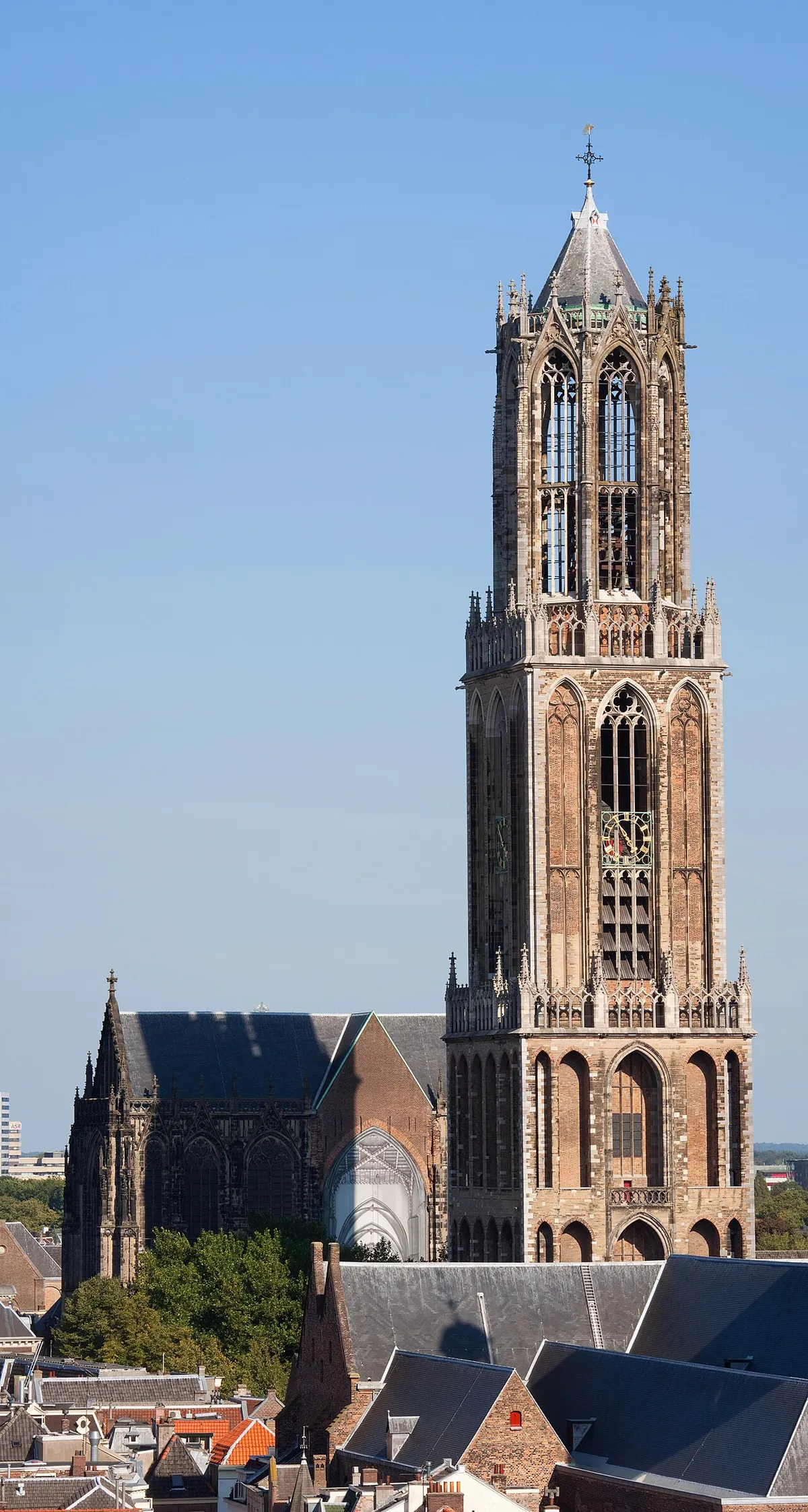
Dom Tower of Utrecht, the Netherlands

Image: Massimo Catarinella (CC BY 3.0) via Wikimedia Commons

Dom Tower of Utrecht

Utrecht

Standing above the historic city centre, the Dom Tower is the tallest church tower in the Netherlands and one of the country's most recognisable landmarks.

Built during the Middle Ages as part of Utrecht Cathedral, the tower represented the city's religious and political importance. A storm destroyed part of the cathedral nave in 1674, leaving the tower separated from the remaining church.

Visitors can climb the tower's hundreds of steps for incredible views and explore the medieval streets surrounding it.

Best for: The tallest church tower in the Netherlands.

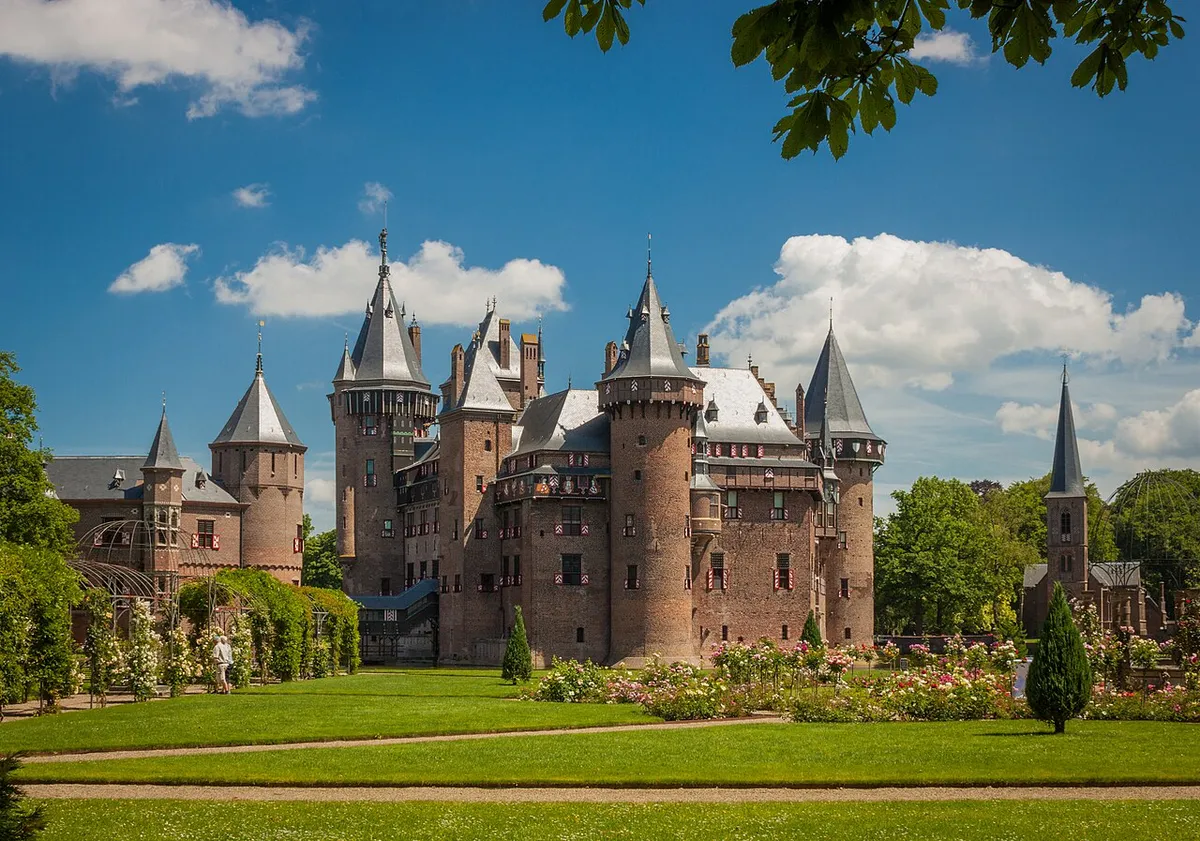
Castle De Haar, the Netherlands

Image: Rafa.rivero (CC BY-SA 4.0) via Wikimedia Commons

Castle De Haar

Utrecht

Castle De Haar is the Netherlands' ultimate fairytale landmark. With its towers, moat, gardens and dramatic appearance, it looks like something from a medieval storybook.

Although its origins date back to the Middle Ages, the castle was extensively rebuilt in the 19th century into a romantic neo-Gothic masterpiece.

Visitors can tour the luxurious rooms, explore landscaped gardens and walk through the surrounding estate — especially popular with travellers combining history, cycling and outdoor exploration.

Best for: The country's ultimate fairytale castle.

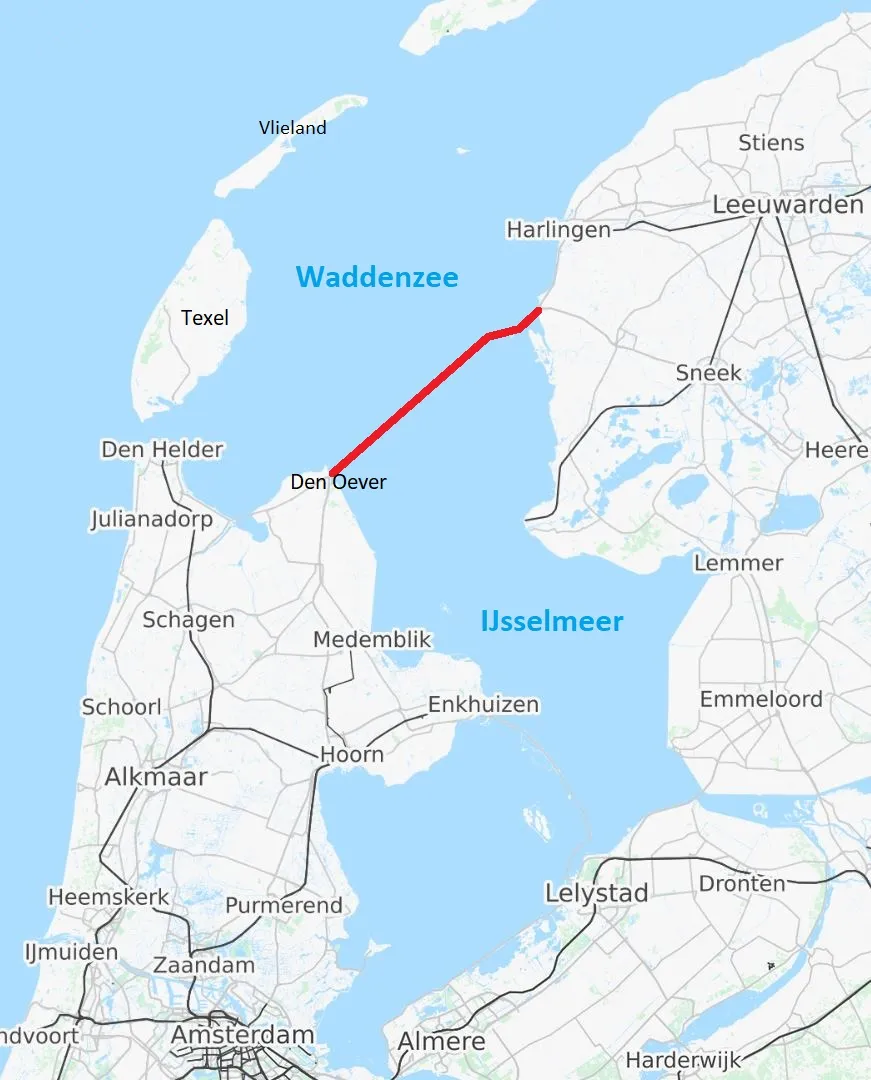
Afsluitdijk, the Netherlands

Image: Condor3d (CC BY 4.0) via Wikimedia Commons

Afsluitdijk

Friesland / North Holland

The Afsluitdijk is one of the Netherlands' greatest engineering achievements. Completed in 1932, this enormous barrier transformed the Zuiderzee into the freshwater IJsselmeer.

The project changed Dutch geography forever, protecting communities from flooding and creating new opportunities for agriculture and development.

Visitors can cycle or drive across the 32-kilometre structure while enjoying views over the North Sea and IJsselmeer.

Best for: Cycling a 32km barrier between two seas.

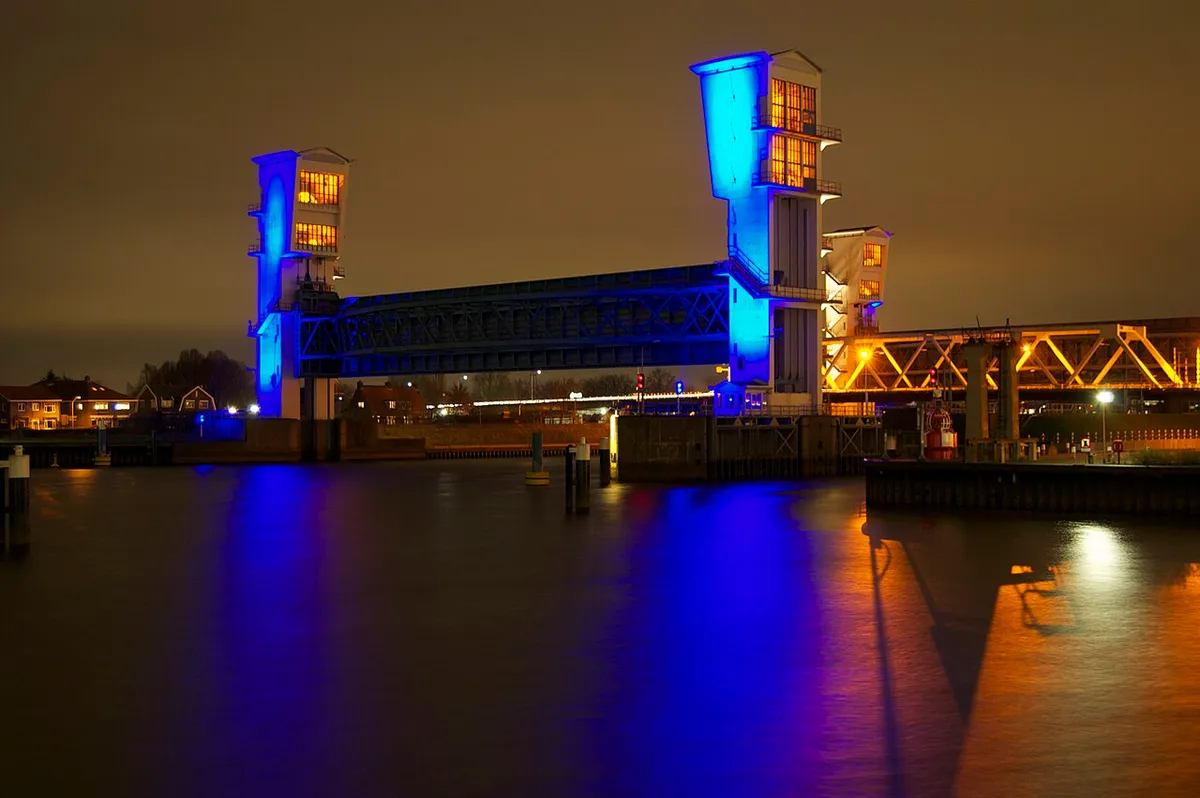
Delta Works, the Netherlands

Image: Wouter Engler (CC BY-SA 4.0) via Wikimedia Commons

Delta Works

Zeeland

The Delta Works are one of the world's most ambitious water management projects. Built after the devastating North Sea flood of 1953, the system of dams, barriers and storm surge defences protects the southwestern Netherlands.

The project represents Dutch determination to live safely with water and is considered one of the great engineering achievements of the modern age.

Visitors can explore structures such as the Oosterscheldekering, visit museums and enjoy Zeeland's beaches, islands and cycling routes.

Best for: World-famous storm-surge barriers and Zeeland beaches.

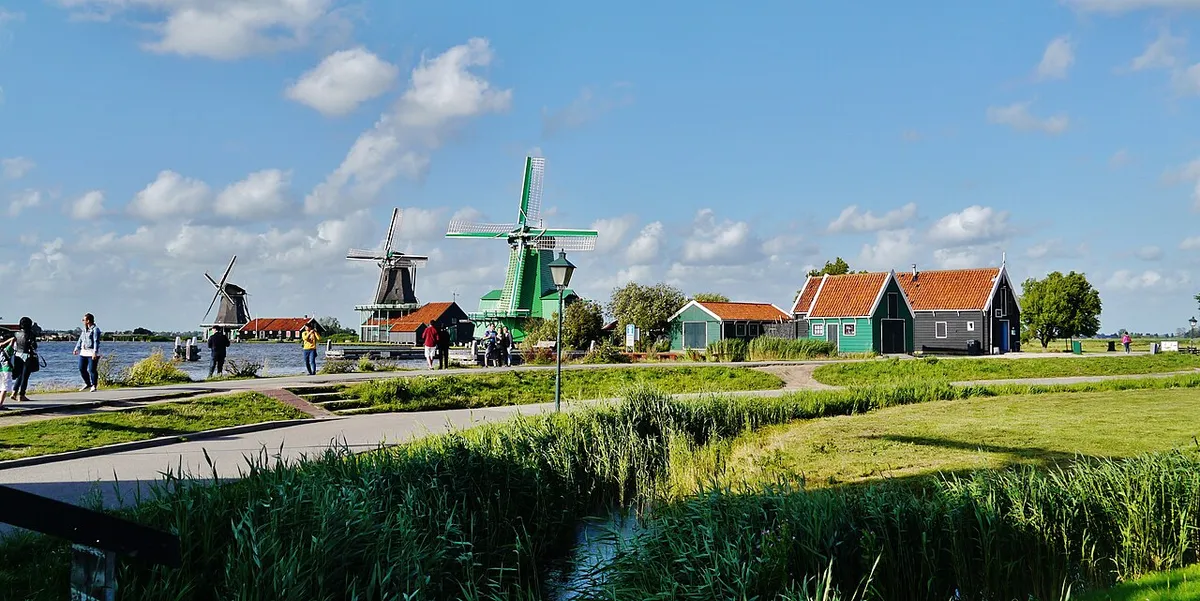
Zaanse Schans, the Netherlands

Image: Zairon (CC BY-SA 4.0) via Wikimedia Commons

Zaanse Schans

North Holland

Zaanse Schans is one of the Netherlands' best-known heritage landscapes, preserving traditional windmills, wooden houses and historic workshops.

Created as an open-air museum village, it showcases the industrial history of the Zaan region, where wind power drove industries such as timber processing, oil production and manufacturing.

Visitors can enter working windmills, explore craft workshops and walk beside historic waterways.

Best for: A living open-air museum of Dutch industry.

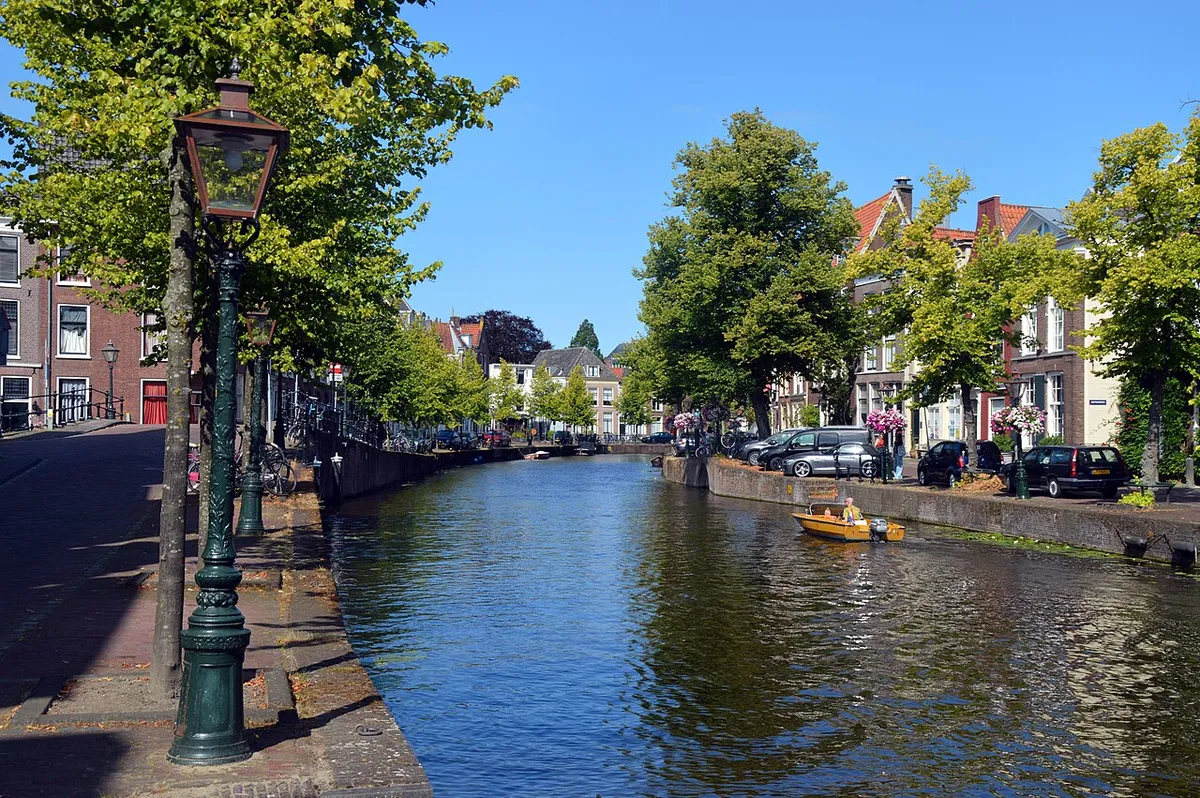
Leiden Historic Centre, the Netherlands

Image: Roger Veringmeier (CC BY 4.0) via Wikimedia Commons

Leiden Historic Centre

South Holland

Leiden is one of the Netherlands' most historic cities, famous for its university, canals and connection with Dutch independence.

The city played an important role during the Dutch Revolt, surviving a major Spanish siege in 1574. It later became a centre of science, culture and learning.

Visitors can explore medieval streets, museums, historic churches and canals. Leiden's compact layout makes it ideal for walking and cycling exploration.

Best for: A canal-laced university city of siege history.

Find campsites near the Netherlands' most iconic historic landmarks and start planning your Dutch heritage adventure with GoCastra.

Find campsites in the Netherlands →

Looking for more? See more of the Netherlands' historic sites →