Few countries in the world have shaped human history as profoundly as Italy. From the rise of the Roman Empire and the birth of Christianity to the artistic revolution of the Renaissance, Italy's landscapes are filled with places where the past remains visible.
Beyond the famous cities, Italy's historic landmarks are scattered among mountains, coastlines, villages and countryside. Ancient roads, castles, ruins and archaeological sites reveal stories of emperors, artists, explorers and ordinary people who helped shape civilisation.
For outdoor travellers, these landmarks offer much more than sightseeing. Many can be combined with walking routes, cycling adventures, nearby campsites and slow travel experiences that reveal Italy beyond its busiest tourist destinations.
Image: FeaturedPics (CC BY-SA 4.0) via Wikimedia Commons
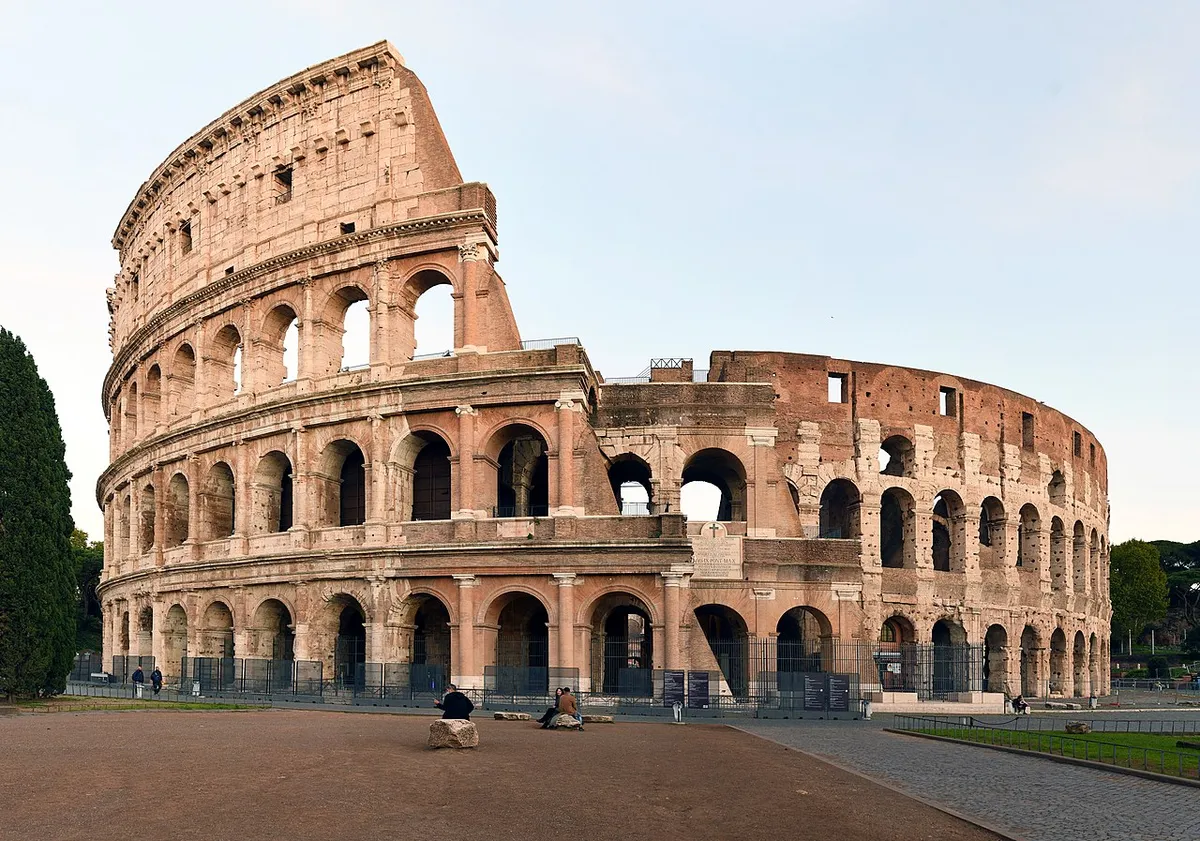
The Colosseum
Rome, Lazio
The Colosseum is one of the most recognisable landmarks on Earth and a symbol of the power of ancient Rome. Completed around 80 AD under Emperor Titus, this enormous amphitheatre hosted gladiatorial contests, public spectacles and events watched by tens of thousands of Roman citizens.
The building demonstrates the incredible engineering skills of the Roman Empire, with its complex underground chambers, seating systems and architectural design influencing stadiums for centuries.
Visitors can explore the arena floor, underground areas and upper levels. The Colosseum is also part of a wider historic landscape, with nearby Roman roads, forums and ancient ruins making Rome one of the world's greatest walking destinations.
Best for: The greatest icon of ancient Rome.
Image: Carsten Steger (CC BY-SA 4.0) via Wikimedia Commons
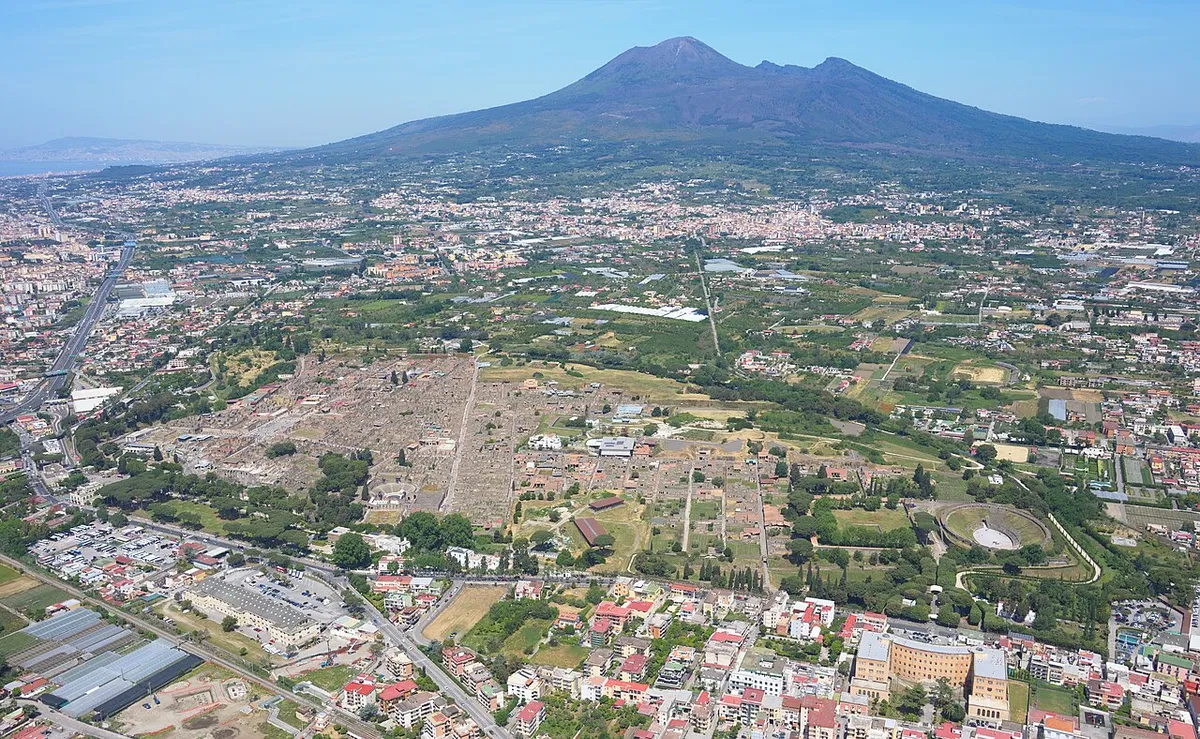
Pompeii
Campania
Frozen in time by the eruption of Mount Vesuvius in 79 AD, Pompeii is one of the most extraordinary archaeological sites in the world.
The ancient Roman city provides an unparalleled glimpse into everyday life almost two thousand years ago. Visitors can walk through streets, homes, temples, theatres and public buildings preserved beneath volcanic ash. Ancient shops, gardens and houses reveal how ordinary Romans lived.
Outdoor travellers can combine Pompeii with hiking Mount Vesuvius, exploring the Amalfi Coast and staying at campsites around Campania.
Best for: A Roman city frozen in time beneath Vesuvius.
Image: Zolli (CC BY-SA 3.0) via Wikimedia Commons
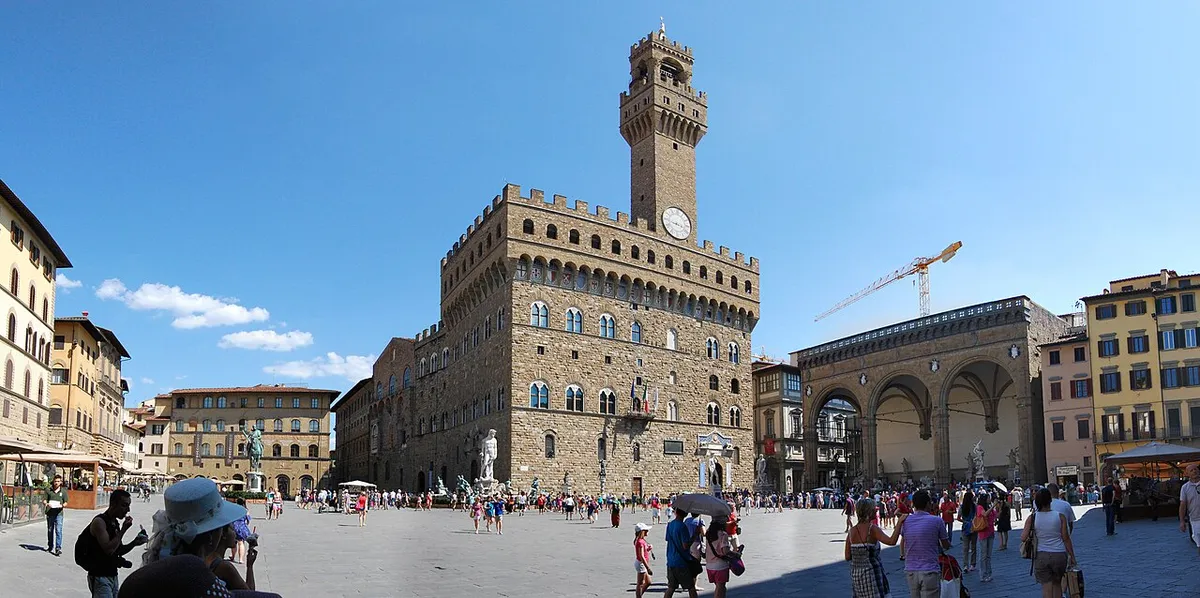
The Historic Centre of Florence
Tuscany
Florence is widely regarded as the birthplace of the Renaissance, a movement that transformed European art, science and culture.
The city's historic centre contains some of Italy's greatest treasures, including the Duomo, medieval streets, Renaissance palaces and masterpieces created by artists such as Michelangelo and Botticelli. The entire city represents a period when wealthy families, artists and thinkers changed the course of history.
Visitors can explore the city on foot before heading into the surrounding Tuscan countryside, where vineyards, cycling routes and walking trails create the perfect continuation of a cultural adventure.
Best for: The birthplace of the Renaissance.
Image: This Photo was taken by Wolfgang Moroder. Feel free to use my photos, but please mention me as the author and send me a message. This image is not in the public domain. Please respect the copyright protection. It may only be used according to the rules mentioned here. This specifically excludes use in social media, if applicable terms of the licenses listed here not appropriate. Please do not upload an updated image here without consultation with the Author. The author would like to make corrections only at his own source. This ensures that the changes are preserved.Please if you think that any changes should be required, please inform the author.Otherwise you can upload a new image with a new name. Please use one of the templates derivative or extract. (CC BY-SA 3.0) via Wikimedia Commons
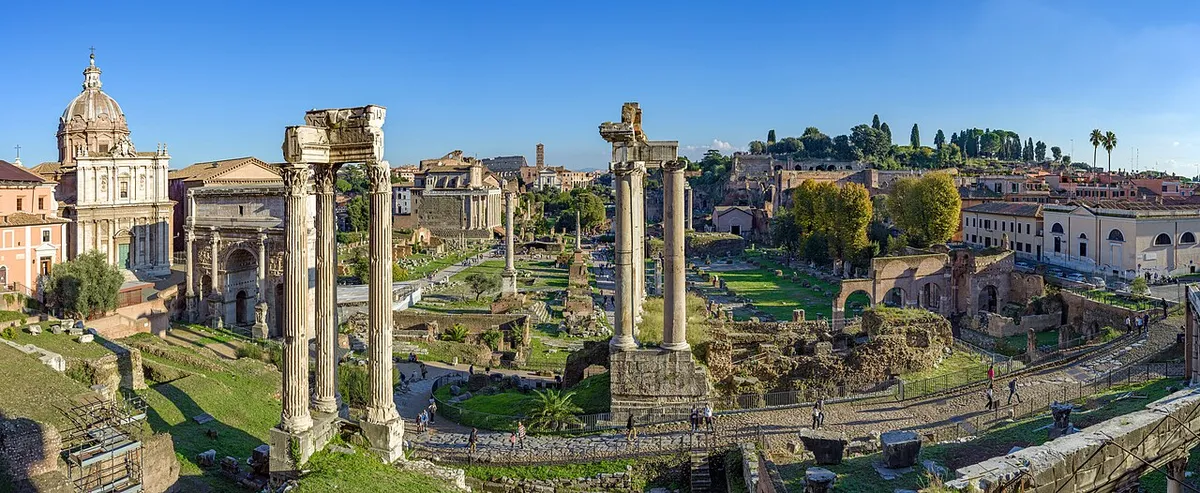
Roman Forum
Lazio
The Roman Forum was the political, religious and social heart of ancient Rome for over a thousand years.
Once filled with temples, government buildings and public spaces, the Forum was where Roman citizens debated laws, celebrated victories and witnessed important moments in the history of the empire.
Today visitors can walk among the ruins of temples, arches and ancient streets. Combined with the Colosseum and nearby archaeological sites, the Forum forms one of the world's greatest historic walking routes.
Best for: The political heart of ancient Rome.
Image: Diego Delso (CC BY-SA 4.0) via Wikimedia Commons
Herculaneum
Campania
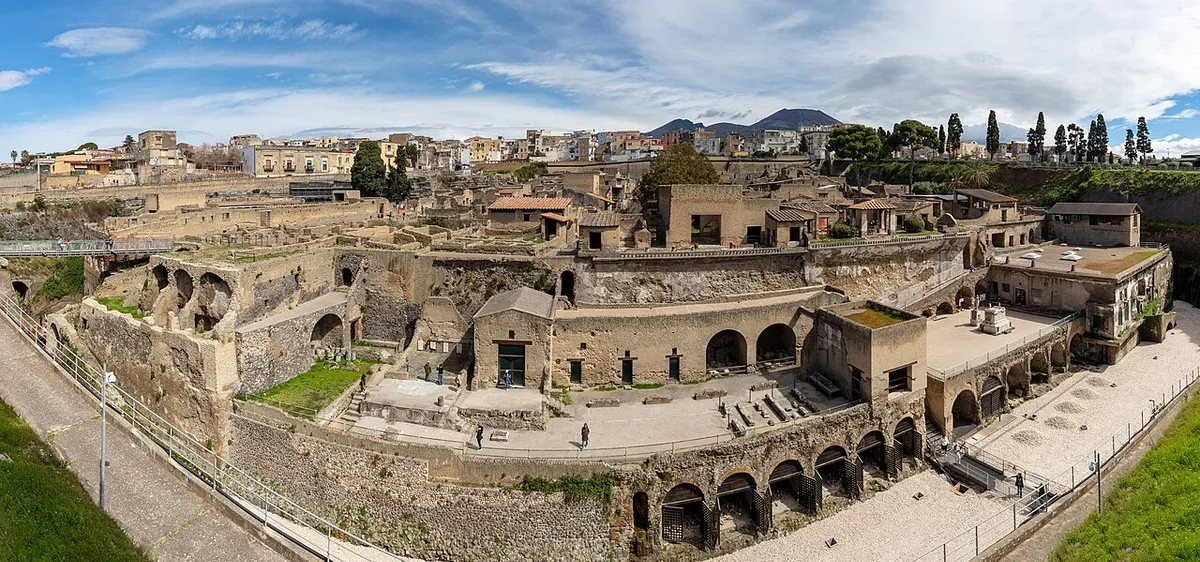
Often overshadowed by nearby Pompeii, Herculaneum is one of Italy's most impressive ancient sites.
Like Pompeii, it was destroyed by Mount Vesuvius in 79 AD, but the different nature of the volcanic eruption preserved buildings, wooden structures, mosaics and decorative details exceptionally well.
Visitors can explore remarkably intact Roman houses, baths and streets. The site works brilliantly for outdoor travellers exploring the Bay of Naples, with coastal walks, mountain trails and campsites nearby.
Best for: Exceptionally preserved Roman houses near Naples.
Image: DanielMichaelPerry (CC0) via Wikimedia Commons
Venice and its Historic Canals
Veneto
Venice is one of the world's most extraordinary historic cities, built across a network of islands in the Venetian Lagoon.
For centuries it was a powerful maritime republic controlling trade routes across the Mediterranean. Its palaces, bridges and churches reflect the wealth created through commerce and exploration. Landmarks such as St Mark's Basilica, the Doge's Palace and the Grand Canal showcase centuries of Venetian history.
Visitors can explore Venice by foot, boat and walking routes through quieter districts, while nearby coastal areas offer opportunities for cycling and outdoor exploration.
Best for: A maritime republic built across a lagoon.
Image: Zairon (CC BY 4.0) via Wikimedia Commons
Siena Historic Centre
Tuscany
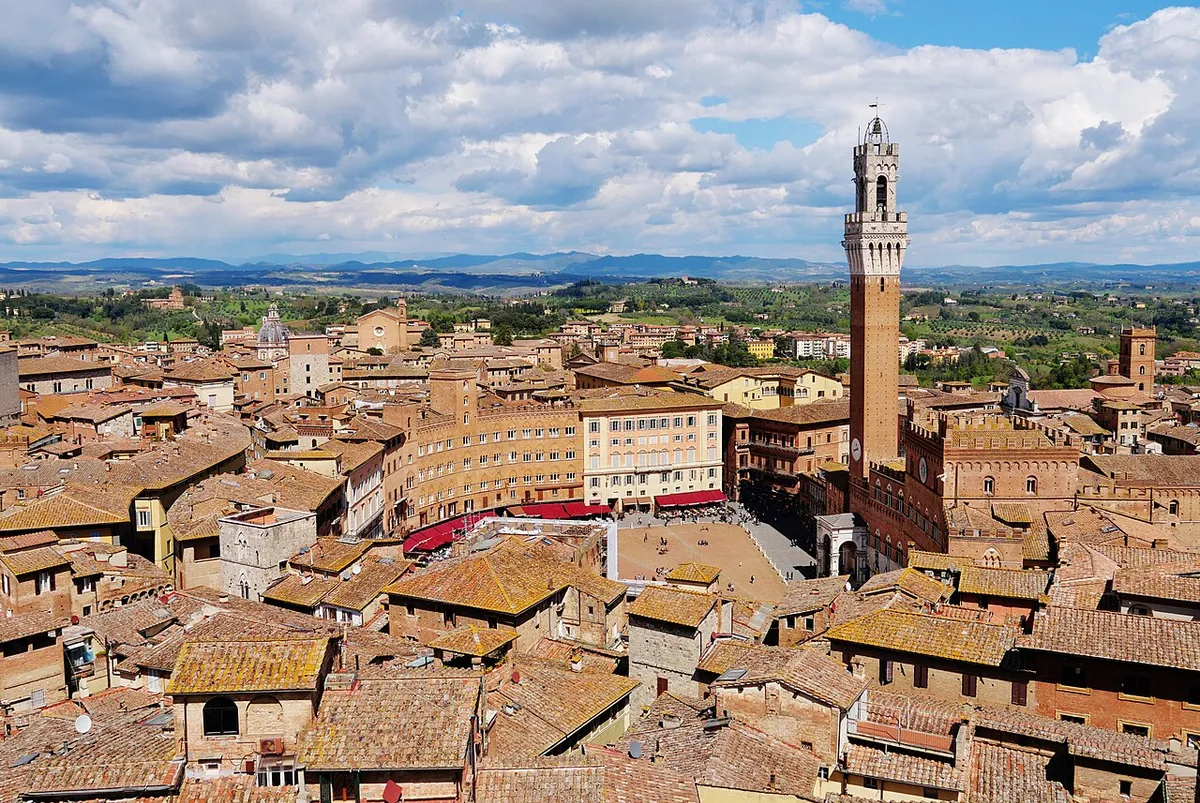
Siena preserves one of Italy's finest medieval cityscapes. Its red-brick streets, dramatic central square and Gothic architecture reveal the wealth and independence of a powerful medieval republic.
The city is famous for the Palio horse race, a tradition dating back centuries that continues to bring Siena's historic neighbourhoods to life.
Visitors can explore medieval streets, climb viewpoints and discover surrounding Tuscan landscapes filled with vineyards and walking routes. Siena is particularly suited to slow travellers.
Best for: Medieval streets and the famous Palio square.
Image: Ambra75 (CC BY-SA 4.0) via Wikimedia Commons
Valley of the Temples
Sicily
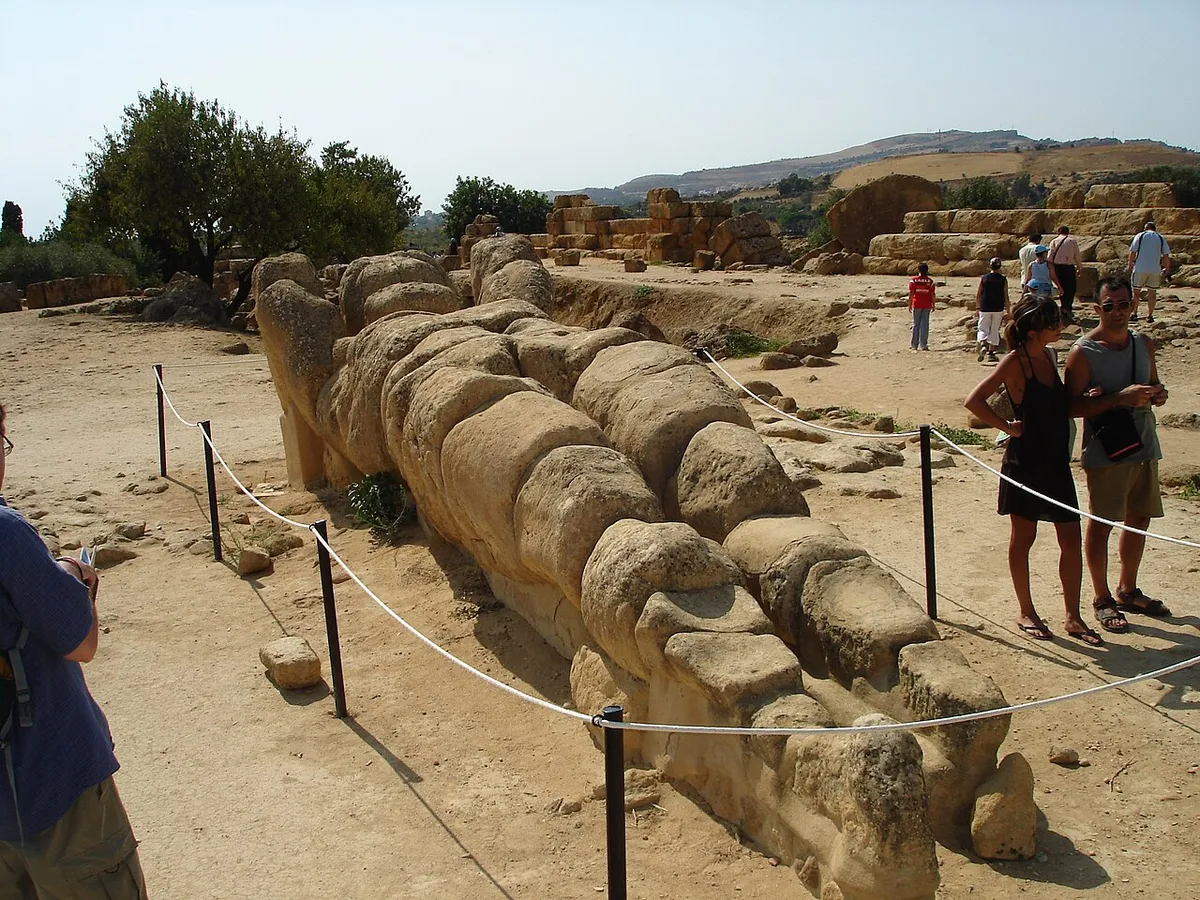
The Valley of the Temples near Agrigento is one of the greatest surviving examples of ancient Greek civilisation outside Greece itself.
Founded by Greek settlers in the 6th century BC, the city of Akragas became one of the richest cities in the Mediterranean. Today visitors can walk among remarkably preserved Doric temples overlooking the Sicilian countryside and sea.
The surrounding landscape is perfect for outdoor exploration, with coastal walks, countryside routes and campsites nearby.
Best for: Greek temples overlooking the Sicilian coast.
Image: FrDr (CC BY-SA 4.0) via Wikimedia Commons
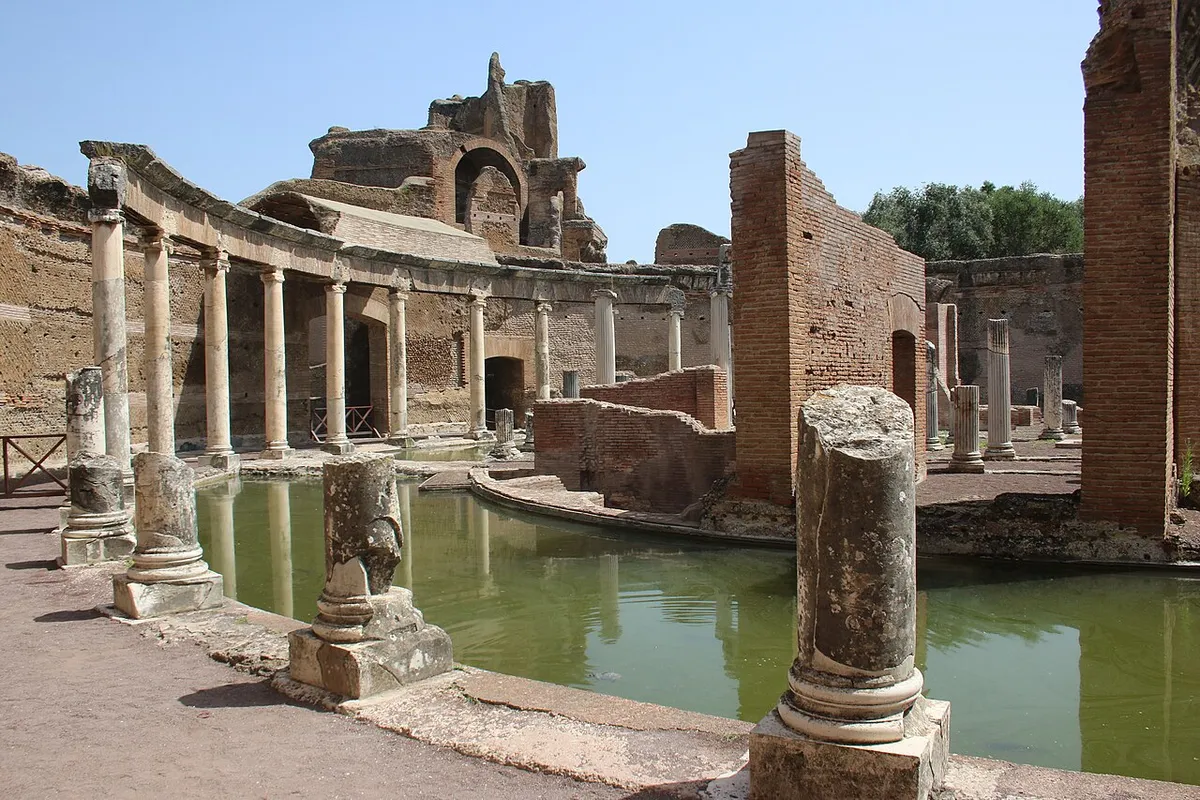
Hadrian's Villa
Lazio
Built by Emperor Hadrian during the 2nd century AD, Hadrian's Villa was an enormous imperial retreat combining architecture, gardens and cultural influences from across the Roman world.
The complex includes palaces, theatres, libraries, baths and decorative features inspired by Greece, Egypt and other regions of the empire.
Visitors can spend hours exploring the ruins and imagining life within one of Rome's greatest imperial residences. The nearby countryside provides excellent walking opportunities.
Nearby: The Tivoli countryside beyond central Rome.
Image: Arne Müseler (CC BY-SA 3.0 de) via Wikimedia Commons
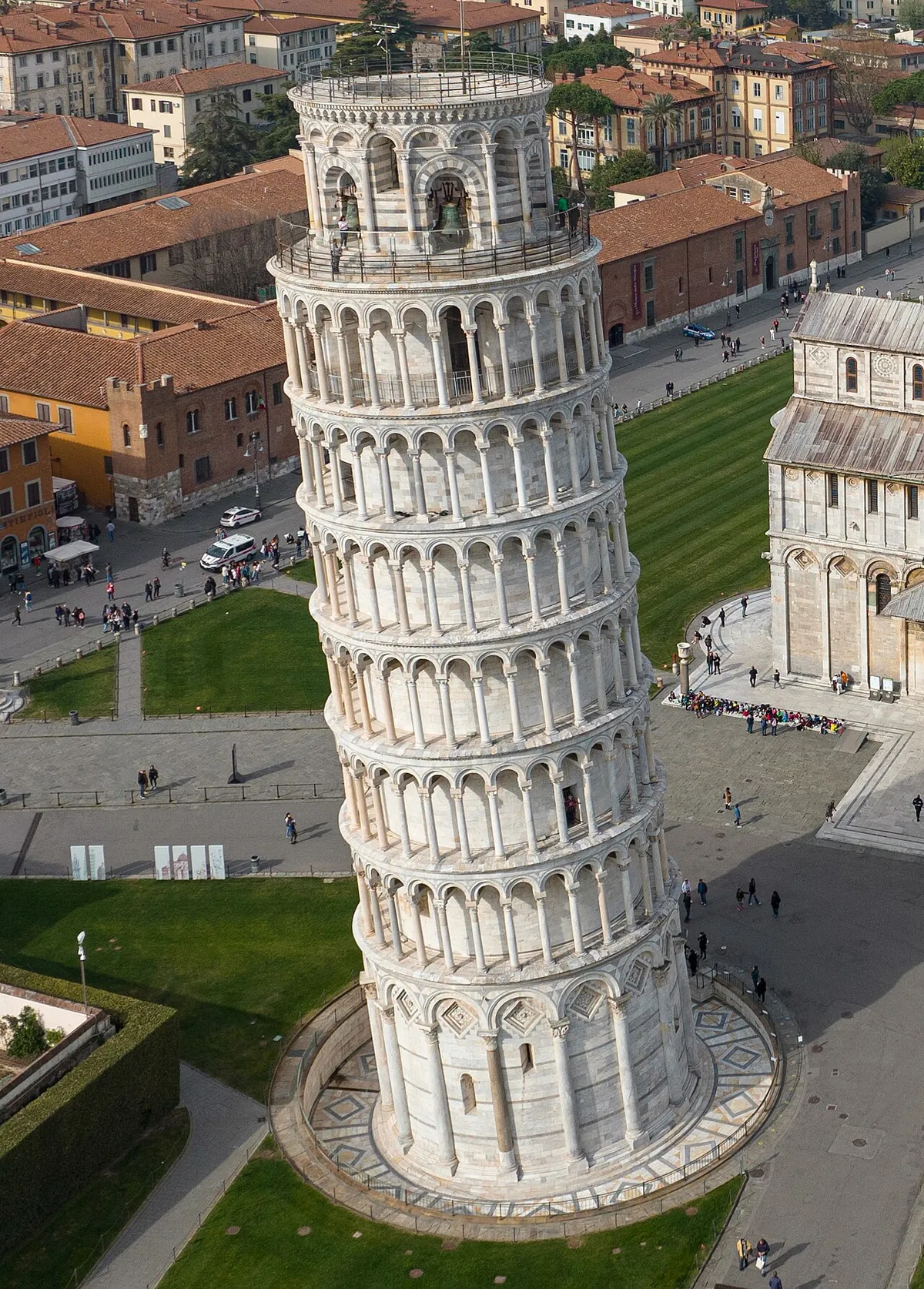
The Leaning Tower of Pisa
Tuscany
The Leaning Tower of Pisa is one of Italy's most famous landmarks and a masterpiece of medieval engineering.
Originally built as the cathedral's bell tower, its famous tilt began during construction due to unstable foundations, creating the unusual appearance that has fascinated visitors for centuries.
The tower forms part of the Piazza dei Miracoli, a remarkable medieval complex containing the cathedral, baptistery and historic monuments. Travellers can combine Pisa with Tuscan cycling routes and coastal adventures.
Best for: The Piazza dei Miracoli and its famous tilt.