Germany's Most Iconic Landmarks

Explore centuries of German history through ancient cities, magnificent cathedrals, royal palaces and cultural landmarks.

Cologne Cathedral, North Rhine-Westphalia Image: Raimond Spekking (CC BY-SA 4.0) via Wikimedia Commons

Germany's history can be discovered everywhere — from medieval old towns and mighty cathedrals to royal palaces and ancient Roman settlements.

Across the country, remarkable landmarks reveal the story of emperors, merchants, artists, architects and communities that shaped Europe over thousands of years.

Whether exploring on foot, cycling between historic towns or using campsites as a base for longer adventures, Germany offers some of the continent's richest cultural journeys.

Cologne Cathedral, Germany

Image: Raimond Spekking (CC BY-SA 4.0) via Wikimedia Commons

Cologne Cathedral

North Rhine-Westphalia

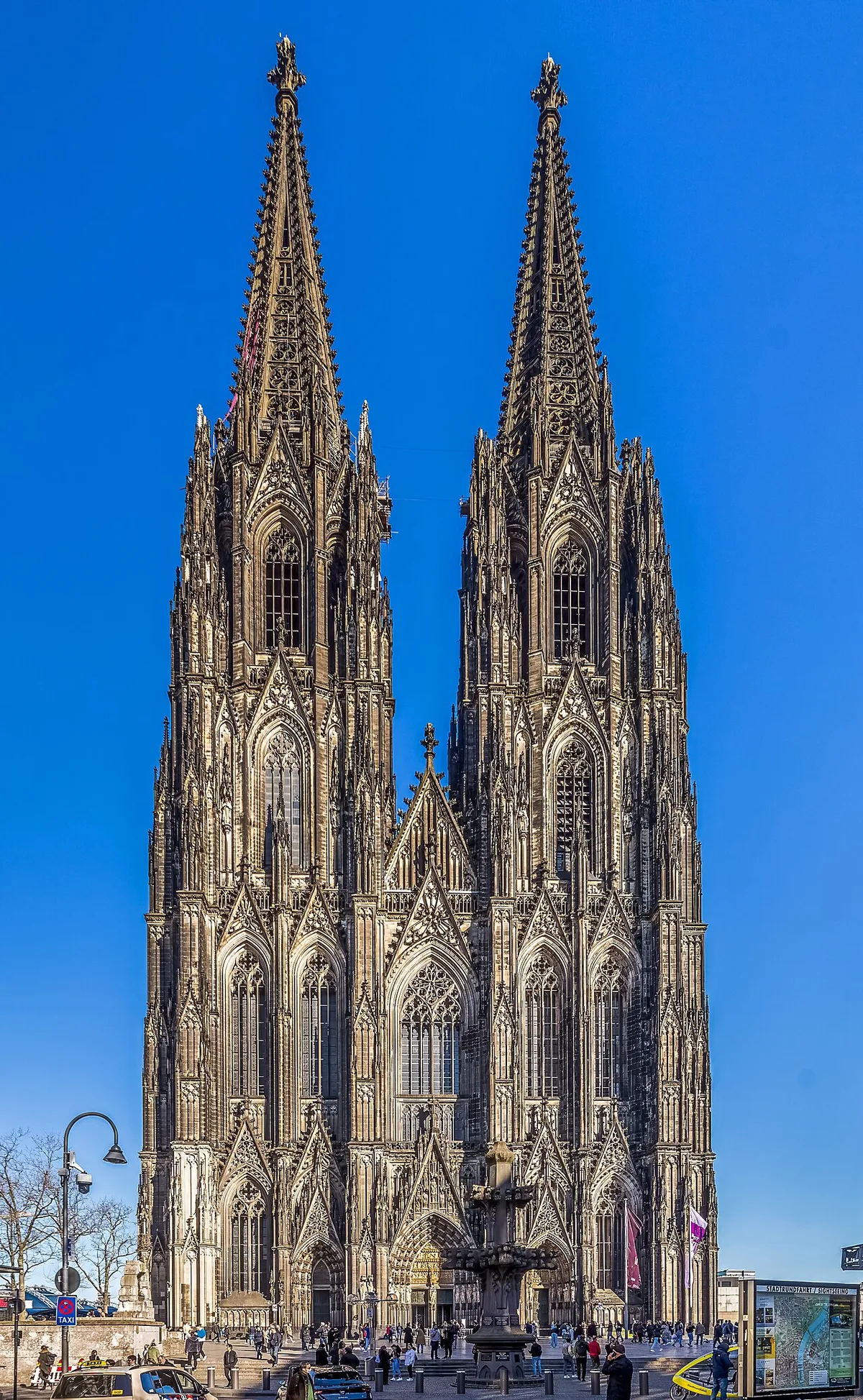
Standing beside the River Rhine, Cologne Cathedral is one of Europe's greatest Gothic masterpieces and Germany's most recognisable landmark. Construction began in 1248 and continued for more than six centuries before the cathedral was finally completed in the 19th century.

The cathedral's enormous twin towers dominate the Cologne skyline, while inside visitors can discover medieval treasures including the Shrine of the Three Kings, one of the most important reliquaries in the Christian world.

For outdoor travellers, Cologne makes an excellent base for exploring the Rhine region. Cycling routes follow the river, connecting historic towns, castles and countryside landscapes.

Best for: Gothic architecture beside the Rhine.
Campsites nearby
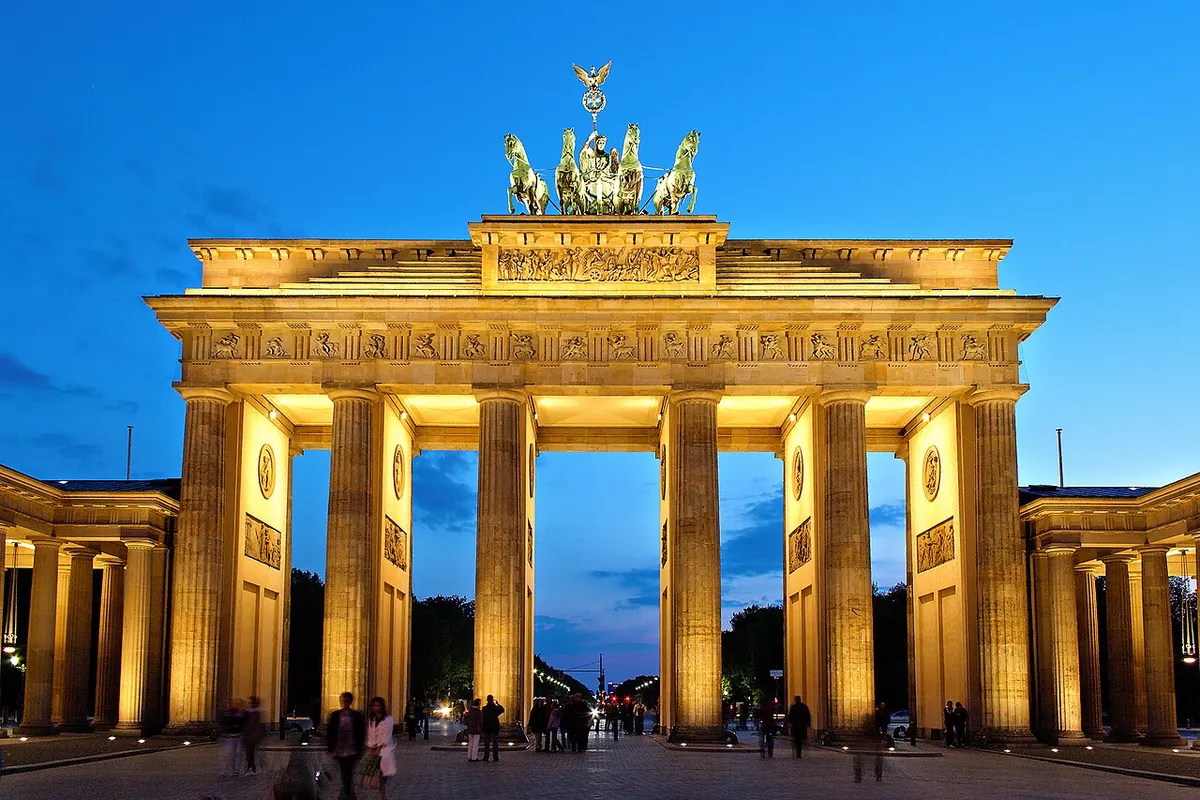
Brandenburg Gate, Germany

Image: Thomas Wolf, www.foto-tw.de (CC BY-SA 3.0) via Wikimedia Commons

Brandenburg Gate

Berlin

The Brandenburg Gate is one of Germany's most powerful symbols of history and unity. Built in the late 18th century as a city gate for Berlin, it has witnessed some of the most important moments in German history.

Originally inspired by ancient Greek architecture, the gate later became associated with Prussian power, the division of Berlin during the Cold War and Germany's reunification in 1990. Today it stands as a symbol of peace and national unity.

Visitors can explore the surrounding historic district, including nearby museums, government buildings and walking routes through central Berlin.

Nearby: Central Berlin's museums and government quarter.

Campsites nearby
Rothenburg ob der Tauber, Germany

Image: Berthold Werner (Public domain) via Wikimedia Commons

Rothenburg ob der Tauber

Bavaria

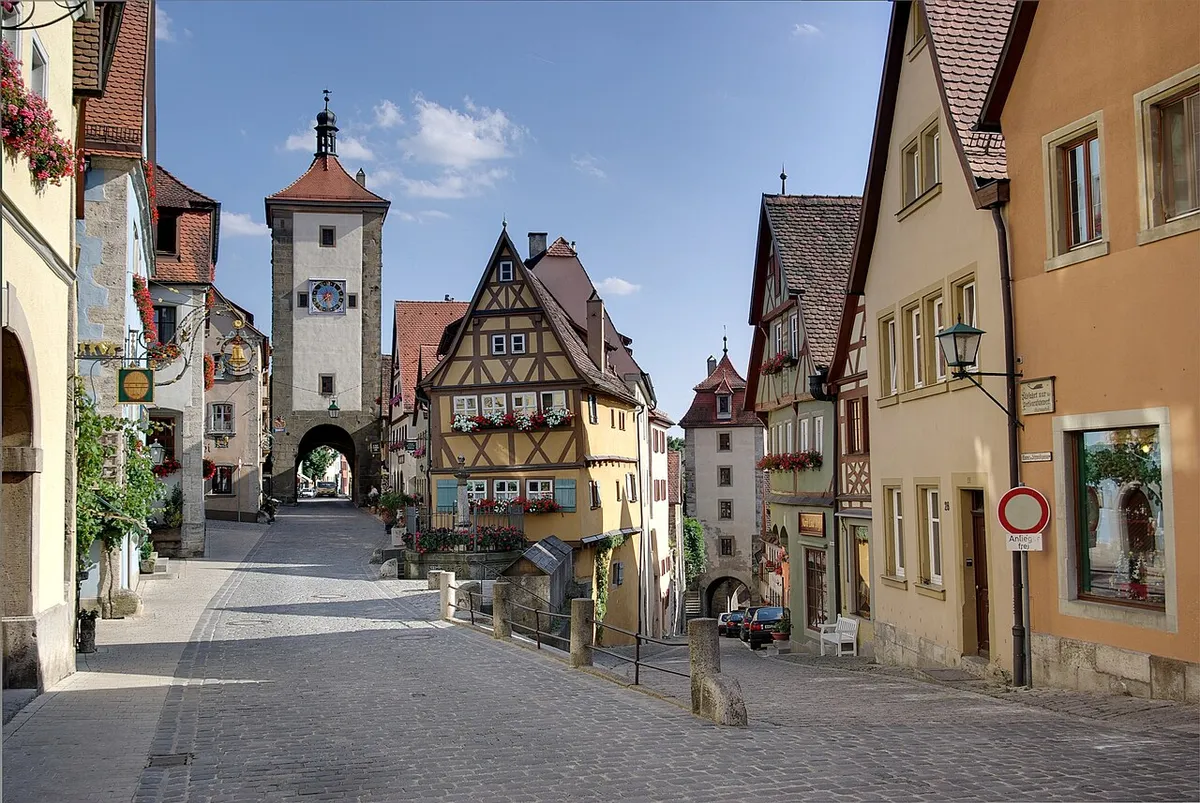
Rothenburg ob der Tauber is one of Germany's best-preserved medieval towns and a living example of what a European city looked like centuries ago. Its fortified walls, timber-framed houses, towers and cobbled streets create an atmosphere that feels almost untouched by time.

The town flourished during the Middle Ages as a trading centre, but later periods of decline helped preserve its historic character. Today visitors can walk the city walls, explore medieval lanes and discover landmarks including the town hall and historic gates.

Rothenburg is particularly rewarding for cyclists and walkers. Located along the Romantic Road route, it can easily be included in a slow travel journey through Bavaria.

Best for: Walking the medieval walls on the Romantic Road.

Campsites nearby
Lübeck Old Town, Germany

Image: Oleg Dejan (CC BY 3.0) via Wikimedia Commons

Lübeck Old Town

Schleswig-Holstein

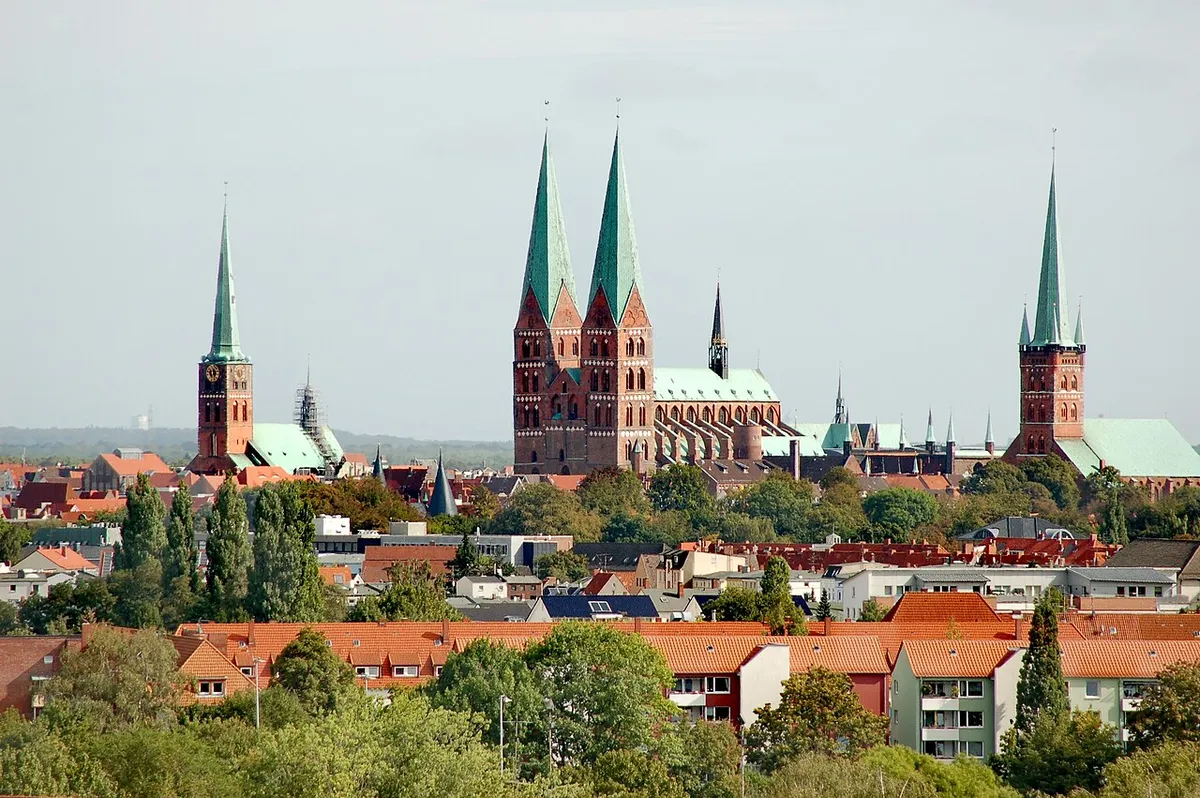
The historic city of Lübeck was once the powerful centre of the Hanseatic League, a medieval trading network that connected northern Europe. Its Old Town island is filled with Gothic churches, merchant houses and historic warehouses.

The city's famous Holstentor gate remains one of Germany's most recognisable medieval structures. Visitors can explore narrow streets, historic courtyards and waterfront areas that reveal Lübeck's importance as a maritime trading centre.

Cyclists travelling the Baltic coast will find Lübeck an ideal stop, with coastal routes, nearby nature areas and campsites allowing travellers to combine history with outdoor exploration.

Best for: Hanseatic history and the Holstentor gate.

Campsites nearby
Sanssouci Palace, Germany

Image: ernstol (CC BY-SA 3.0) via Wikimedia Commons

Sanssouci Palace

Brandenburg

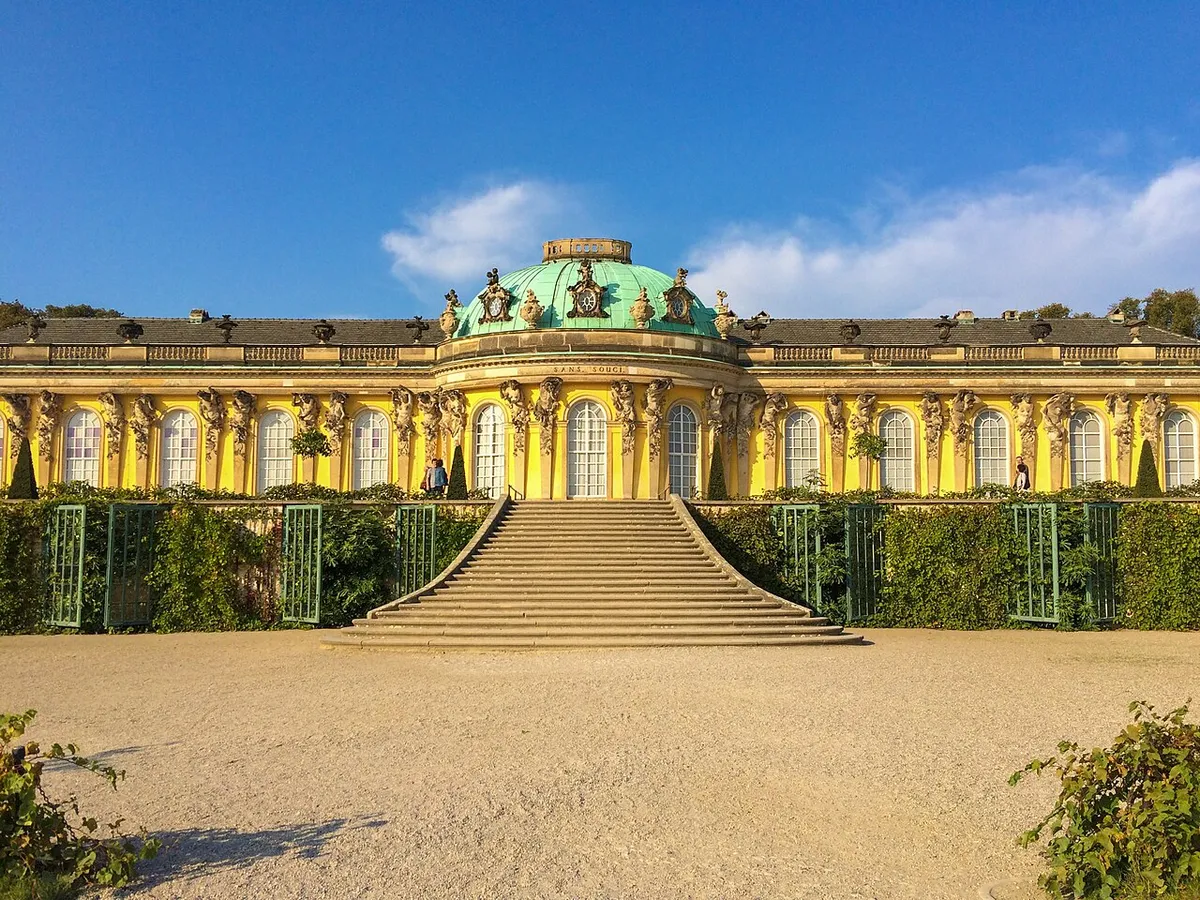
Built for Frederick the Great of Prussia in the 18th century, Sanssouci Palace was designed as a private retreat away from the pressures of royal life. Located in Potsdam, the palace is surrounded by magnificent gardens, terraces and historic buildings.

The palace reflects the elegance of the European Enlightenment, with beautifully decorated interiors and carefully designed landscapes showing the influence of French and Italian styles.

The surrounding Sanssouci Park is perfect for walking, with kilometres of paths connecting fountains, gardens and historic buildings. Visitors can easily combine the palace with cycling routes around Potsdam's lakes and forests.

Best for: Baroque gardens and Potsdam's lakes.

Campsites nearby
Würzburg Residence, Germany

Image: Wikimedia Commons (CC BY-SA 3.0)

Würzburg Residence

Bavaria

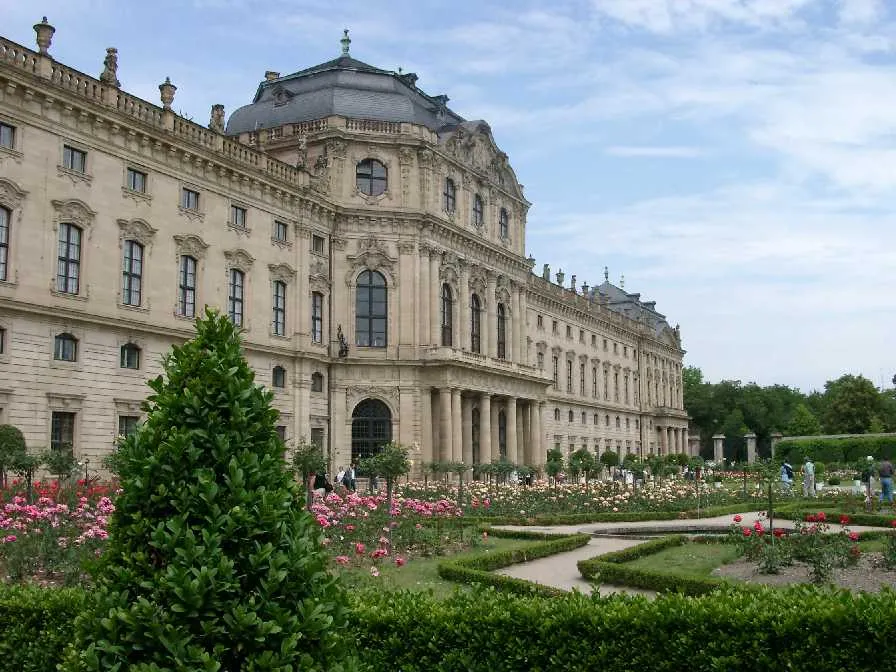
The Würzburg Residence is one of Europe's finest Baroque palaces and a masterpiece of 18th-century architecture. Built for the prince-bishops of Würzburg, it brought together some of Europe's greatest artists and architects.

The palace is famous for its grand staircase, enormous ceiling fresco by Giovanni Battista Tiepolo and luxurious imperial apartments. Its gardens provide a peaceful contrast to the building's incredible interiors.

Located in the Franconian wine region, Würzburg is a superb destination for travellers combining culture, cycling and outdoor experiences along the Main River.

Nearby: Franconian vineyards and the Main River.

Campsites nearby
Trier Roman Monuments, Germany

Image: Berthold Werner (CC BY-SA 3.0) via Wikimedia Commons

Trier Roman Monuments

Rhineland-Palatinate

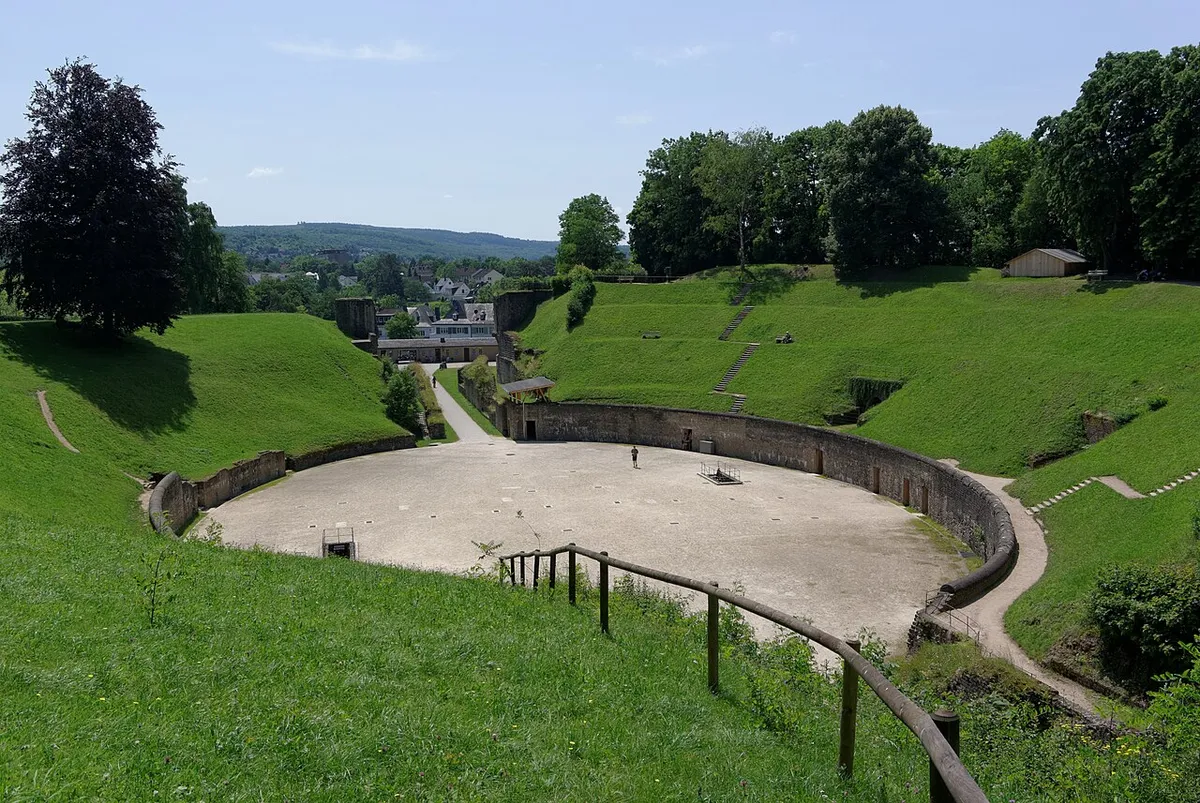
Trier is Germany's oldest city and one of the most important Roman sites north of the Alps. Founded around 16 BC as Augusta Treverorum, it became a major Roman administrative centre and even served as a residence for Emperor Constantine.

The city contains remarkable Roman monuments including the Porta Nigra, Roman Baths, amphitheatre and ancient bridges. Together they provide one of the clearest windows into Roman life anywhere in Germany.

Trier is especially attractive for outdoor travellers because it sits among vineyards, rivers and walking routes along the Moselle Valley.

Best for: Roman monuments in the Moselle Valley.

Campsites nearby
Aachen Cathedral, Germany

Image: CEphoto, Uwe Aranas (CC BY-SA 3.0) via Wikimedia Commons

Aachen Cathedral

North Rhine-Westphalia

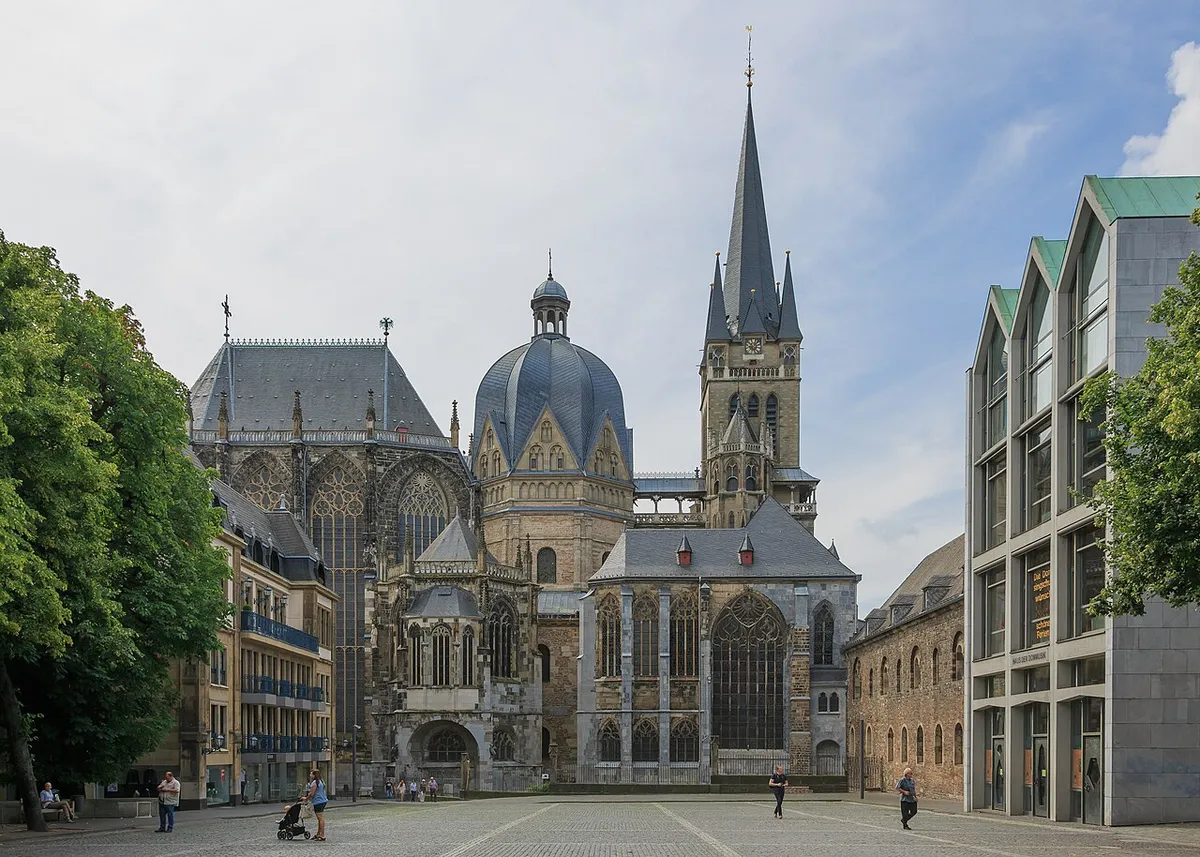
Aachen Cathedral is one of Germany's most historically significant religious buildings. Built by Charlemagne around AD 800, it became the centre of his empire and later the coronation church of German kings for centuries.

The cathedral's Palatine Chapel, with its unique octagonal design and stunning mosaics, reflects the ambition of the Carolingian period and remains one of Europe's great medieval treasures.

Visitors can explore Aachen's historic centre and nearby countryside routes. The city also sits close to the borders with Belgium and the Netherlands, making it an excellent stop on wider European cycling adventures.

Best for: Charlemagne's coronation church and cross-border cycling.

Campsites nearby
Zollverein Coal Mine Industrial Complex, Germany

Image: Thomas Wolf, www.foto-tw.de (CC BY-SA 3.0 de) via Wikimedia Commons

Zollverein Coal Mine Industrial Complex

North Rhine-Westphalia

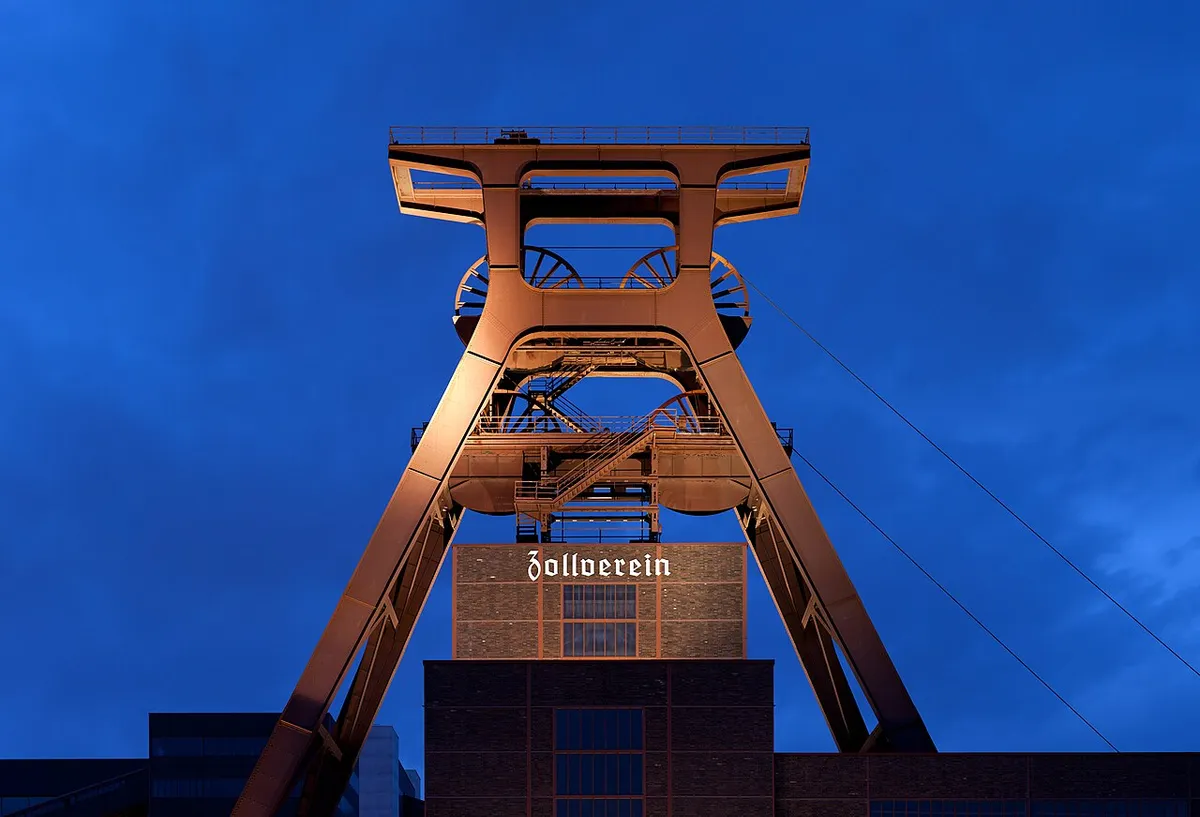
The Zollverein Coal Mine in Essen represents a different chapter of German history — the industrial transformation that powered Europe's growth during the 19th and 20th centuries.

Once one of the world's largest coal mining complexes, Zollverein has been transformed into a cultural landmark and UNESCO World Heritage Site. Its striking industrial architecture shows how former workplaces can become symbols of creativity and regeneration.

Visitors can explore museums, exhibitions, walking routes and events across the site. The surrounding Ruhr region also offers cycling trails connecting industrial landmarks, parks and waterways.

Best for: UNESCO industrial heritage and Ruhr cycle trails.

Campsites nearby

Find campsites near Germany's greatest historic landmarks and start planning your cultural adventure with GoCastra.

Find campsites in Germany →

Looking for more? See more of Germany's historic sites →