Germany's Historic Battlefields

Discover the landscapes where Roman legions, medieval armies and powerful kingdoms fought to shape the future of Europe.

Teutoburg Forest, Lower Saxony Image: Agnete (Public domain) via Wikimedia Commons

Germany's landscapes hold the memories of centuries of conflict. Long before modern warfare transformed Europe, these forests, rivers and plains witnessed battles between Roman armies, Germanic tribes, medieval dynasties and rival kingdoms fighting for power.

Many of these historic battlefields remain open landscapes rather than traditional monuments, allowing visitors to explore them through walking trails, museums and archaeological sites.

For outdoor travellers, Germany's battlefields offer a unique way to combine history with hiking, cycling and discovering the countryside where Europe's past was shaped.

Battle of the Teutoburg Forest, Germany

Image: Agnete (Public domain) via Wikimedia Commons

Battle of the Teutoburg Forest

North Rhine-Westphalia / Lower Saxony

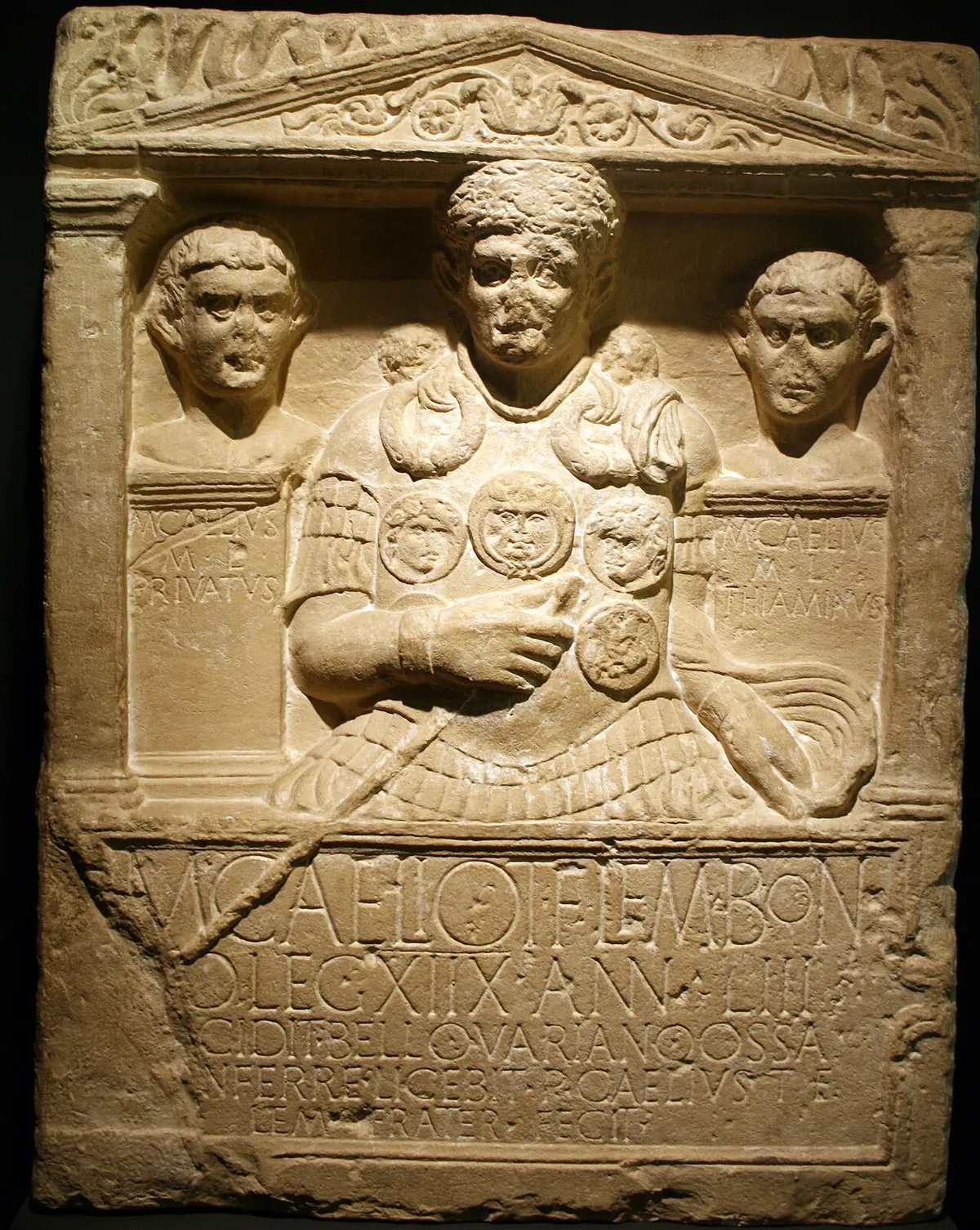
The Battle of the Teutoburg Forest in AD 9 is one of the most significant battles in European history. A coalition of Germanic tribes led by Arminius ambushed and destroyed three Roman legions under the command of Publius Quinctilius Varus, stopping Rome's expansion into northern Europe.

The exact battlefield location was debated for centuries until archaeological discoveries near modern-day Kalkriese revealed evidence including Roman military equipment, coins and fortifications. Today visitors can explore the Kalkriese Museum and archaeological park.

The surrounding landscape remains largely rural, making it ideal for outdoor exploration. Visitors can combine the battlefield with hiking through the Teutoburg Forest, one of Germany's most attractive walking regions.

Best for: The Kalkriese museum and Teutoburg Forest hikes.
Campsites nearby
Battle of the Harzhorn, Germany

Image: Medvedev (CC BY-SA 3.0) via Wikimedia Commons

Battle of the Harzhorn

Lower Saxony

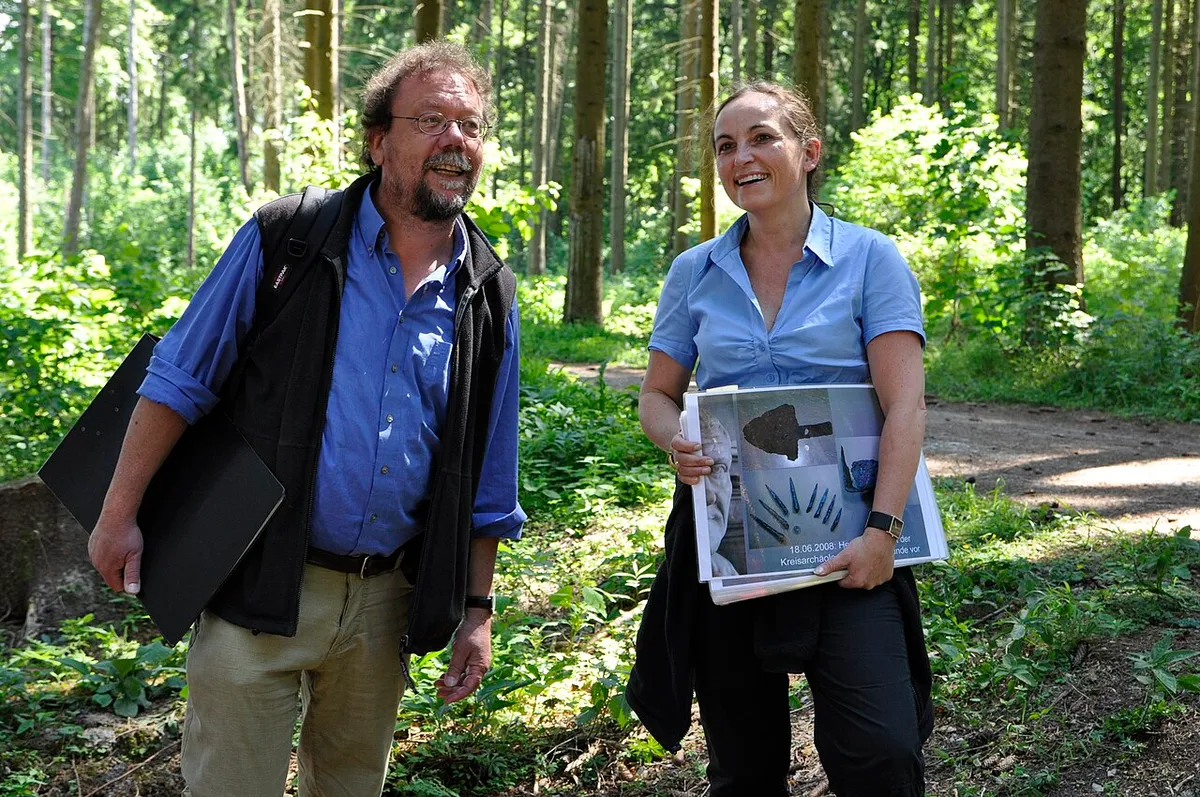
The Battle of the Harzhorn is one of Germany's most fascinating archaeological discoveries. Unlike the famous Teutoburg defeat, this conflict took place centuries later during the Roman campaigns of the 3rd century AD, when Roman forces again ventured deep into Germanic territory.

Discovered in 2008, the battlefield revealed thousands of Roman military artefacts, including weapons and ammunition, showing that Rome continued military operations in the region long after the events of AD 9.

Visitors can explore information trails around the Harzhorn site. Located near the Harz Mountains, the battlefield is especially appealing for walkers and cyclists exploring one of Germany's most scenic outdoor regions.

Nearby: The Harz Mountains and their walking routes.

Campsites nearby
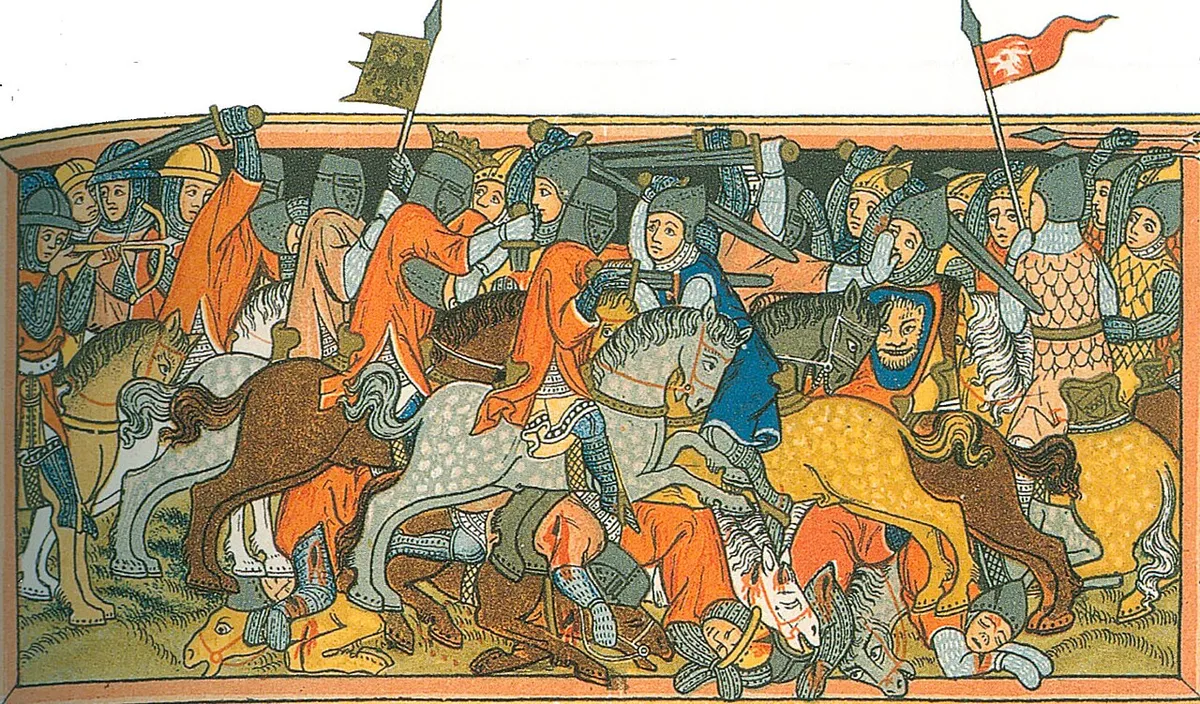
Battle of Mühldorf, Germany

Image: Unknown authorUnknown author (vermutlicher Herstellungsort: Fritzlar, St. Petersstift) (Public domain) via Wikimedia Commons

Battle of Mühldorf

Bavaria

The Battle of Mühldorf in 1322 was one of the most important medieval conflicts in the Holy Roman Empire. It was fought between rival claimants to the imperial throne: Louis IV of Bavaria and Frederick the Fair of Austria.

The battle was unusual because it represented a struggle not between nations but between powerful noble families competing for control of the empire. Louis's victory secured his position as Holy Roman Emperor and changed the balance of power in medieval Germany.

Today visitors can explore the historic town of Mühldorf, with its medieval streets, museums and reminders of its long past. The surrounding Bavarian countryside offers cycling routes and peaceful landscapes.

Nearby: Mühldorf old town and the Bavarian countryside.

Campsites nearby
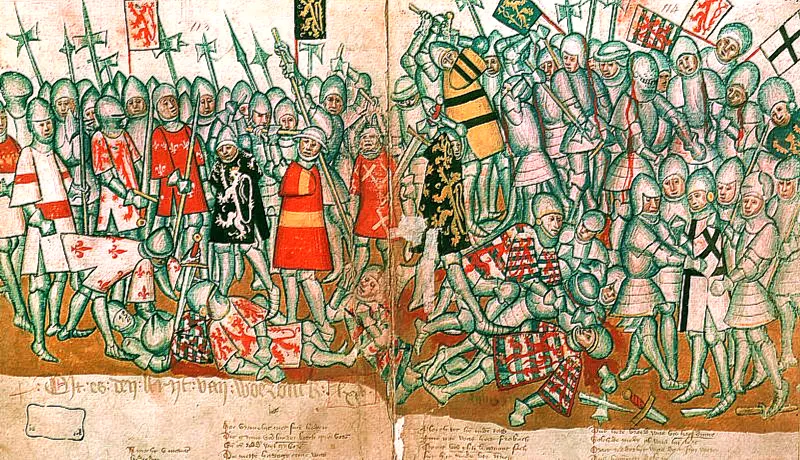
Battle of Worringen, Germany

Image: Unknown authorUnknown author (Public domain) via Wikimedia Commons

Battle of Worringen

North Rhine-Westphalia

The Battle of Worringen in 1288 was one of the largest medieval battles in the region and a turning point in the history of the Rhineland. The conflict involved the Duchy of Brabant, the Archbishop of Cologne and several regional powers fighting over control and influence.

The victory of the opposing coalition weakened the power of the Archbishop of Cologne and helped strengthen the position of cities such as Cologne.

Although the battlefield itself has changed considerably over the centuries, visitors can explore the nearby landscapes around Worringen and combine the history with cycling routes along the Rhine.

Nearby: Cologne and Rhine cycling routes.

Campsites nearby
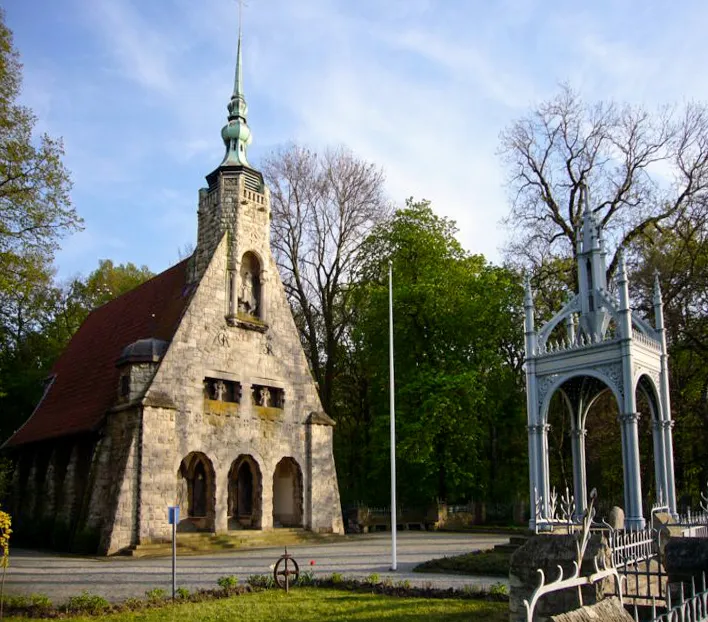
Battle of Lützen, Germany

Image: Karl Friedrich Schinkel / Lars Israel Wahlman (Public domain) via Wikimedia Commons

Battle of Lützen

Saxony-Anhalt

The Battle of Lützen in 1632 was one of the most famous battles of the Thirty Years' War. Protestant forces led by Swedish King Gustavus Adolphus fought the Imperial army commanded by Albrecht von Wallenstein.

The battle was a victory for the Protestant side but came at a huge cost, with Gustavus Adolphus killed during the fighting. His death made him one of the most remembered military figures of the era.

Today visitors can explore the battlefield area, memorial sites and the nearby town of Lützen. The open countryside makes the location suitable for walking routes and history-focused day trips.

Best for: Thirty Years' War history and battlefield memorials.

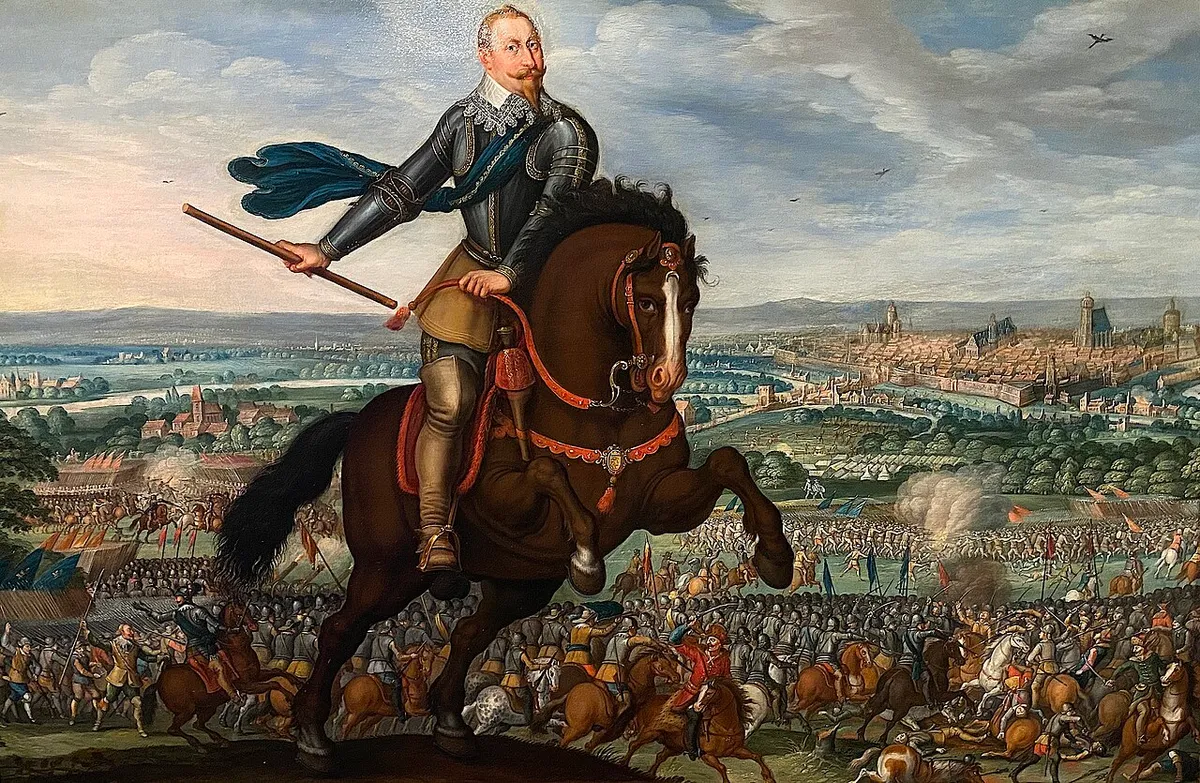
Battle of Breitenfeld, Germany

Image: DCHNwam (Public domain) via Wikimedia Commons

Battle of Breitenfeld

Saxony

The Battle of Breitenfeld in 1631 was a major turning point in the Thirty Years' War. Swedish forces under Gustavus Adolphus achieved a decisive victory against the Imperial army, changing the direction of the conflict.

The battle demonstrated new military tactics and helped establish Gustavus Adolphus as one of Europe's most influential commanders.

Visitors can explore the battlefield landscape north of Leipzig, including memorials and information points explaining the events. The area is easily combined with cycling routes and cultural visits around Saxony.

Nearby: Leipzig and Saxony cycling routes.

Campsites nearby
Battle of Frankenhausen, Germany

Image: Wikimedia Commons (Public domain)

Battle of Frankenhausen

Thuringia

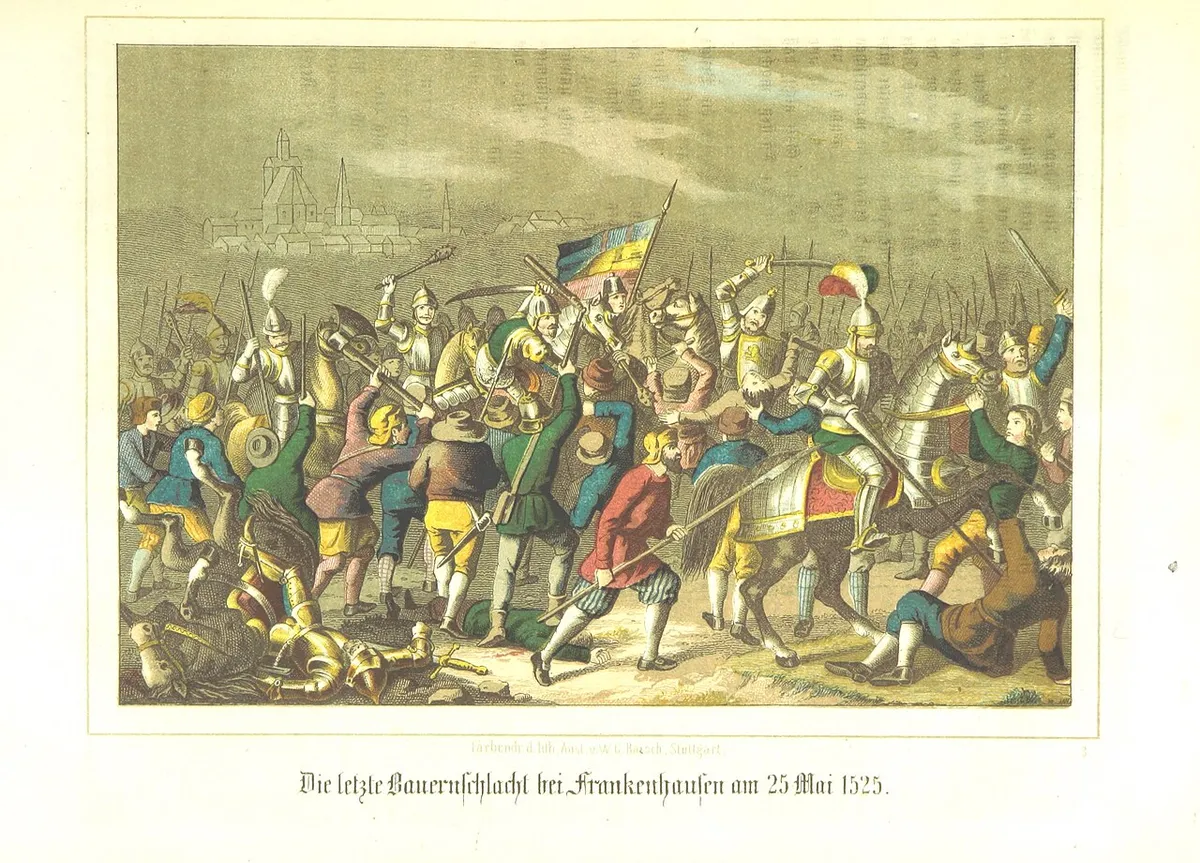
The Battle of Frankenhausen in 1525 was the final major battle of the German Peasants' War, a widespread uprising against social inequality and religious tensions.

Thousands of poorly equipped rebels gathered under leaders including Thomas Müntzer before being defeated by forces loyal to the ruling princes. The battle became a symbol of the struggle between ordinary people and powerful authorities.

Visitors can explore the nearby Panorama Museum, which features a huge historical painting depicting the conflict, as well as walking routes through the surrounding countryside.

Best for: The Panorama Museum and its monumental painting.

Campsites nearby
Battle of Hohenlinden, Germany

Image: Henri Frédéric Schopin (Public domain) via Wikimedia Commons

Battle of Hohenlinden

Bavaria

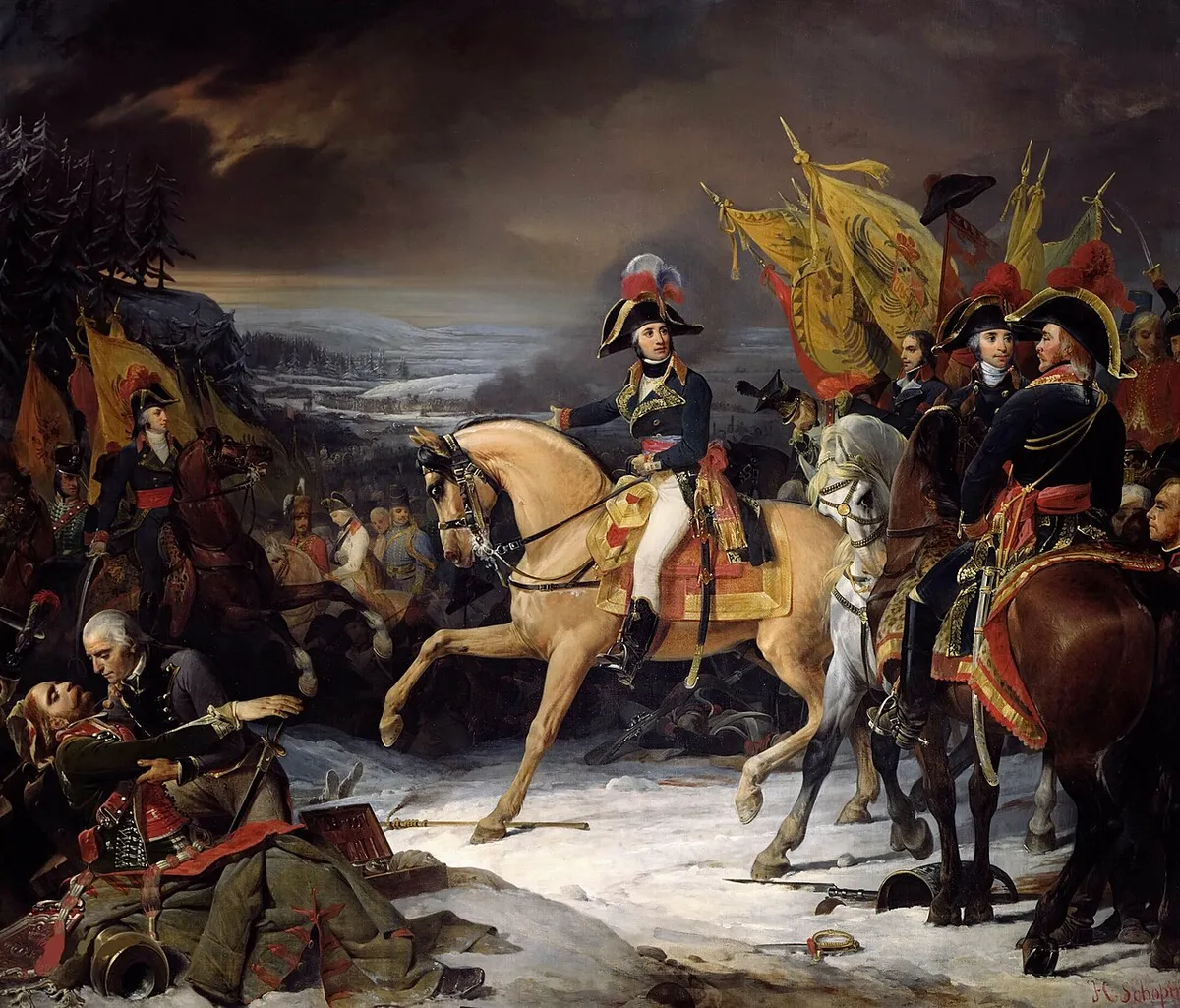
The Battle of Hohenlinden in 1800 was one of Napoleon's most significant victories before his rise to complete dominance in Europe. French forces under General Jean Victor Moreau defeated Austrian and allied troops during the French Revolutionary Wars.

The victory helped force Austria into peace negotiations and demonstrated the effectiveness of French military tactics during the period.

The battlefield near Munich remains a peaceful rural landscape today. Visitors can explore memorials, villages and walking routes while discovering a lesser-known chapter of European history.

Nearby: Munich and the surrounding Bavarian countryside.

Campsites nearby
Battle of Langensalza, Germany

Image: Georg von Boddien (+1928) (Public domain) via Wikimedia Commons

Battle of Langensalza

Thuringia

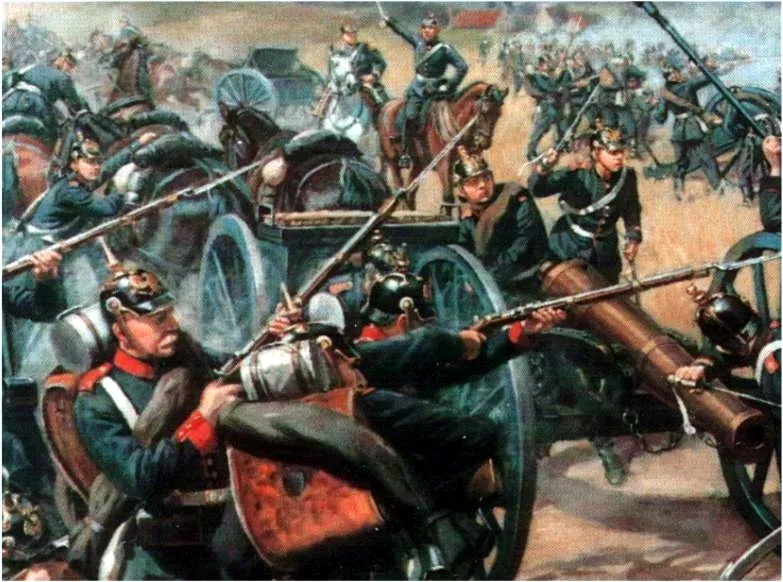
The Battle of Langensalza in 1866 was fought during the Austro-Prussian War and was one of the last major battles involving the Kingdom of Hanover before it was absorbed into Prussia.

Although Hanoverian forces achieved a tactical victory, the wider war resulted in Prussia becoming the dominant German power.

The battlefield around Bad Langensalza offers visitors a chance to explore historic countryside, medieval architecture and nearby natural areas including the Hainich National Park.

Nearby: Bad Langensalza and Hainich National Park.

Find campsites near Germany's historic battlefields and explore the landscapes where Europe's past was shaped with GoCastra.

Find campsites in Germany →

Looking for more? See more of Germany's historic sites →