Germany's Ancient Sites

Walk among Roman ruins, prehistoric monuments and archaeological landscapes revealing thousands of years of human history.

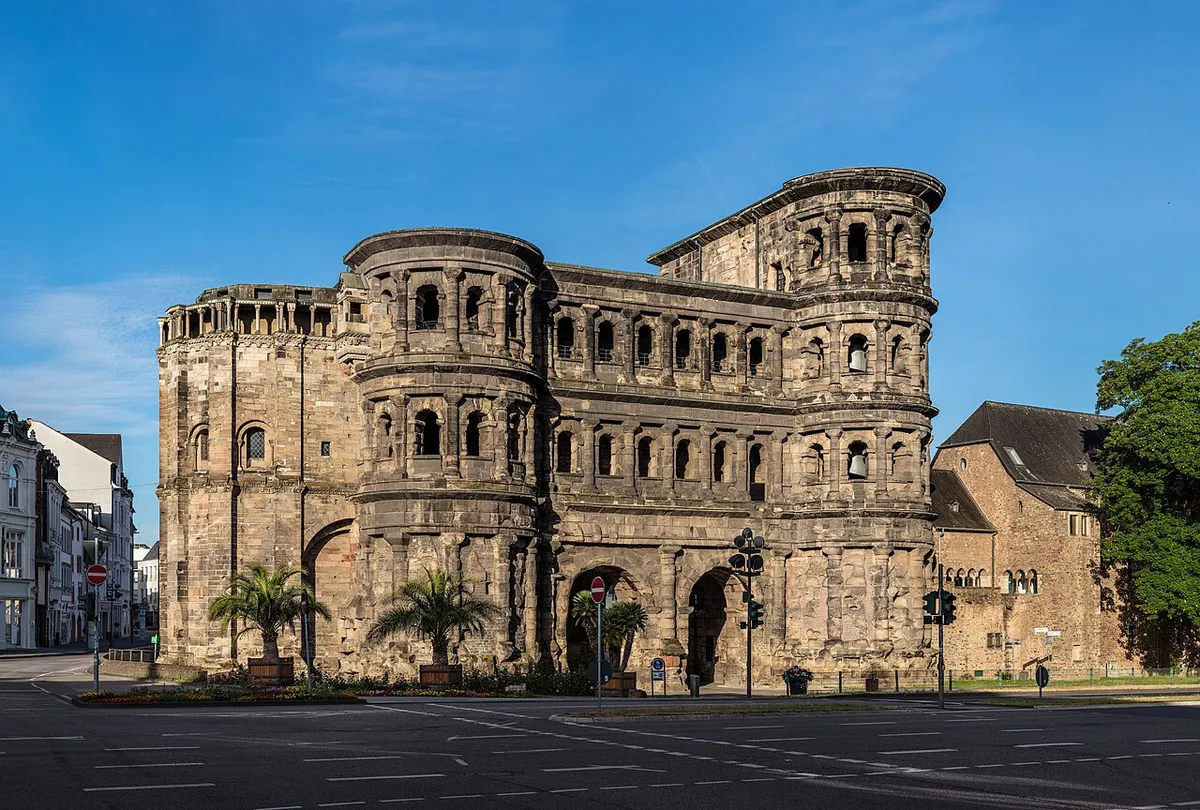
Porta Nigra, Trier Image: Thomas Wolf, www.foto-tw.de (CC BY-SA 3.0 de) via Wikimedia Commons

Germany's ancient history stretches far beyond medieval castles and historic cities. Long before the rise of modern Germany, the landscapes of the country were shaped by prehistoric communities, Celtic tribes and the Roman Empire.

Scattered across forests, river valleys and countryside are remarkable archaeological sites that reveal how people lived, traded, worshipped and defended themselves thousands of years ago.

For walkers, campers and outdoor explorers, Germany's ancient sites offer the chance to combine archaeology with some of the country's most beautiful natural landscapes.

Porta Nigra, Germany

Image: Thomas Wolf, www.foto-tw.de (CC BY-SA 3.0 de) via Wikimedia Commons

Porta Nigra

Trier, Rhineland-Palatinate

The Porta Nigra is Germany's most impressive Roman monument and one of the best-preserved Roman city gates anywhere in the world. Built around AD 170 from enormous blocks of sandstone, it once formed part of the defensive walls of Augusta Treverorum, the Roman city that became modern Trier.

The gate provides an extraordinary insight into Roman engineering and the importance of Trier as a major imperial centre. Visitors can climb through the ancient structure and explore its medieval transformation into a church.

Trier is a perfect destination for outdoor travellers. The surrounding Moselle Valley offers cycling routes, vineyards, walking trails and campsites.

Best for: The best-preserved Roman city gate north of the Alps.

Campsites nearby
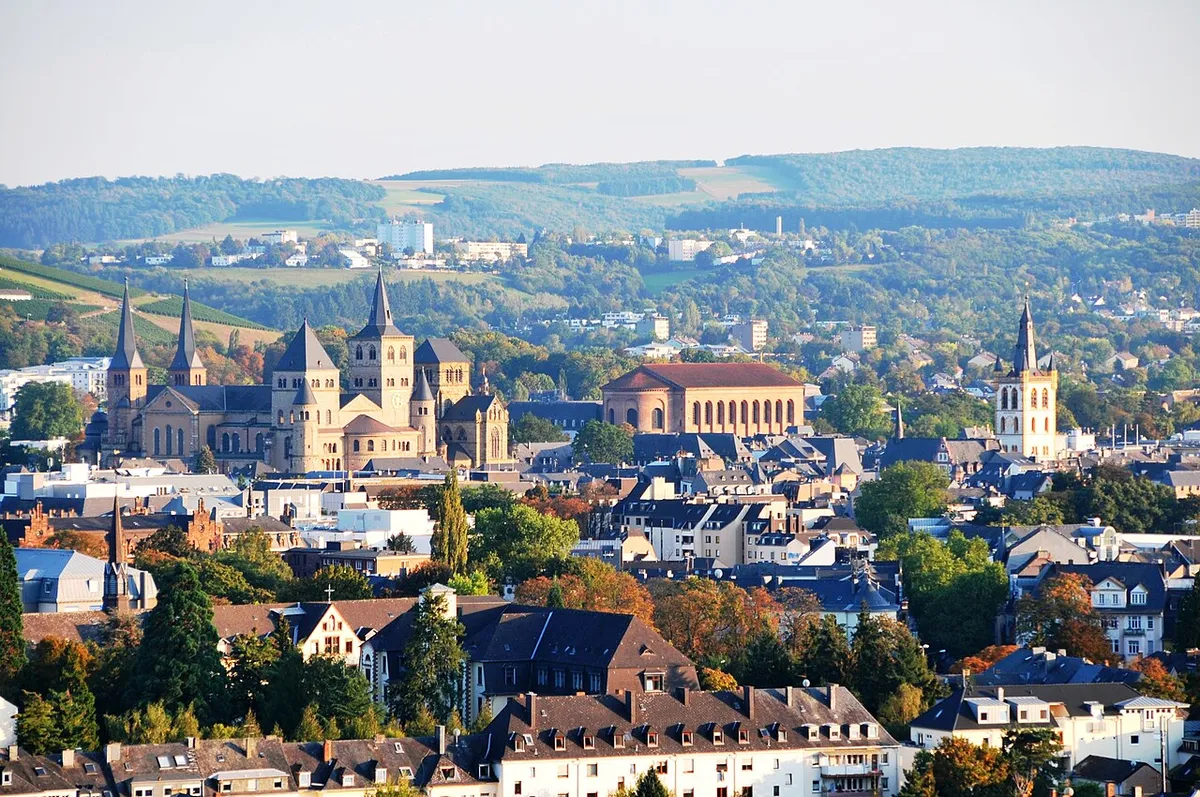
Roman Baths & Archaeological Sites of Trier, Germany

Image: CTHOE (CC BY-SA 3.0) via Wikimedia Commons

Roman Baths & Archaeological Sites of Trier

Rhineland-Palatinate

Beyond the Porta Nigra, Trier contains one of the greatest collections of Roman remains north of the Alps. The city's Roman Baths, amphitheatre and ancient bridge reveal the scale and sophistication of Roman urban life.

The Imperial Baths were among the largest Roman bath complexes ever built outside Rome, demonstrating Trier's importance as an imperial residence. Visitors can walk through underground passages and explore archaeological remains.

The concentration of Roman monuments makes Trier one of Europe's finest ancient destinations and an ideal stop for travellers exploring Germany's historic west.

Best for: Imperial baths and an amphitheatre in one city.

Campsites nearby
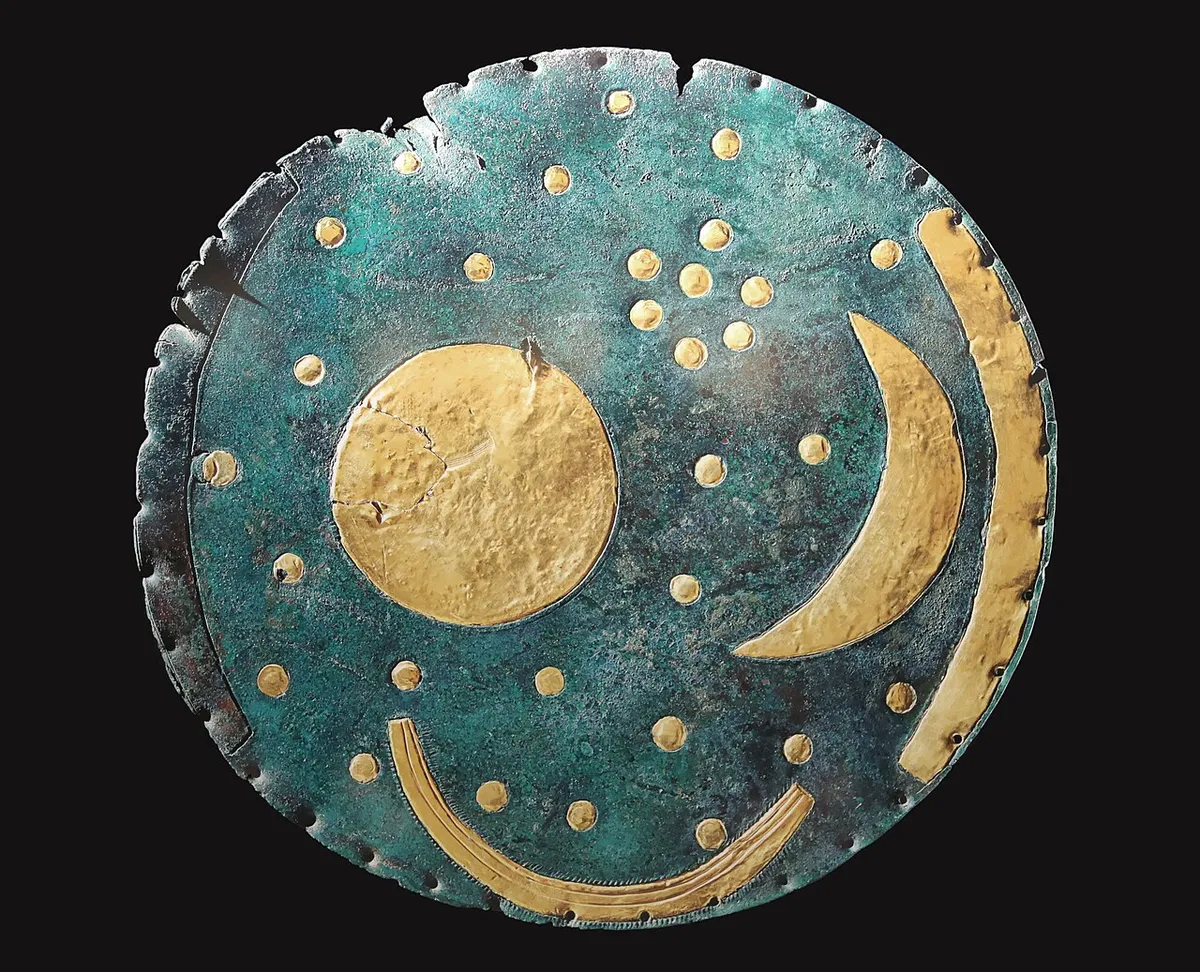
Nebra Sky Disc Site, Germany

Image: Frank Vincentz (Public domain) via Wikimedia Commons

Nebra Sky Disc Site

Saxony-Anhalt

The Nebra Sky Disc is one of Europe's most extraordinary Bronze Age discoveries. Dating from around 1600 BC, the bronze disc contains gold symbols representing the sun, moon and stars and is considered one of the earliest known representations of the cosmos.

The discovery transformed understanding of Bronze Age Europe, showing that prehistoric communities possessed advanced astronomical knowledge and complex cultural beliefs.

Visitors can explore the nearby visitor centre at the Mittelberg hill, where the discovery was made, and enjoy walking routes through the surrounding countryside.

Best for: Bronze Age astronomy and countryside walks.

Campsites nearby
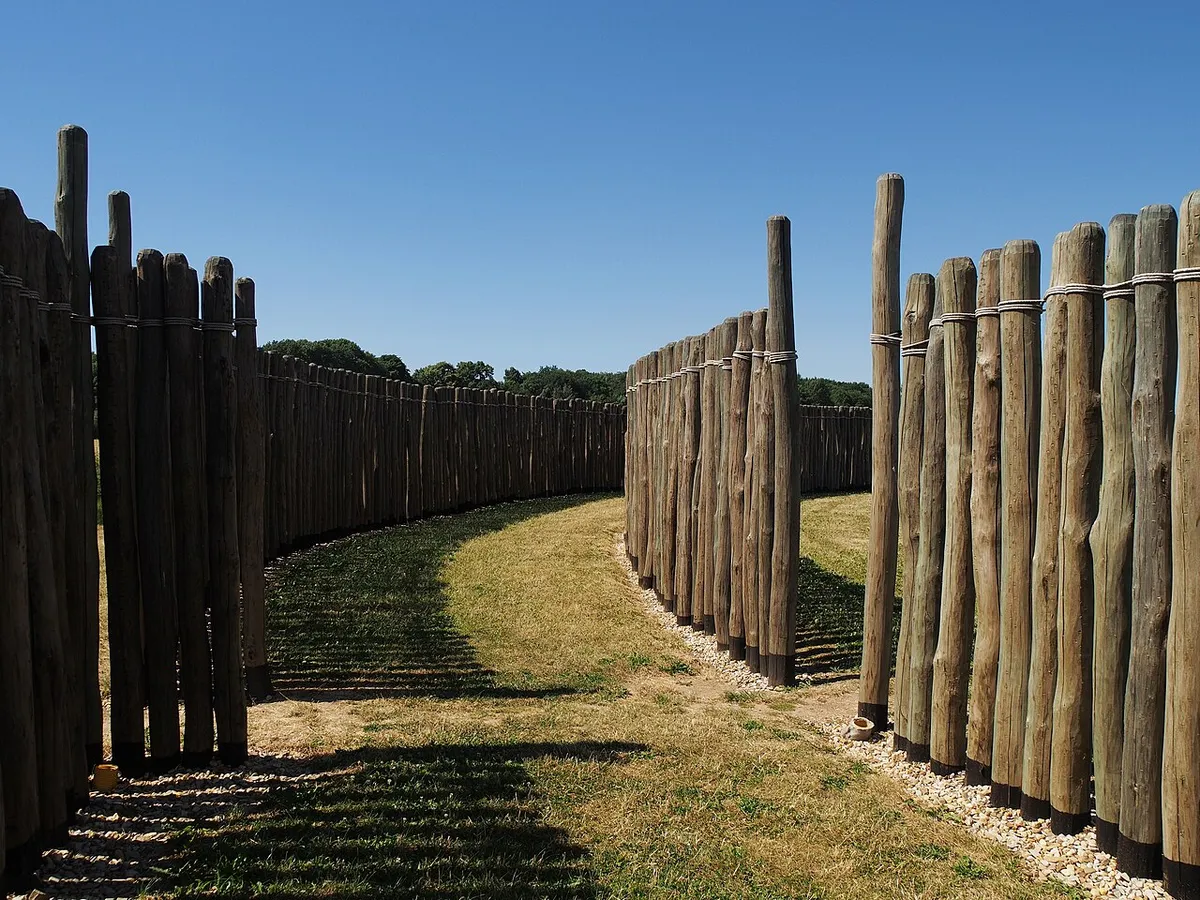
Goseck Circle, Germany

Image: Kreuzschnabel (CC BY-SA 3.0) via Wikimedia Commons

Goseck Circle

Saxony-Anhalt

The Goseck Circle is one of the oldest known solar observatories in the world. Built around 4900 BC during the Neolithic period, this circular earthwork consisted of ditches, wooden structures and gateways aligned with the movement of the sun.

The site provides evidence that prehistoric communities carefully observed astronomical cycles thousands of years before the construction of famous monuments such as Stonehenge.

Today visitors can walk around the reconstructed circle and learn about early European farming communities. Located in rural Saxony-Anhalt, it is a peaceful destination for travellers interested in ancient landscapes.

Best for: One of the world's oldest solar observatories.

Campsites nearby
Heuneburg Celtic Hillfort, Germany

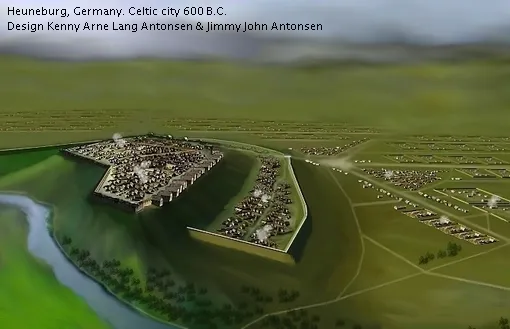
Image: Kenny Arne Lang Antonsen (CC BY-SA 4.0) via Wikimedia Commons

Heuneburg Celtic Hillfort

Baden-Württemberg

The Heuneburg is one of the most important Iron Age archaeological sites in Europe. Dating back more than 2,500 years, this fortified Celtic settlement was a major trading centre connected with the wider Mediterranean world.

Archaeologists have uncovered evidence of impressive fortifications, houses and burial sites showing that the settlement was far more advanced than once believed. The site provides a glimpse into Celtic society before Roman expansion.

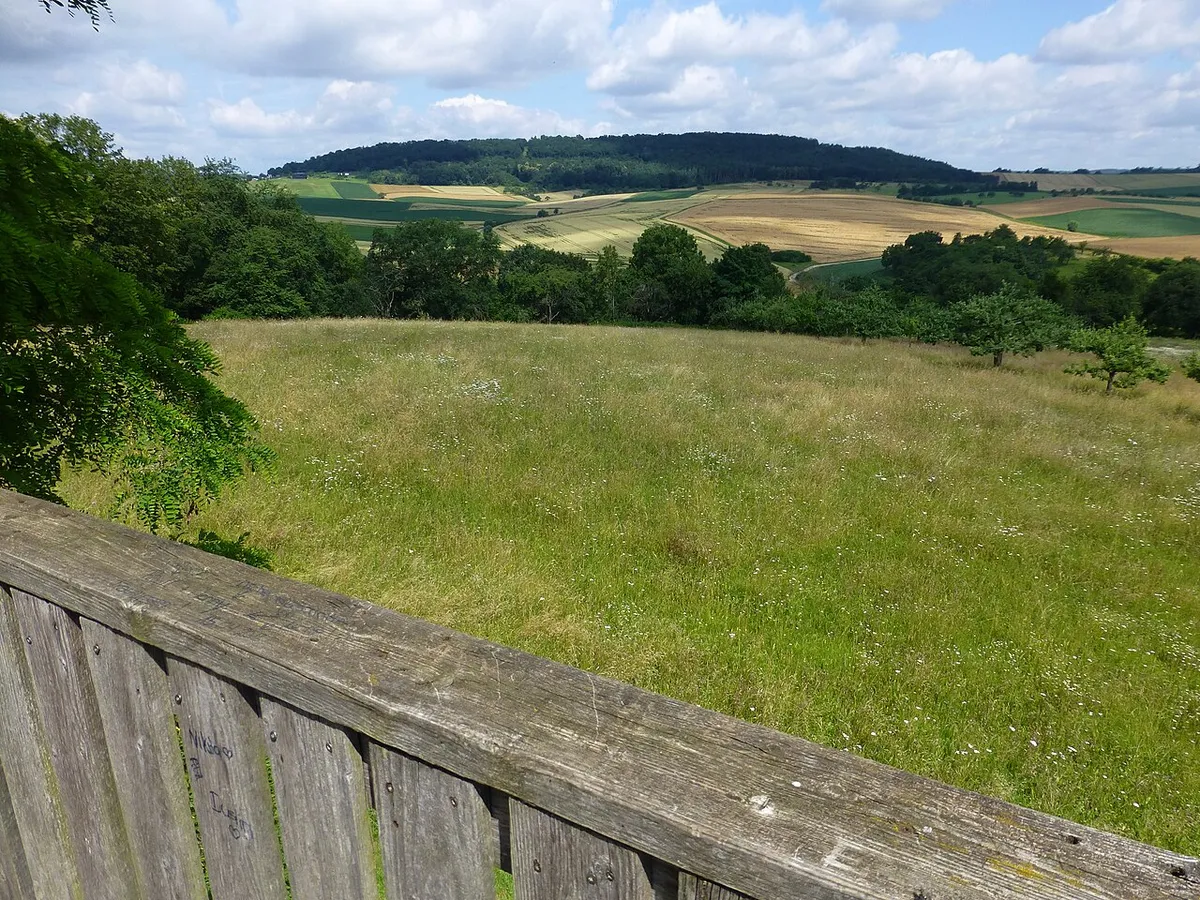
Visitors can explore reconstructed buildings, exhibitions and walking trails across the surrounding landscape. The hilltop location also provides excellent views over the Danube Valley.

Best for: Reconstructed Celtic buildings above the Danube.

Campsites nearby
Glauberg Celtic Site, Germany

Image: Muck (CC BY-SA 4.0) via Wikimedia Commons

Glauberg Celtic Site

Hesse

The Glauberg is one of Germany's most important Celtic archaeological discoveries. The site contains the remains of a fortified Iron Age settlement and the famous burial of the "Celtic Prince of Glauberg", discovered with remarkable grave goods.

The nearby archaeological park and museum explain the discoveries, including the famous sandstone statue of the Celtic warrior found at the site.

The hilltop setting provides panoramic views across the countryside, with walking routes allowing visitors to experience the landscape that once supported this important Celtic community.

Best for: The Celtic Prince burial and warrior statue.

Campsites nearby
Upper Germanic-Raetian Limes, Germany

Image: Stevie Heru (Xinas) (CC BY 4.0) via Wikimedia Commons

Upper Germanic-Raetian Limes

Baden-Württemberg, Bavaria, Hesse & Rhineland-Palatinate

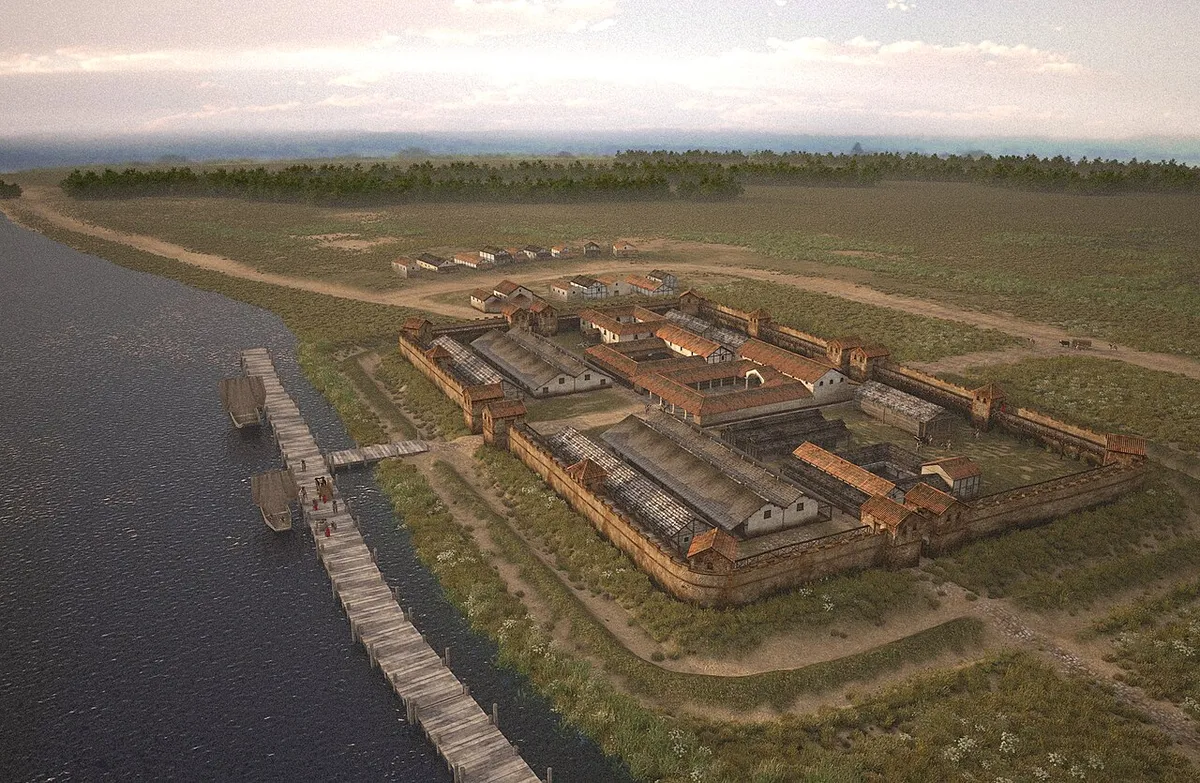
The Upper Germanic-Raetian Limes represents one of the Roman Empire's greatest frontier systems. Stretching hundreds of kilometres across modern Germany, it marked the boundary between Roman territory and the lands beyond.

The frontier included walls, watchtowers, forts and roads, showing how Rome controlled and defended its distant provinces. Today it is recognised as a UNESCO World Heritage Site.

Visitors can explore reconstructed forts, museums and walking routes following parts of the ancient frontier. The Limes is particularly suited to cyclists and hikers because it crosses forests, countryside and rural landscapes.

Best for: Long-distance walking along a UNESCO Roman frontier.

Saalburg Roman Fort, Germany

Image: en:User:Ekem (Public domain) via Wikimedia Commons

Saalburg Roman Fort

Hesse

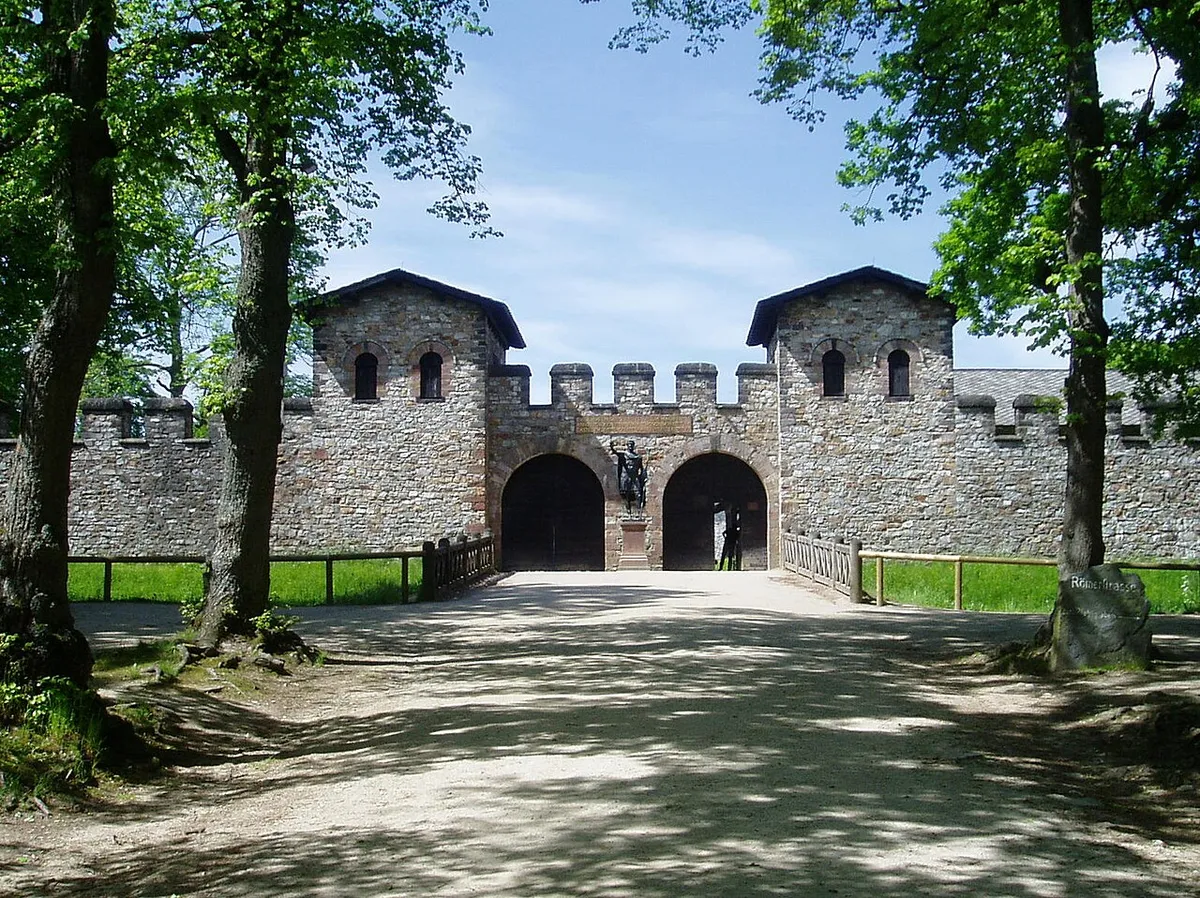
Located near Bad Homburg, the Saalburg is one of the best-preserved reconstructed Roman forts in Germany. Originally built along the Limes frontier, it has been carefully restored to show how Roman soldiers lived and worked.

Visitors can explore barracks, gates, defensive walls and archaeological collections containing weapons, tools and everyday objects from Roman military life.

The fort sits within the Taunus hills, making it a great combination of ancient history and outdoor adventure. Walking trails through the surrounding forests connect the site with viewpoints and natural landscapes.

Best for: A fully reconstructed Roman fort in the Taunus hills.

Campsites nearby
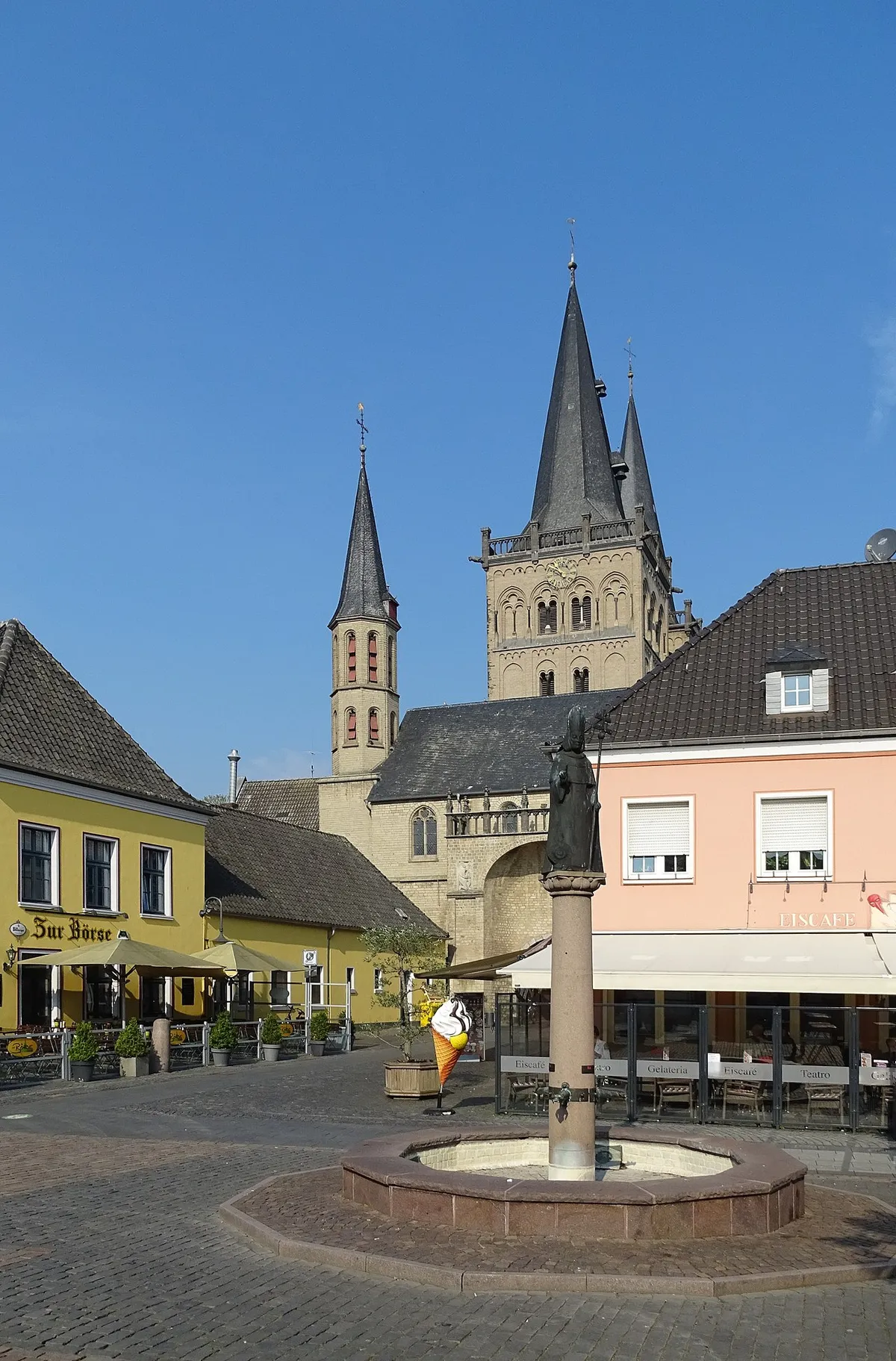
Xanten Roman Archaeological Park, Germany

Image: Ad Meskens You are free to use this picture for any purpose as long as you credit its author, Ad Meskens. Example: © Ad Meskens / Wikimedia Commons If you use this work outside of the Wikimedia projects, a message or a copy is very much appreciated. This image is not in the public domain. A statement such as ", coords: { lat: 51.662222, lng: 6.453889 }From Wikimedia Commons" or similar is not by itself sufficient. If you do not provide clear attribution to the author you do not comply with the terms of the file's license and you may not use this file. If you are unable or unwilling to provide attribution you should contact Ad Meskens to negotiate a different license. (CC BY-SA 4.0) via Wikimedia Commons

Xanten Roman Archaeological Park

North Rhine-Westphalia

The Archaeological Park at Xanten sits on the site of Colonia Ulpia Traiana, one of the most important Roman cities north of the Alps. Founded in the 1st century AD, it became a major centre of trade and military activity.

Today visitors can explore reconstructed Roman buildings, temples, city walls and an impressive amphitheatre. Unlike many archaeological sites where only foundations remain, Xanten allows visitors to experience a vivid recreation of Roman urban life.

The surrounding Lower Rhine landscape is ideal for cycling, with flat routes, riverside paths and nearby campsites making it a great destination for families and outdoor travellers.

Best for: A vivid reconstructed Roman city, great for families.

Kelheim Roman & Ancient Landscapes

Bavaria

The area around Kelheim contains layers of ancient history, from prehistoric settlements to Roman influence along the Danube frontier. The region's dramatic limestone landscapes and river valleys have attracted human settlement for thousands of years.

Nearby archaeological discoveries reveal the importance of the Danube as a route for trade, migration and military movement throughout history.

Visitors can combine ancient exploration with walking and cycling adventures through the Danube Gorge, one of Bavaria's most spectacular natural landscapes.

Best for: Ancient history in the spectacular Danube Gorge.

Campsites nearby

Find campsites near Germany's ancient sites and start exploring thousands of years of history with GoCastra.

Find campsites in Germany →

Looking for more? See more of Germany's historic sites →