Image: Amaustan (CC BY-SA 4.0) via Wikimedia Commons
Mont Saint-Michel
Normandy
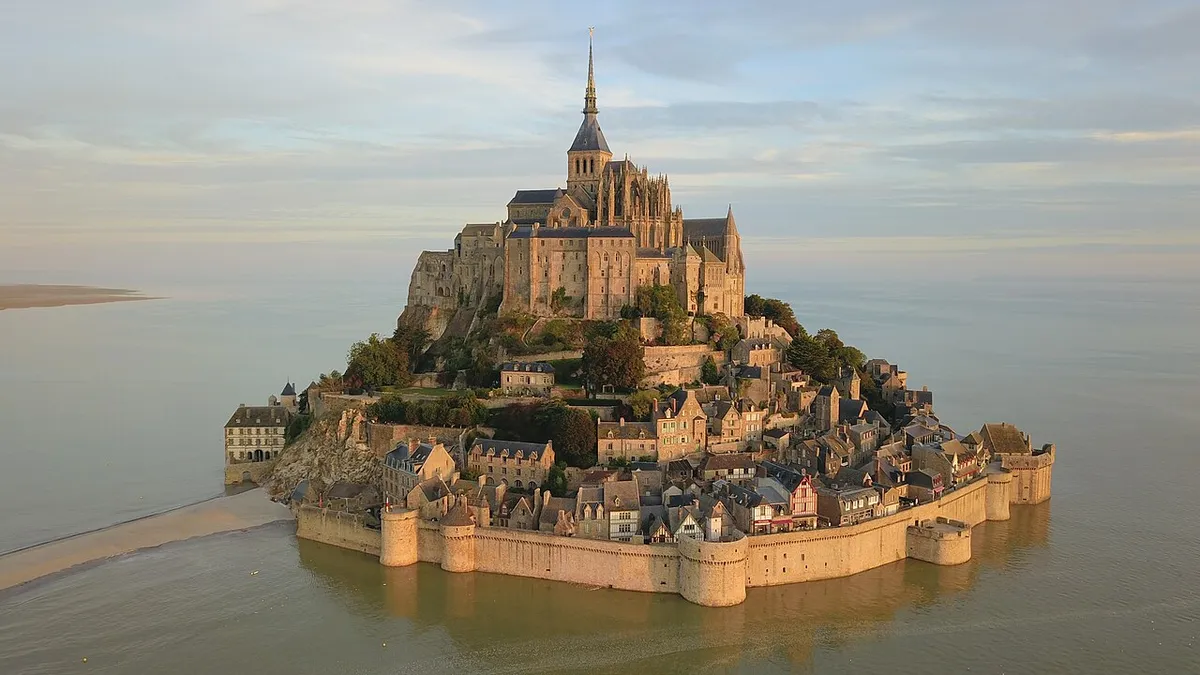
Rising dramatically from a tidal island on the Normandy coast, Mont Saint-Michel is one of Europe's most recognisable historic landmarks. For over a thousand years, this extraordinary medieval site has attracted pilgrims, monks, kings and travellers, thanks to its remarkable abbey and unique position between land and sea.
Visitors can explore the medieval streets climbing towards the abbey, walk the ancient ramparts and experience spectacular views as the tides transform the surrounding landscape. The Gothic abbey at the summit remains the highlight, with soaring halls, cloisters and centuries of religious history.
Mont Saint-Michel deserves its place among France's greatest landmarks because it combines architecture, history and nature in a way few places in Europe can match. The surrounding coastal paths and countryside also make it ideal for walkers and outdoor explorers.
Best for: Coastal walkers, tidal views and the Gothic abbey.
Image: Ali Sabbagh (CC0) via Wikimedia Commons
Notre-Dame Cathedral
Paris
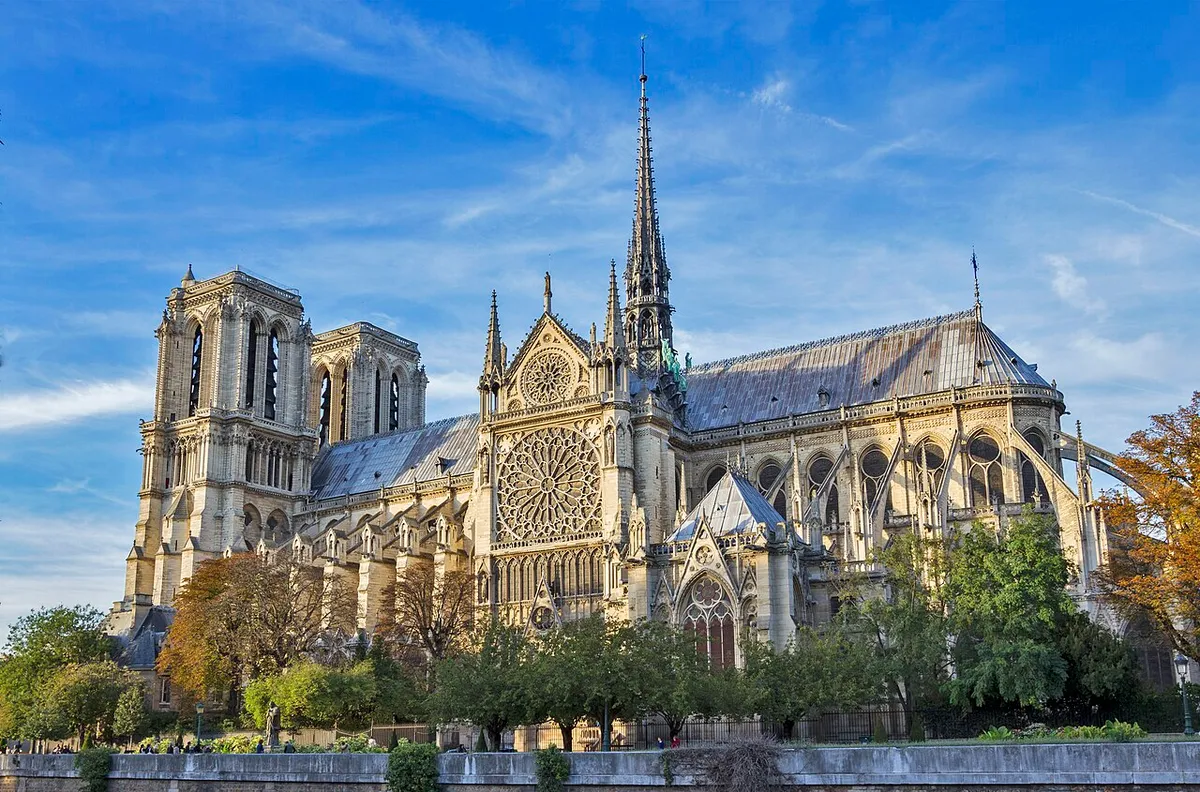
Notre-Dame is perhaps the most famous symbol of French Gothic architecture and one of the world's most celebrated cathedrals. Built on the Île de la Cité, it has witnessed centuries of French history, from royal ceremonies to major religious events.
Visitors can admire the cathedral's famous Gothic towers, rose windows and sculptures while exploring the surrounding historic heart of Paris. The nearby streets and riverbanks offer a journey through the medieval origins of the city.
Its importance goes beyond architecture. Notre-Dame represents French craftsmanship, religion and national identity, making it an essential landmark for anyone exploring France's history.
Nearby: Île de la Cité, the Seine riverbanks and old Paris.
Image: ToucanWings (CC BY-SA 3.0) via Wikimedia Commons
Palace of Versailles
Île-de-France
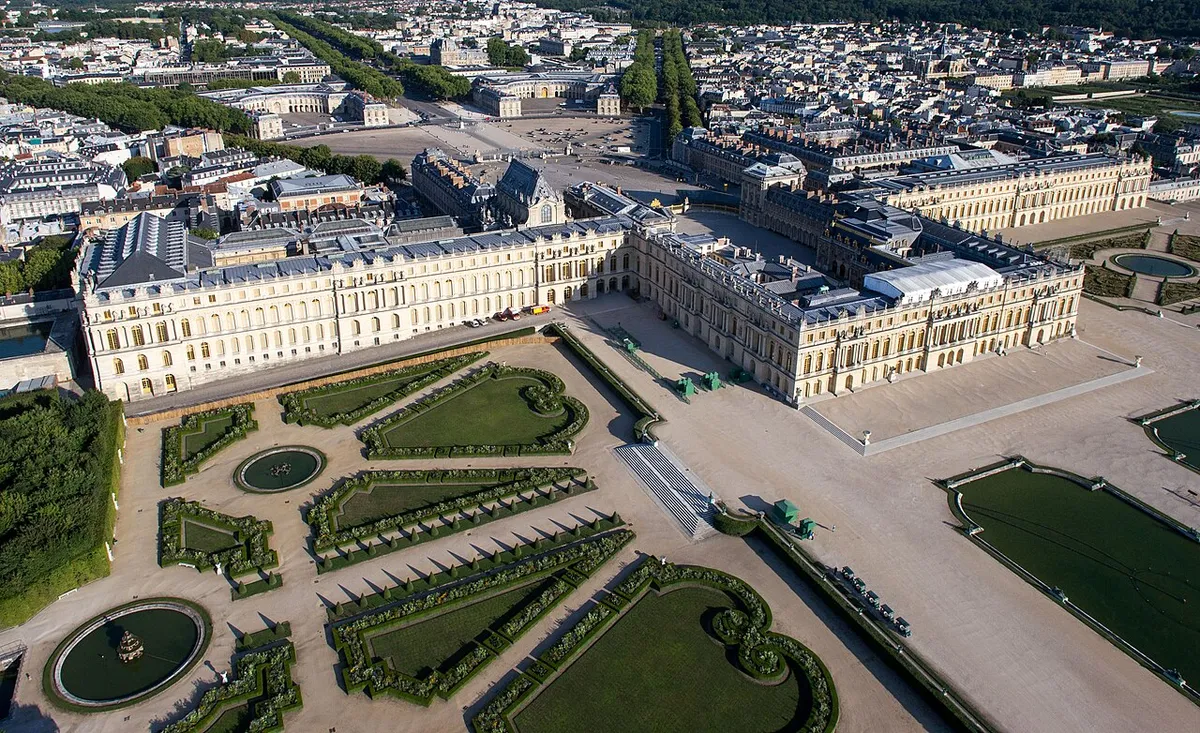
The Palace of Versailles represents the height of French royal power and one of the most ambitious architectural projects in European history. Originally a hunting lodge, it was transformed by Louis XIV into a spectacular palace designed to display the wealth and influence of the French monarchy.
Visitors can explore the Hall of Mirrors, royal apartments, gardens and enormous surrounding estate. Beyond the famous interiors, the gardens provide miles of pathways, fountains and woodland areas to explore.
Versailles deserves its place because it tells the story of France before the Revolution and remains one of the greatest examples of royal architecture anywhere in the world.
Best for: The Hall of Mirrors, estate gardens and woodland paths.
Image: Benh LIEU SONG (Flickr) (CC BY-SA 3.0) via Wikimedia Commons
Pont du Gard
Occitanie
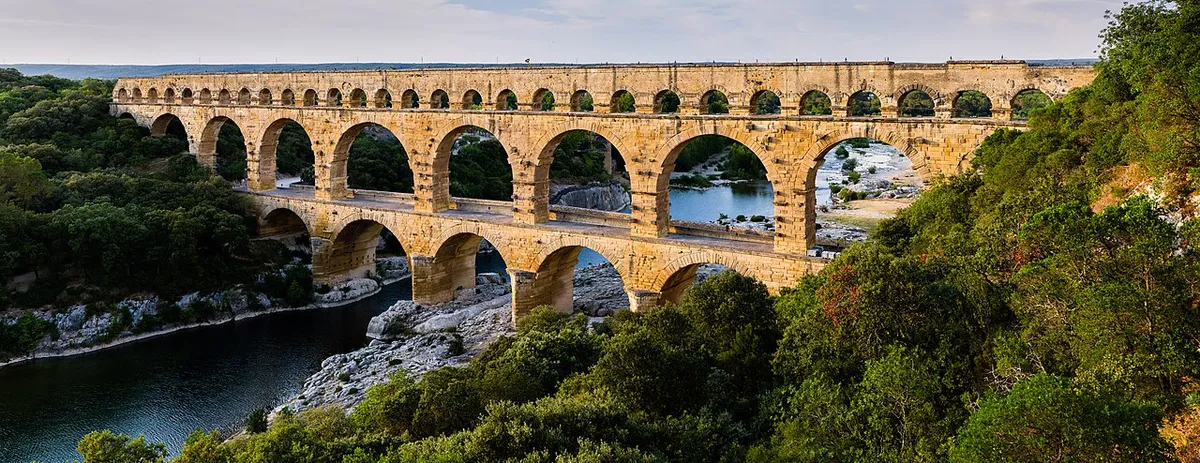
The Pont du Gard is one of France's greatest surviving Roman monuments and one of the finest examples of ancient engineering in Europe. Built nearly 2,000 years ago, this enormous aqueduct carried water across the Gardon Valley to supply the Roman city of Nemausus.
Visitors can walk across the surrounding trails, admire the three levels of ancient arches and swim or kayak in the river beneath the monument during warmer months.
Its combination of history, architecture and natural surroundings makes Pont du Gard perfect for outdoor travellers. Nearby walking routes, cycling paths and campsites allow visitors to experience Roman history alongside the landscapes of southern France.
Best for: River swimming, kayaking and Roman engineering.
Image: Gromelle Grand Angle (CC BY-SA 3.0) via Wikimedia Commons
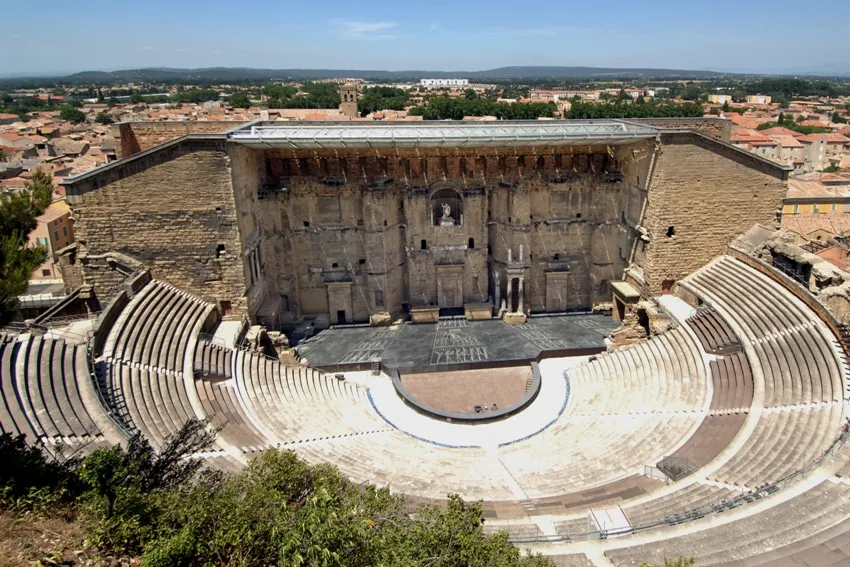
Roman Theatre of Orange
Provence-Alpes-Côte d'Azur
The Roman Theatre of Orange is one of the best-preserved ancient theatres in the world. Built during the reign of Emperor Augustus, it once hosted performances for thousands of Roman citizens and remains an extraordinary example of Roman cultural life.
Visitors can explore the enormous stage wall, seating areas and archaeological museum while imagining performances taking place nearly two thousand years ago.
Located among the vineyards and landscapes of Provence, the theatre works perfectly as part of a wider camping or cycling journey through southern France.
Nearby: Provence vineyards, cycling routes and campsites.
Image: Olvr (CC BY-SA 3.0) via Wikimedia Commons
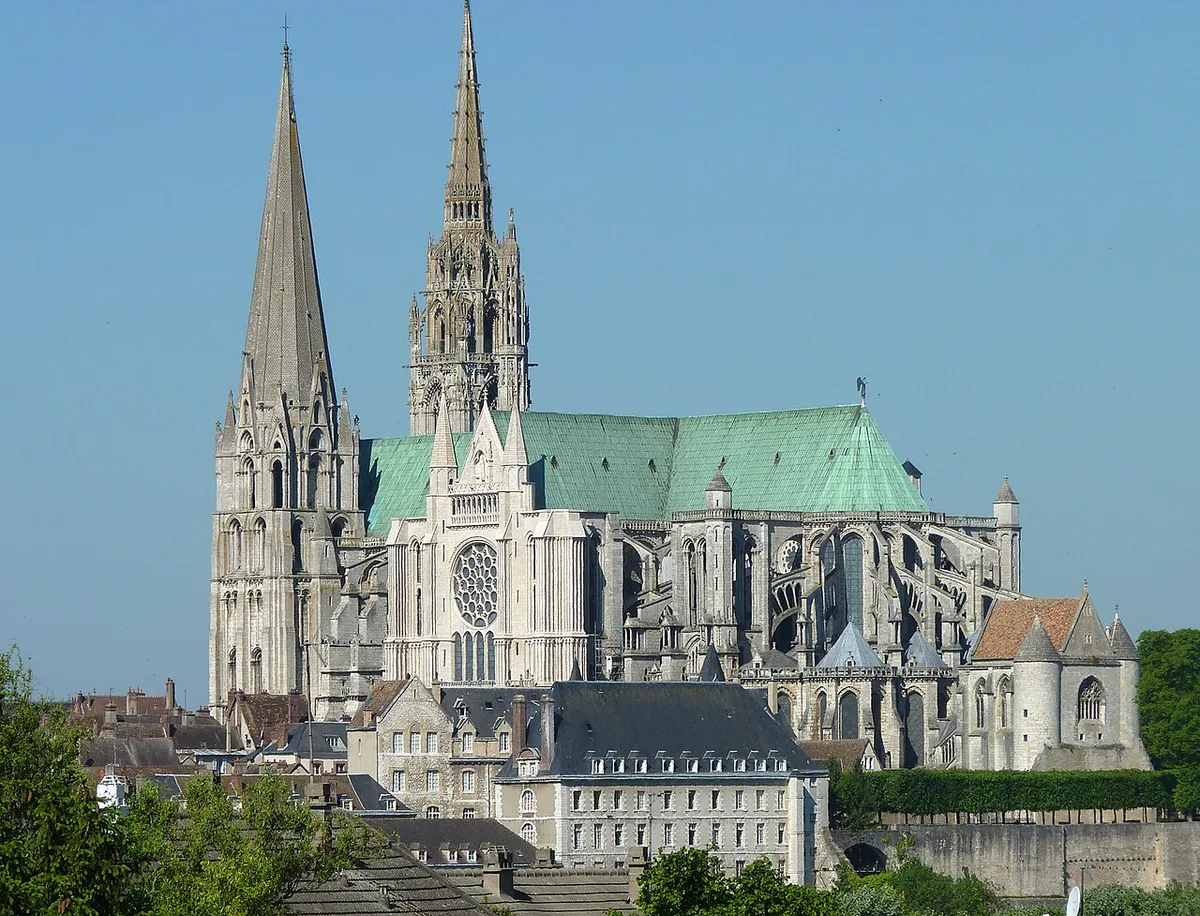
Chartres Cathedral
Centre-Val de Loire
Chartres Cathedral is considered one of the finest achievements of Gothic architecture. Built during the 12th and 13th centuries, it is famous for its remarkable stained-glass windows, sculptures and medieval design.
Visitors can explore the cathedral interior, admire the famous blue glass windows and follow walking routes through the historic town surrounding it.
Its preservation and artistic importance make Chartres one of France's essential historic landmarks, particularly for travellers exploring the Loire region.
Best for: Stained glass, Gothic architecture and the Loire region.
Image: Gennadii Saus i Segura (CC BY-SA 4.0) via Wikimedia Commons
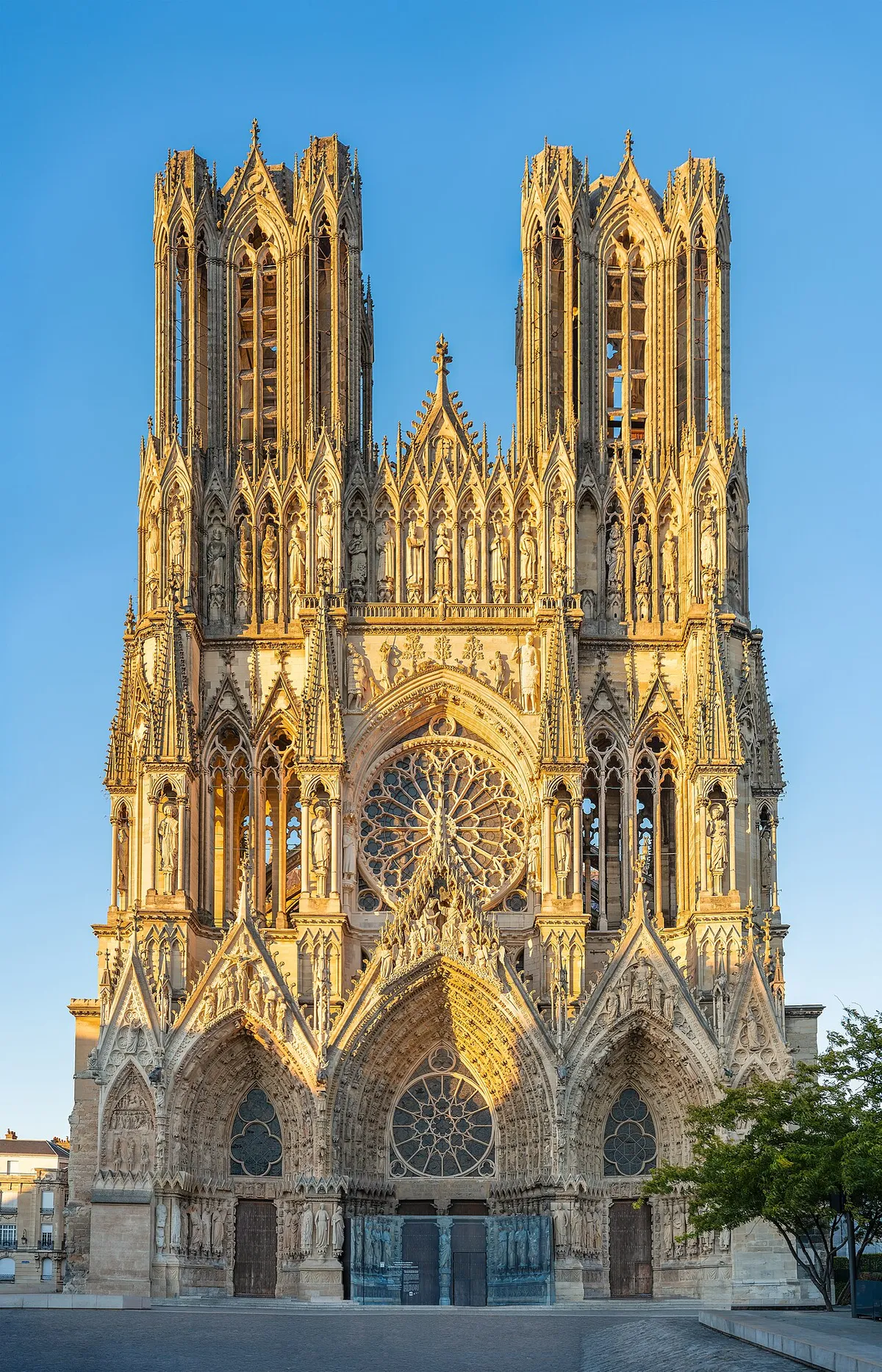
Reims Cathedral
Grand Est
Reims Cathedral holds a unique place in French history as the traditional coronation site of French kings for almost a thousand years. Its magnificent Gothic architecture reflects the importance of the monarchy and the power of medieval craftsmanship.
Visitors can explore the cathedral's enormous interior, detailed sculptures and surrounding historic centre.
Beyond its history, Reims is surrounded by the Champagne countryside, making it an excellent destination for cycling routes, vineyard walks and rural camping adventures.
Nearby: Champagne countryside, vineyard walks and cycling.
Image: Guilhem Vellut from Annecy, France (CC BY 2.0) via Wikimedia Commons
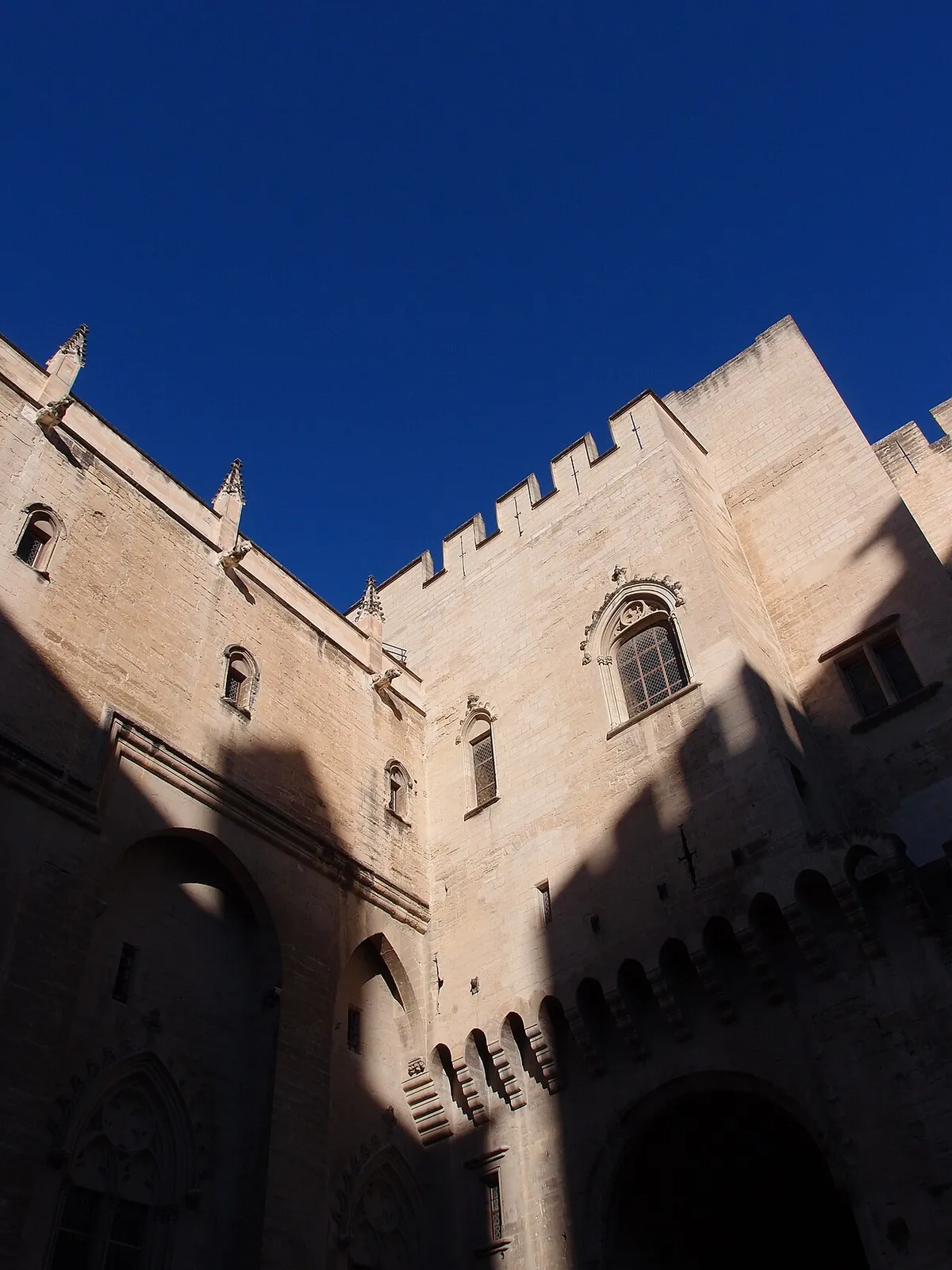
Palace of the Popes
Avignon, Provence-Alpes-Côte d'Azur
The Palace of the Popes in Avignon is the largest Gothic palace in Europe and one of France's most impressive medieval buildings. During the 14th century, Avignon became the centre of the Catholic Church when several popes lived there instead of Rome.
Visitors can explore vast halls, private apartments, towers and defensive walls that reveal the power of the medieval papacy.
Its location in Provence makes it ideal for combining history with cycling, vineyards, riverside walks and nearby campsites.
Nearby: Avignon, Provence vineyards and riverside walks.
Image: Benjamin Smith (CC BY-SA 4.0) via Wikimedia Commons
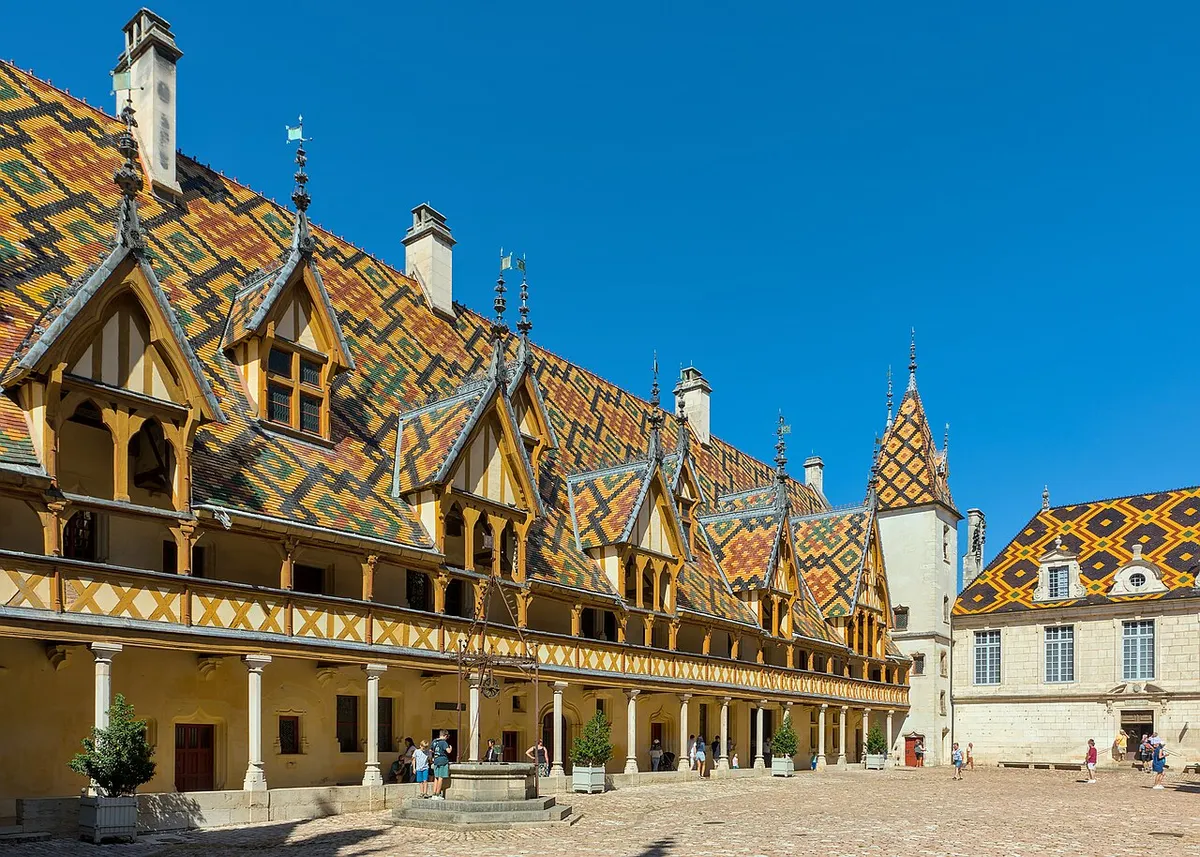
Hospices de Beaune
Burgundy
The Hospices de Beaune is one of France's most distinctive medieval buildings, famous for its colourful tiled roof and fascinating history as a charitable hospital founded in the 15th century.
Visitors can explore the former hospital rooms, artwork and historic collections while discovering the surrounding wine region.
Its location makes it a perfect stop for slow travellers exploring Burgundy by bike, campervan or walking route.
Best for: Burgundy wine region touring by bike or campervan.
Image: Chensiyuan (CC BY-SA 4.0) via Wikimedia Commons
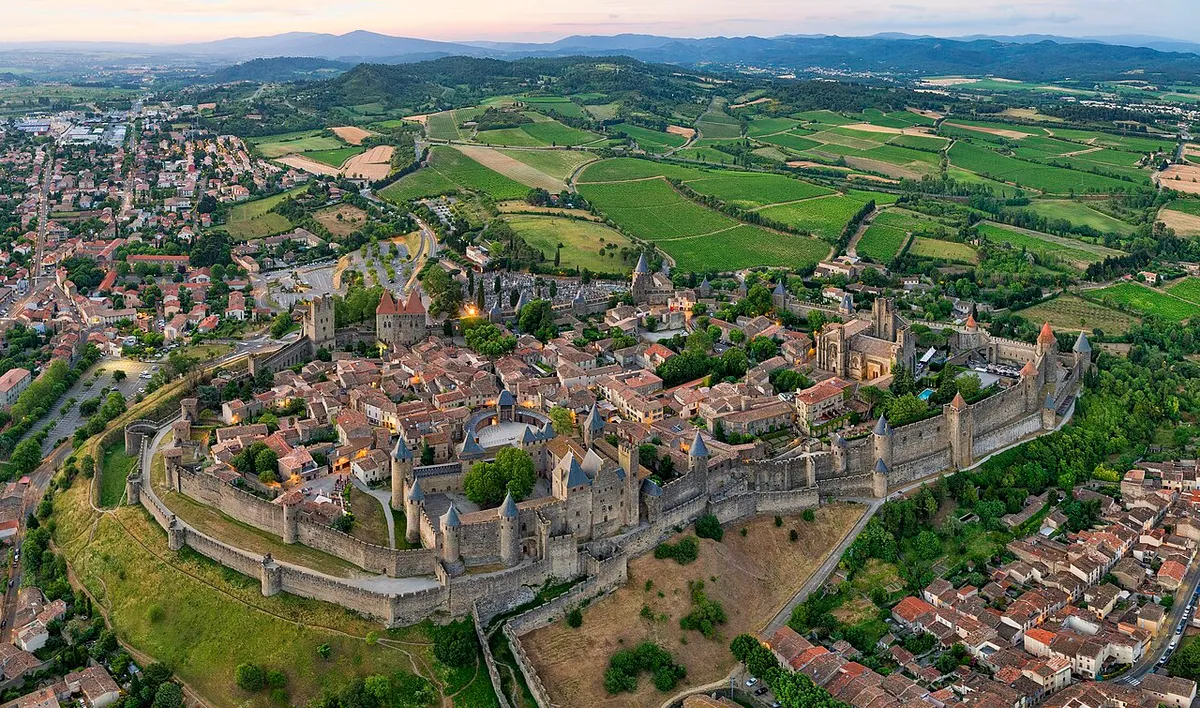
Cité de Carcassonne
Occitanie
The medieval city of Carcassonne is one of Europe's most spectacular fortified settlements. Its double walls, towers and narrow streets create an almost perfectly preserved medieval atmosphere.
Visitors can walk the ramparts, explore the castle and discover centuries of history connected with medieval conflicts and the powerful Counts of Carcassonne.
Surrounded by countryside, vineyards and cycling routes, Carcassonne is one of France's best historic destinations for outdoor travellers.
Nearby: Occitanie vineyards, ramparts and cycling routes.