France's Best Castles

From medieval hilltop fortresses to magnificent Renaissance palaces, discover the châteaux that shaped French history.

Château de Chambord, Loire Valley Image: Carsten Steger (CC BY-SA 4.0) via Wikimedia Commons

France is a country where history is carved into the landscape. Across mountains, forests, river valleys and ancient towns stand thousands of castles telling stories of medieval kings, powerful nobles, religious conflicts and architectural ambition.

From imposing fortresses built to defend kingdoms to elegant Renaissance châteaux surrounded by gardens and countryside, France's castles offer some of Europe's most rewarding historic adventures.

Many are located close to walking trails, cycling routes and campsites, making them ideal destinations for travellers exploring France outdoors.

Château de Chambord, France

Image: Carsten Steger (CC BY-SA 4.0) via Wikimedia Commons

Château de Chambord

Loire Valley

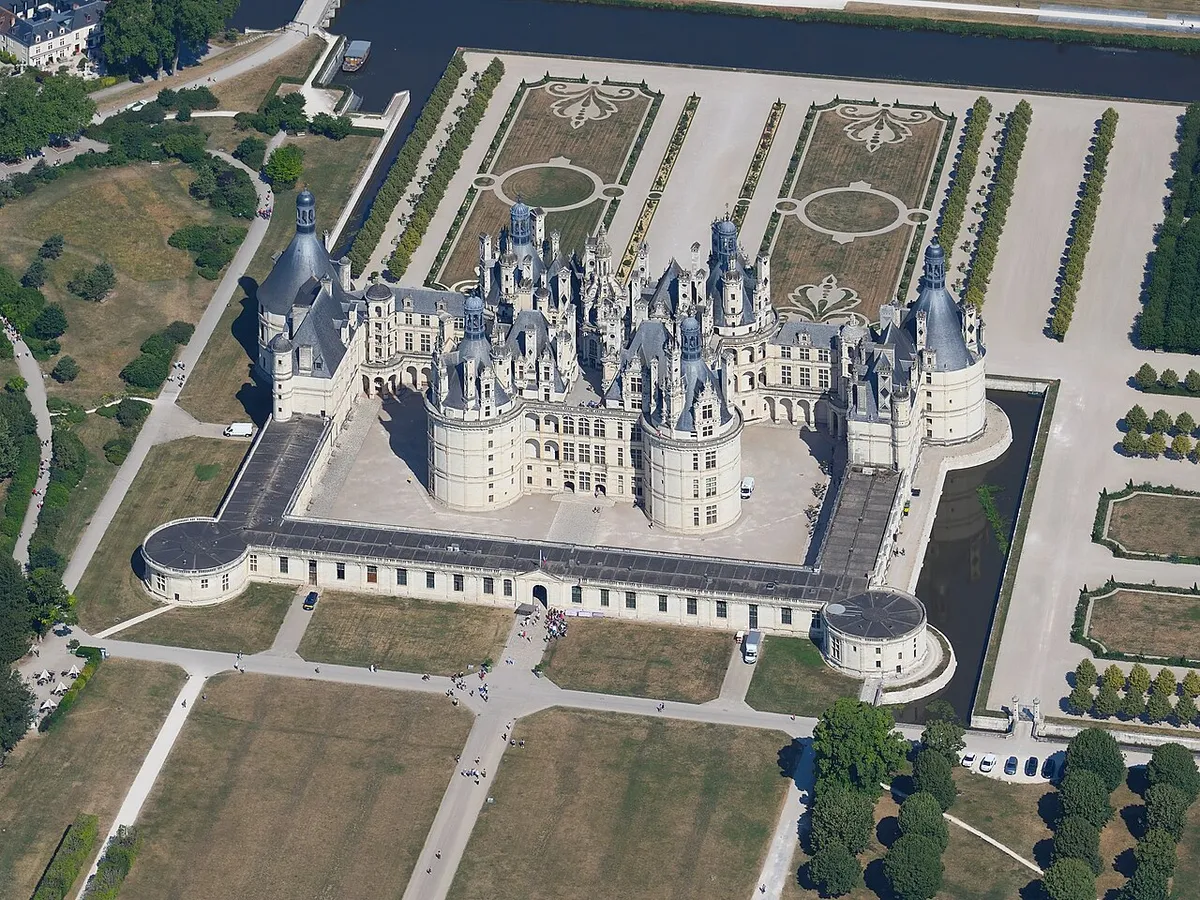
Few castles represent the grandeur of France quite like Château de Chambord. Built in the early 16th century for King Francis I, this enormous Renaissance masterpiece was designed to showcase royal power and artistic ambition rather than simply serve as a defensive fortress. Set within one of Europe's largest enclosed forests, Chambord combines French medieval traditions with Italian Renaissance influences.

Visitors can explore hundreds of rooms, climb the famous double-helix staircase often linked to Leonardo da Vinci, and walk across terraces overlooking the surrounding countryside. The castle's scale is extraordinary, with its forest-like skyline of towers, chimneys and turrets creating one of France's most recognisable views.

Chambord deserves its place among France's greatest castles because it represents the transformation of French castles from military strongholds into symbols of royal influence. The surrounding woodland also makes it ideal for cycling, wildlife watching and slow exploration away from busy cities.

Perfect for: Renaissance architecture, forest cycling and slow exploration.

Explore Château de Chambord →
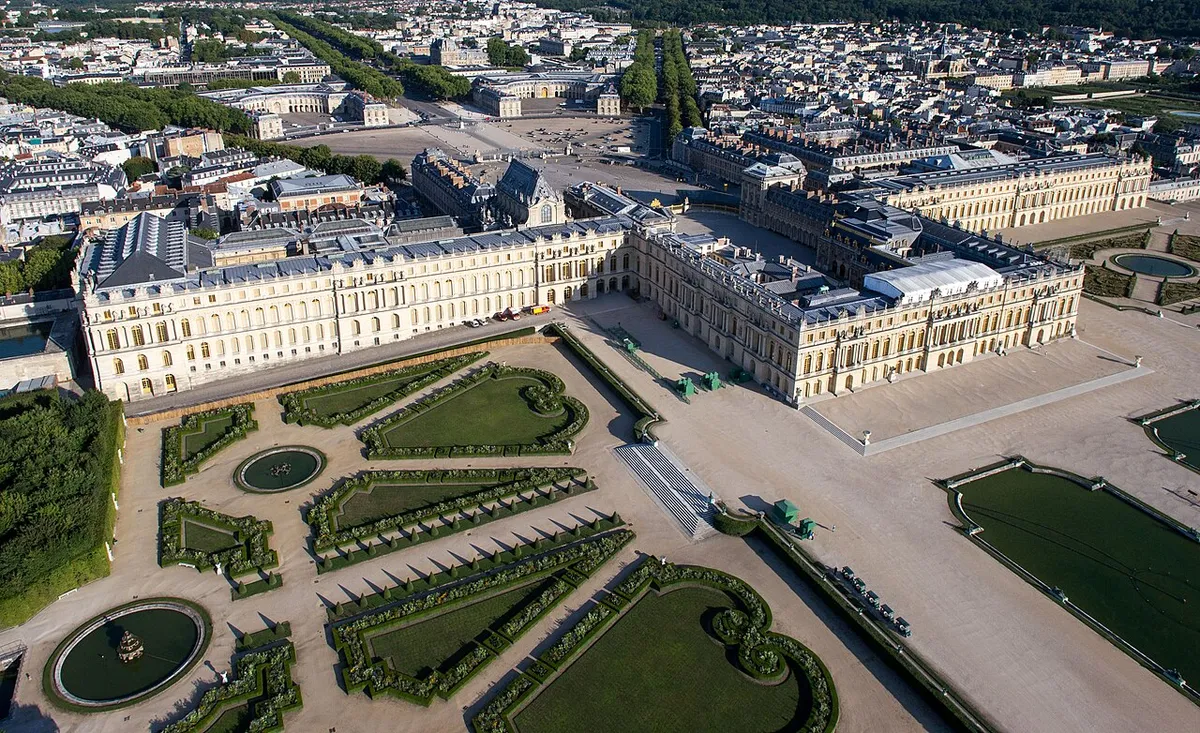
Château de Versailles, France

Image: ToucanWings (CC BY-SA 3.0) via Wikimedia Commons

Château de Versailles

Île-de-France

The Palace of Versailles is one of the most famous royal residences in the world and a symbol of the absolute power of the French monarchy. Originally a hunting lodge for Louis XIII, it was transformed by Louis XIV into an enormous palace designed to place the French king at the centre of European politics.

Visitors can explore the Hall of Mirrors, royal apartments, ornate gardens and the vast estate surrounding the palace. Beyond the famous interiors, the gardens themselves are an attraction, with fountains, woodland paths and carefully designed landscapes stretching for miles.

Versailles is essential because it tells the story of France's monarchy, its culture and its political ambitions before the Revolution. Although located near Paris, it can also form part of a wider cycling or camping itinerary through the surrounding Île-de-France countryside.

Nearby: Paris, Île-de-France cycling routes and estate gardens.

Explore Château de Versailles →
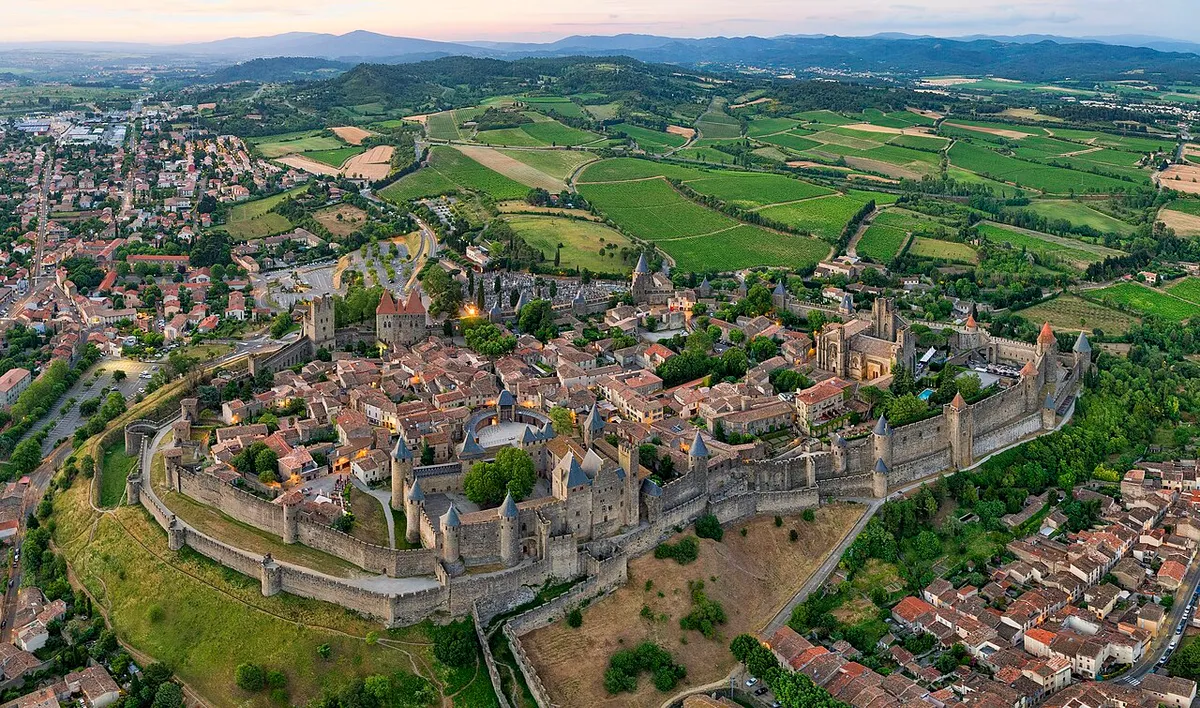
Château de Carcassonne, France

Image: Chensiyuan (CC BY-SA 4.0) via Wikimedia Commons

Château de Carcassonne

Occitanie

Rising above the medieval city of Carcassonne, this enormous fortified castle is one of Europe's most dramatic examples of medieval defensive architecture. Its double walls, towers and battlements appear almost unchanged from a storybook fortress, although much of the site was restored during the 19th century.

The castle played a major role during the medieval conflicts between the French crown and the Cathar movement. Its strategic position allowed it to control important routes through southern France and protect the surrounding region.

Visitors can walk the fortified walls, explore towers and gates, and wander through the medieval streets below. The surrounding countryside of Occitanie is perfect for outdoor travellers, with vineyards, hiking trails and campsites nearby.

Perfect for: A complete medieval experience, vineyards and hiking trails.

Explore Château de Carcassonne →
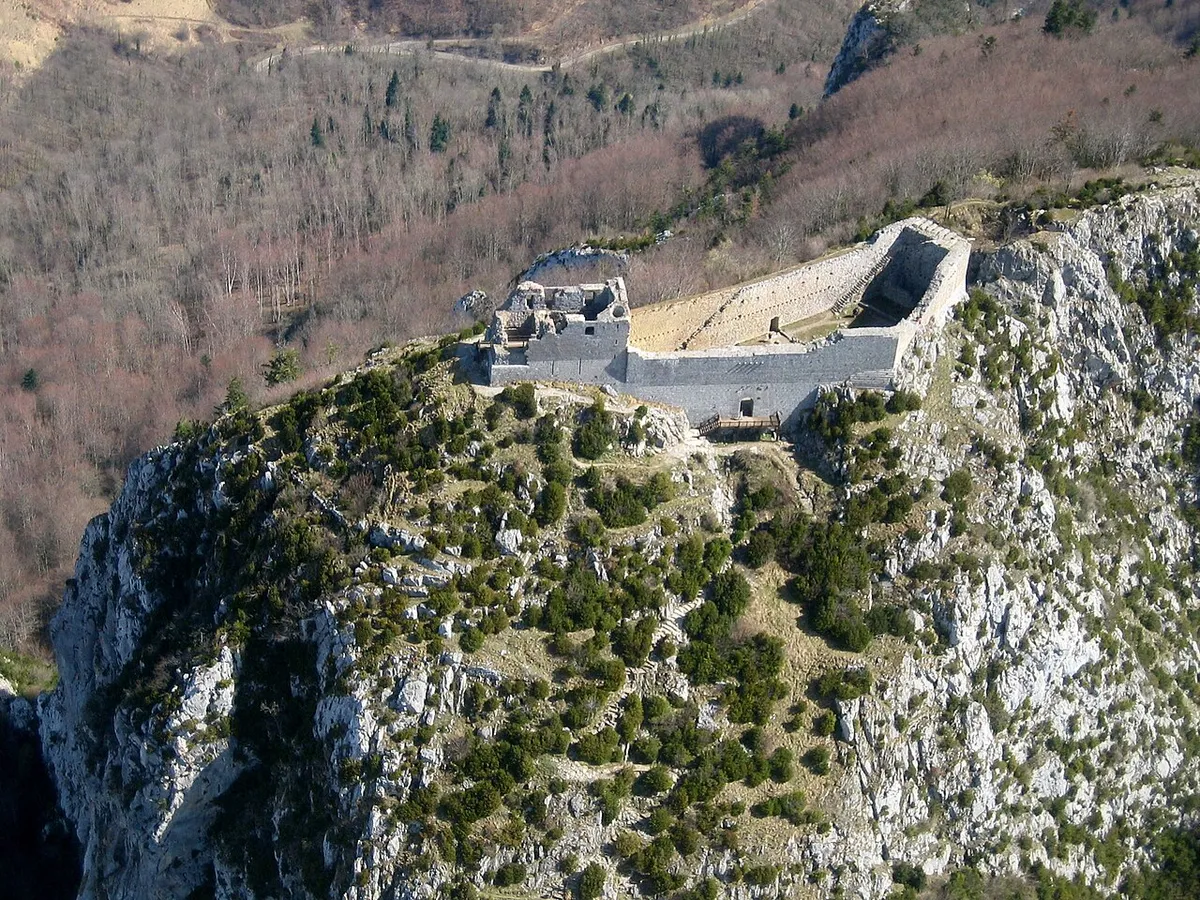
Château de Montségur, France

Image: MDanis (CC BY-SA 3.0) via Wikimedia Commons

Château de Montségur

Ariège, Occitanie

Perched dramatically on a rocky mountain summit, Château de Montségur is one of France's most atmospheric castles. Originally associated with the Cathars, a medieval Christian movement considered heretical by the Catholic Church, it became the site of one of the most famous sieges in French medieval history.

The climb to the castle is part of the experience. Visitors hike uphill through the rugged Ariège landscape before reaching the ruins and enjoying panoramic views over the Pyrenees foothills.

Although less complete than France's grand royal castles, Montségur offers something different: wilderness, mystery and a powerful connection between history and landscape. It is a perfect destination for walkers and outdoor adventurers.

Best for: Walkers, Pyrenees views and atmospheric ruins.

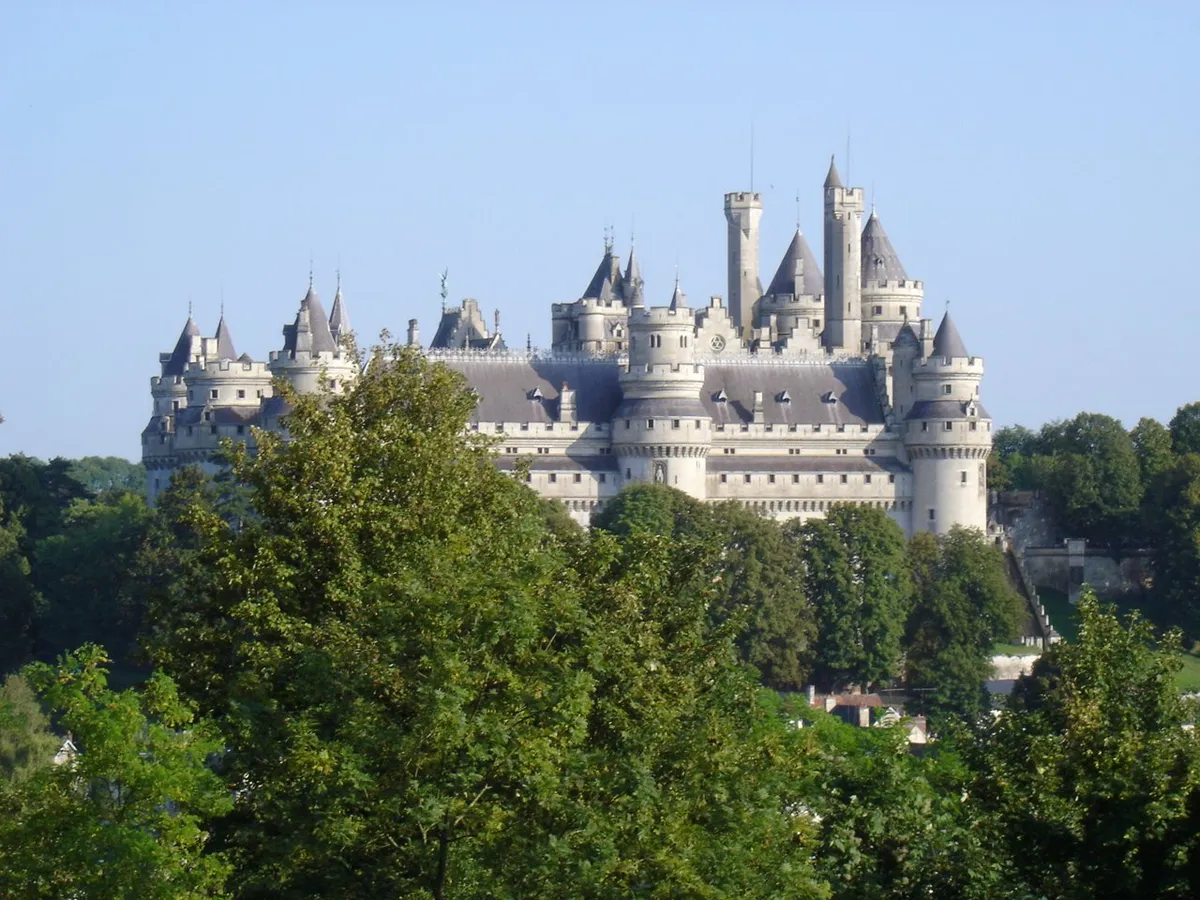
Château de Pierrefonds, France

Image: Wikimedia Commons (FAL)

Château de Pierrefonds

Hauts-de-France

Standing beside the forests of Compiègne, Château de Pierrefonds looks like a medieval fortress from a fantasy film. Originally built in the Middle Ages, it was restored in the 19th century under Napoleon III and architect Eugène Viollet-le-Duc.

The result is a spectacular blend of medieval architecture and romantic restoration. Visitors can explore towers, courtyards, defensive walls and richly decorated interiors.

Pierrefonds is particularly appealing for outdoor travellers because of its location beside woodland trails and cycling routes. It combines easily with exploring the wider forests and historic villages of northern France.

Nearby: Forest of Compiègne, woodland trails and cycling routes.

Explore Château de Pierrefonds →
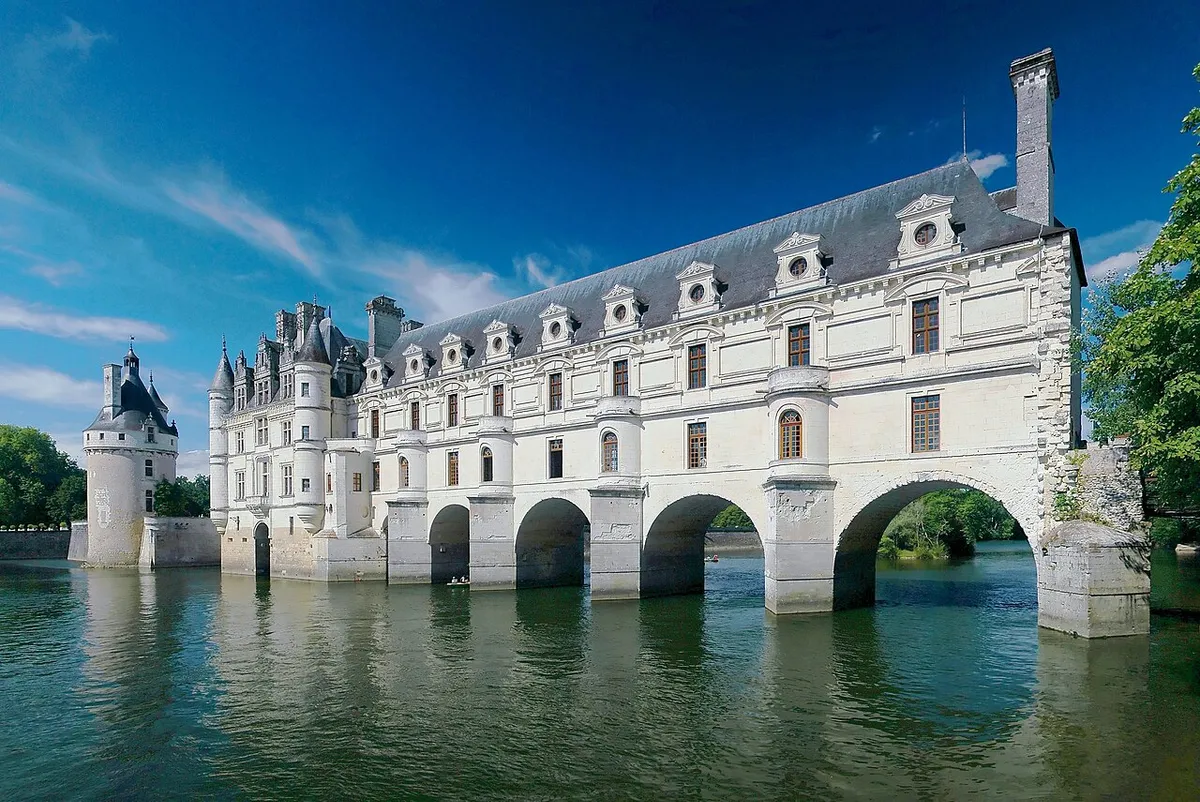
Château de Chenonceau, France

Image: It is a derivative work of Ra-smit's photo. (GFDL) via Wikimedia Commons

Château de Chenonceau

Loire Valley

Known as the "Ladies' Castle" because of the influential women who shaped its history, Château de Chenonceau is one of France's most elegant castles. Built across the River Cher, its distinctive arches create one of the country's most photographed castle scenes.

The castle's history includes powerful figures such as Diane de Poitiers and Catherine de' Medici, who transformed Chenonceau into a centre of Renaissance culture and influence.

Visitors can explore beautifully decorated rooms, gardens and riverside paths. The surrounding Loire Valley is one of Europe's best cycling regions, making Chenonceau an ideal stop on an outdoor castle adventure.

Perfect for: Loire Valley cycling, gardens and riverside walks.

Explore Château de Chenonceau →
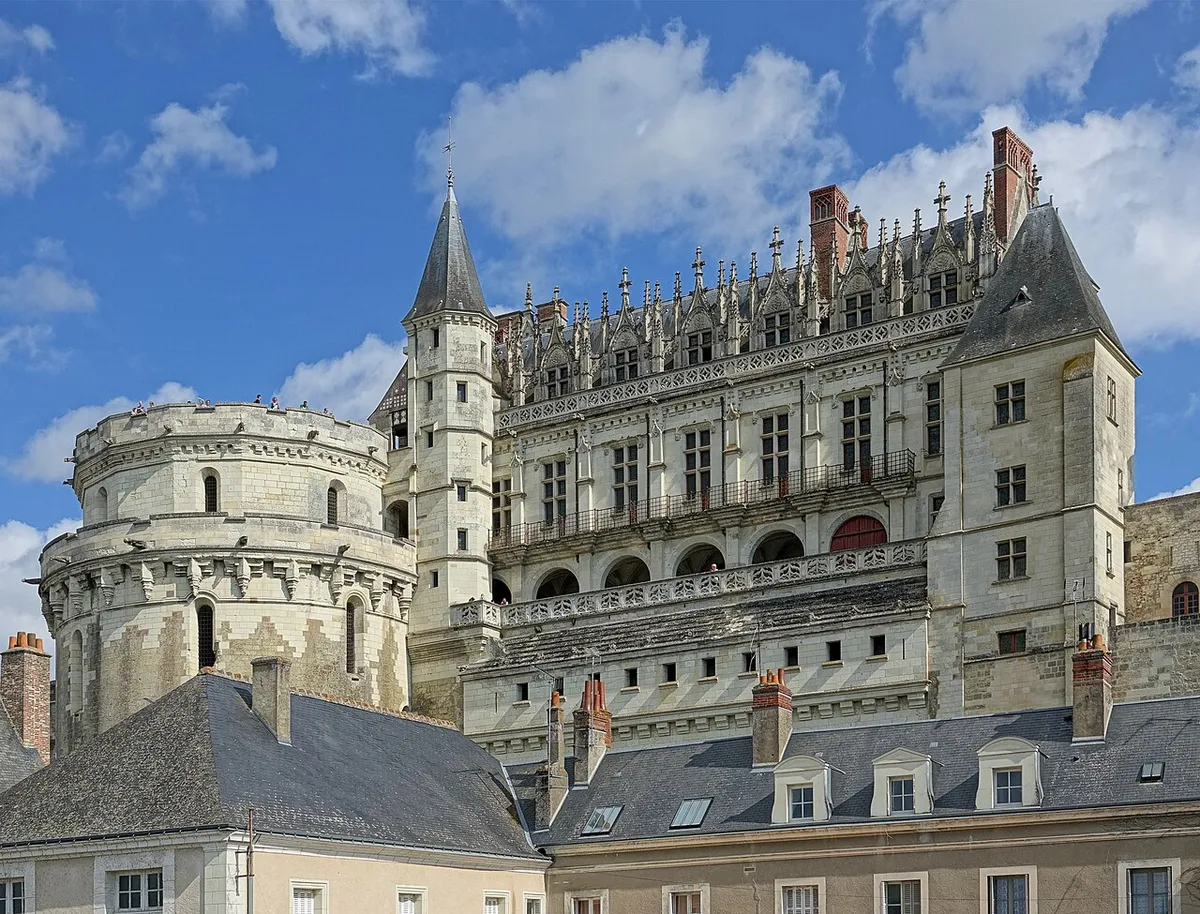
Château d'Amboise, France

Image: Gzen92 (CC BY-SA 4.0) via Wikimedia Commons

Château d'Amboise

Loire Valley

Overlooking the Loire River, Château d'Amboise was a favourite residence of French kings during the Renaissance. Its royal connections include Charles VIII and Francis I, who brought artists and thinkers from across Europe to the French court.

The castle is also famous for its connection to Leonardo da Vinci, whose final resting place is located in the castle chapel after spending his final years nearby at Clos Lucé.

Visitors can explore terraces with spectacular river views, historic rooms and gardens. Its location makes it perfect for combining with cycling routes through the Loire Valley vineyards and countryside.

Nearby: Clos Lucé, Loire Valley vineyards and cycling routes.

Château d'If, France

Image: Marian78ro (CC BY-SA 4.0) via Wikimedia Commons

Château d'If

Marseille, Provence

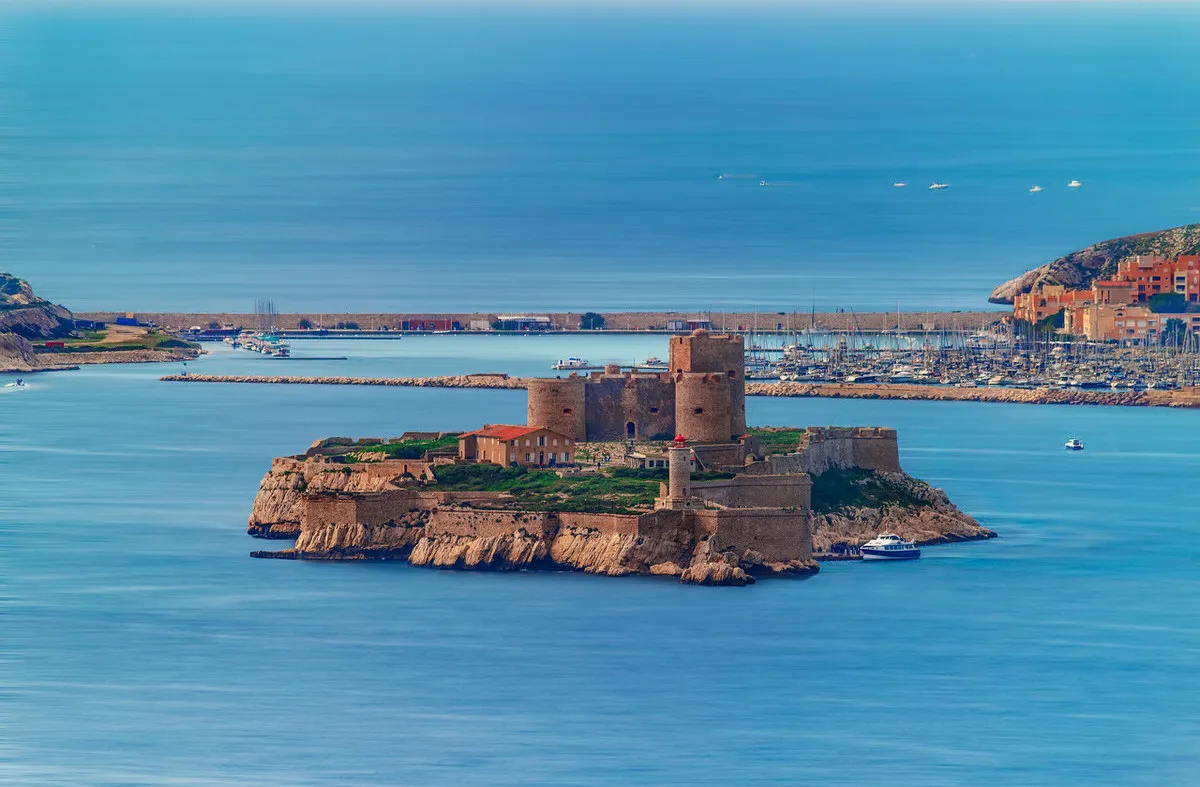
Built on a small island just off the coast of Marseille, Château d'If is one of France's most unusual fortresses. Constructed in the 16th century to defend Marseille, it later became a notorious prison.

Its fame grew after appearing in Alexandre Dumas' novel The Count of Monte Cristo, where it became the fictional home of the imprisoned hero Edmond Dantès.

Visitors reach the castle by boat from Marseille and can explore the fortress cells, walls and sea views. It is a fantastic addition to coastal camping trips through Provence, combining history with beaches, hiking and Mediterranean landscapes.

Best for: Coastal camping, beaches and Mediterranean history.

Château de Bonaguil, France

Image: otfl (Public domain) via Wikimedia Commons

Château de Bonaguil

Lot-et-Garonne

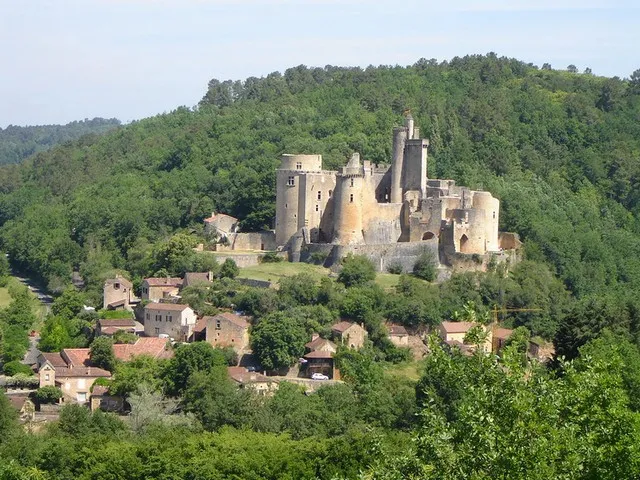
Hidden among the countryside of southwestern France, Château de Bonaguil is considered one of the last great medieval castles built in France. Constructed during a period when castles were becoming less important militarily, it represents the peak of defensive medieval design.

Its towers, underground passages and complex fortifications create one of the most impressive castle experiences in rural France.

Because of its remote countryside location, Bonaguil is especially suited to campers and slow travellers exploring the villages, forests and cycling routes of southwest France.

Perfect for: Rural touring, villages and cycling routes of southwest France.

Château de Haut-Kœnigsbourg, France

Image: Gzen92 (CC BY-SA 4.0) via Wikimedia Commons

Château de Haut-Kœnigsbourg

Alsace

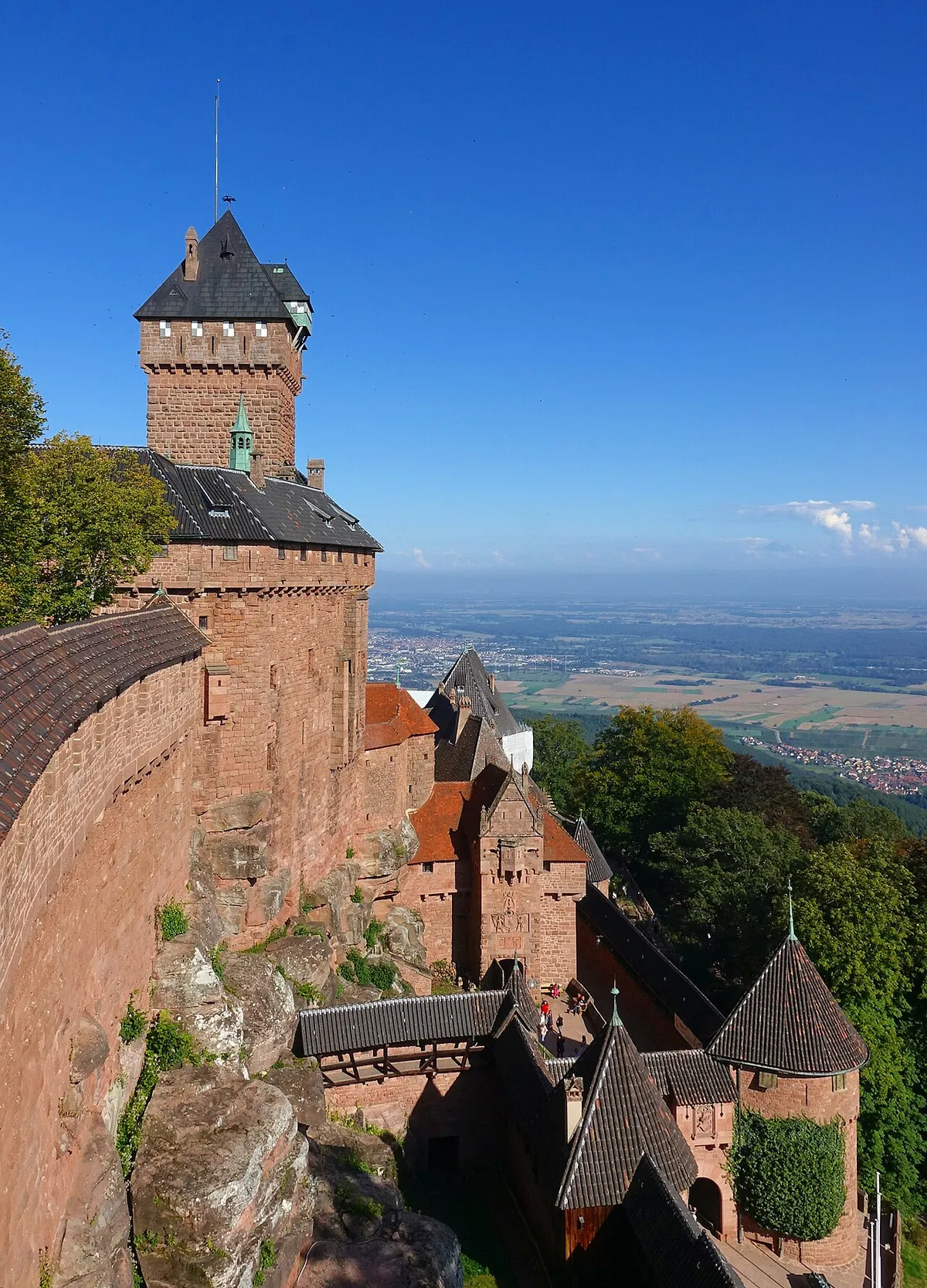
Located high above the Alsatian plains, Château de Haut-Kœnigsbourg is one of France's most spectacular hilltop castles. Originally a medieval fortress, it was restored in the early 20th century and now provides visitors with a remarkable journey into medieval castle life.

The views are one of the highlights, stretching across vineyards, forests and towards the Black Forest mountains.

Its location makes it ideal for combining with hiking trails through the Vosges Mountains, wine routes and nearby campsites.

Nearby: Vosges Mountains, Alsace wine route and hiking trails.

Explore Château de Haut-Kœnigsbourg →

Find campsites near France's greatest castles and start planning your historic outdoor adventure with GoCastra.

Find campsites in France →

Looking for more? See more of France's historic sites →