Image: Steffen Heilfort (CC BY-SA 3.0) via Wikimedia Commons
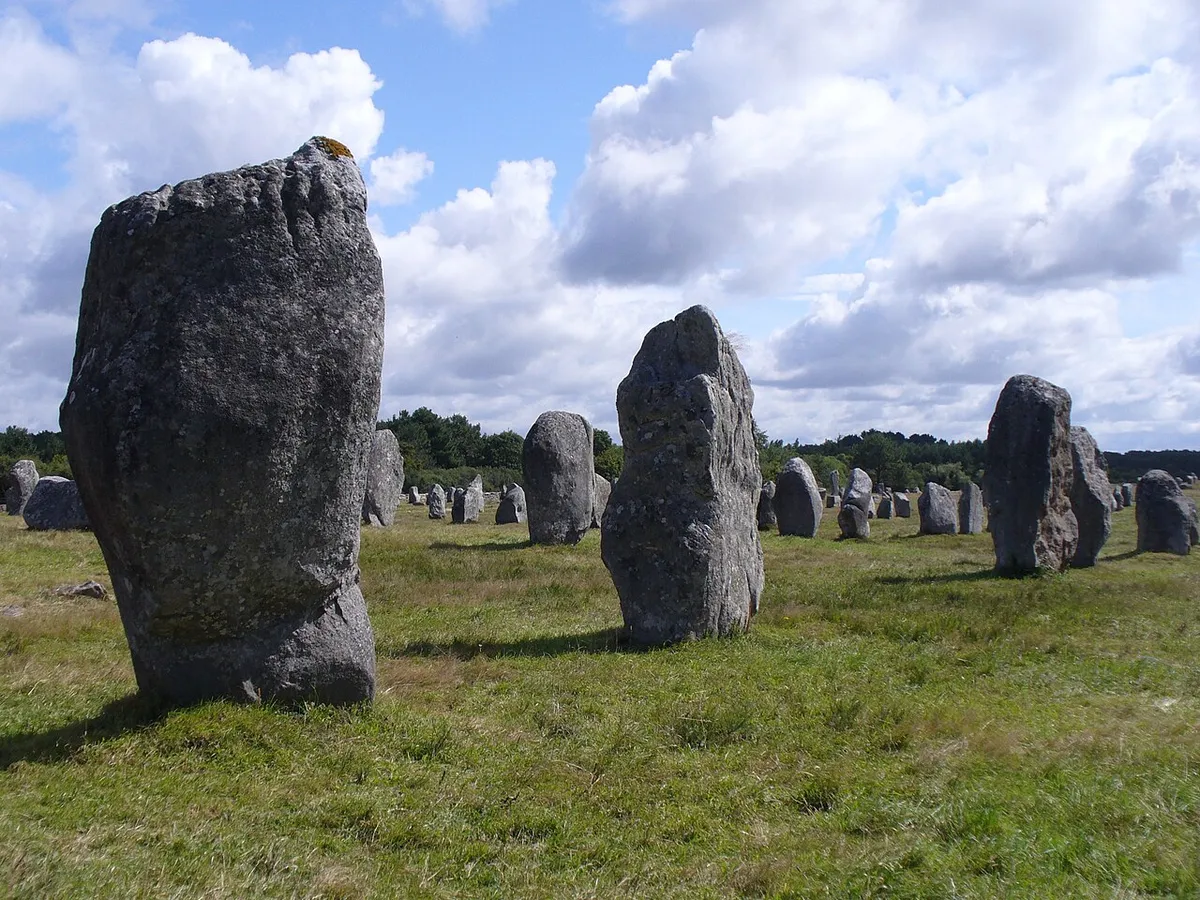
Carnac Stones
Brittany
The Carnac Stones are among Europe's greatest prehistoric mysteries. Stretching across the Brittany countryside, more than 3,000 standing stones were placed here thousands of years ago by Neolithic communities, long before the rise of the Roman Empire.
The purpose of the stones remains debated, with theories ranging from religious ceremonies and astronomical observations to territorial markers. Visitors can explore several alignments, walking routes and visitor centres that explain the incredible scale of this ancient landscape.
Carnac deserves its place among France's greatest ancient sites because it provides a rare connection to prehistoric Europe. The surrounding coastline, beaches and countryside trails also make it a perfect destination for outdoor travellers.
Best for: Prehistoric alignments, Brittany beaches and coastal trails.
Image: Pierre F631 (CC BY-SA 4.0) via Wikimedia Commons
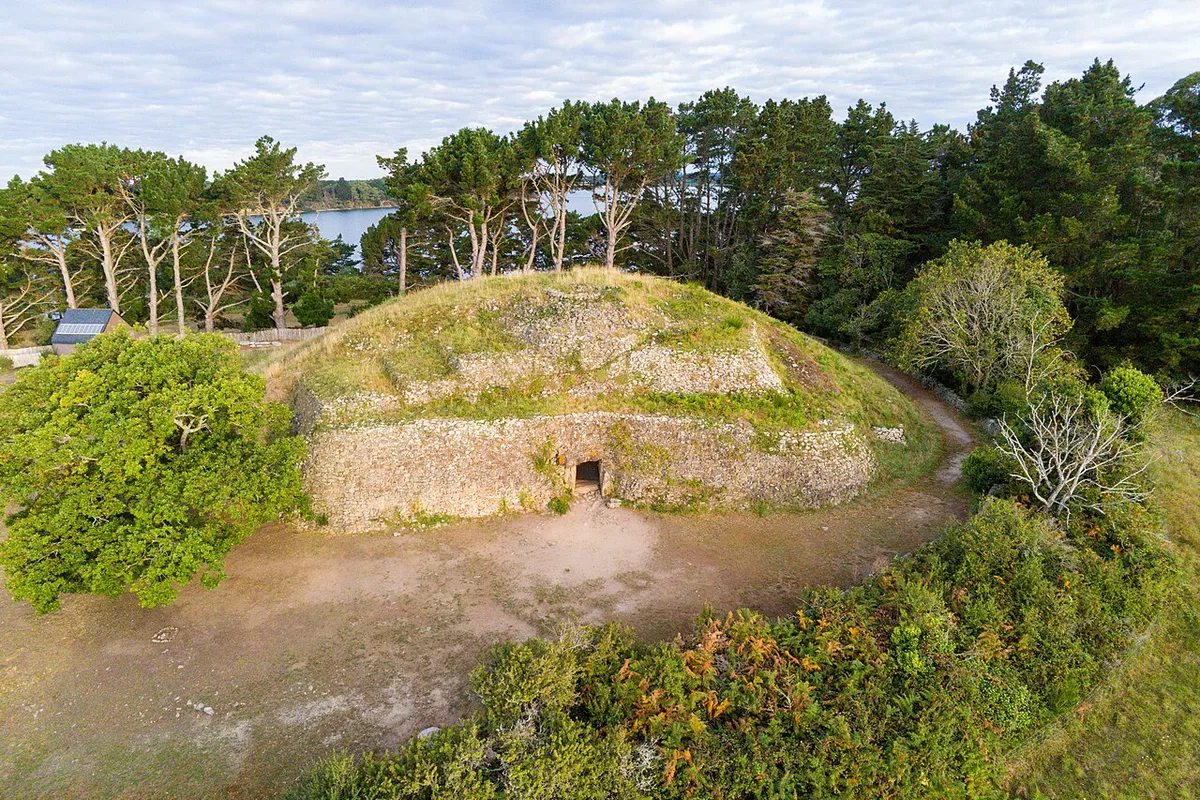
Gavrinis Cairn
Gulf of Morbihan, Brittany
Located on a small island in the Gulf of Morbihan, Gavrinis is one of Europe's most extraordinary prehistoric burial monuments. Built around 3500 BC, the passage tomb contains beautifully carved stones decorated with mysterious patterns created by Neolithic craftsmen.
Visitors reach the site by boat and can explore the chamber while learning about the communities that built these enormous monuments thousands of years ago.
Its remote island setting makes Gavrinis especially appealing for travellers seeking unique experiences away from France's busiest attractions.
Best for: A boat trip and carved Neolithic stones.
Image: Theroadislong (CC BY-SA 3.0) via Wikimedia Commons
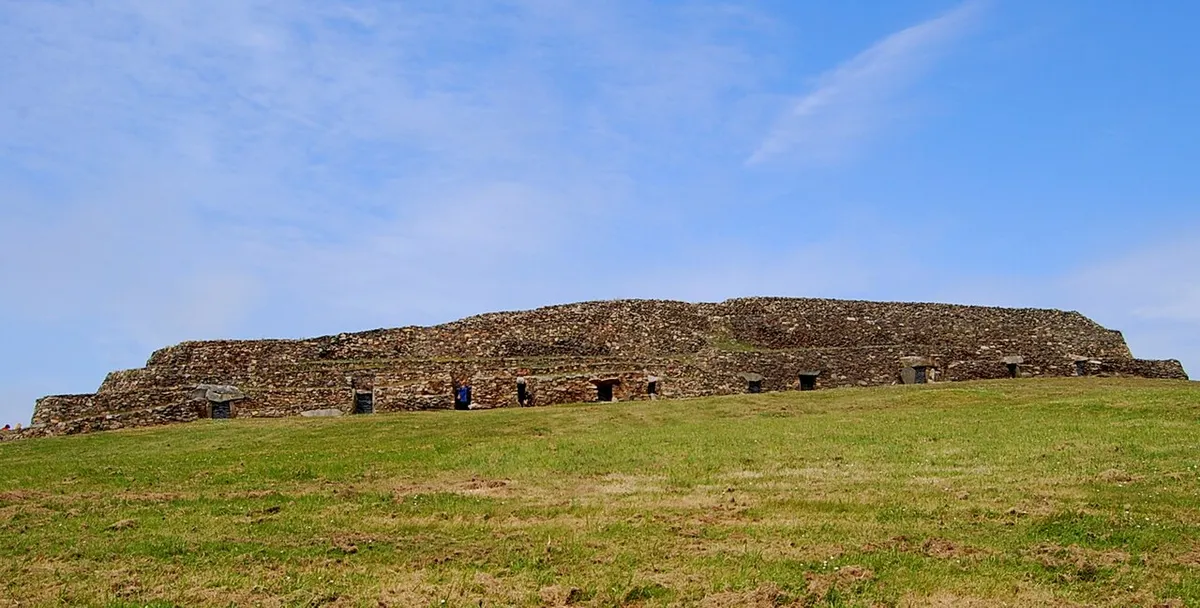
Barnenez Cairn
Brittany
Known as one of Europe's oldest monumental structures, the Barnenez Cairn is a massive Neolithic burial mound built over 6,000 years ago. Its scale demonstrates the organisation and skills of prehistoric communities.
Visitors can explore the remains, walk around the coastal landscape and discover one of France's most important archaeological treasures.
Located beside the rugged Breton coastline, it combines ancient history with spectacular walking routes and outdoor exploration.
Nearby: Breton coastline and coastal walking routes.
Image: Benh LIEU SONG (Flickr) (CC BY-SA 3.0) via Wikimedia Commons
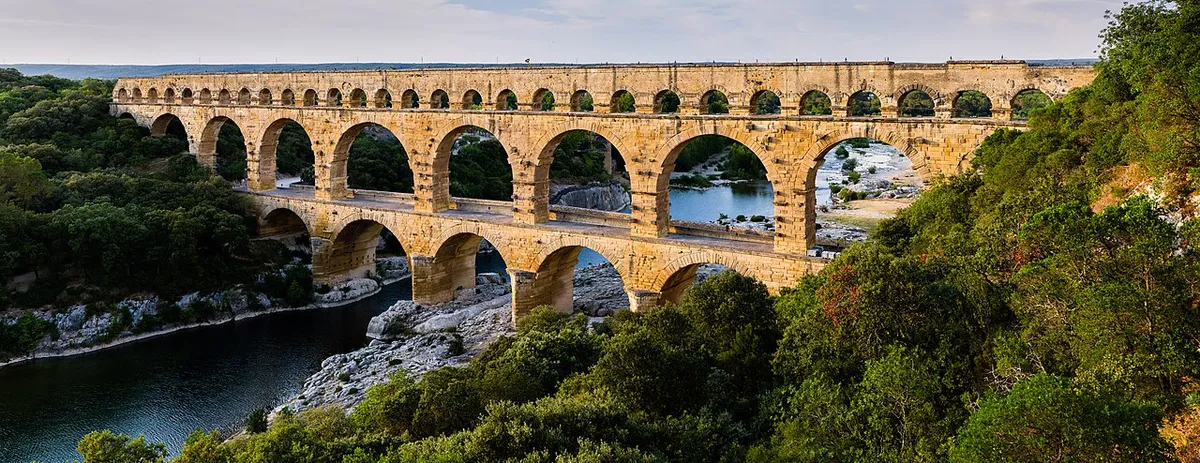
Pont du Gard
Occitanie
The Pont du Gard is one of the world's finest surviving Roman engineering achievements. Built during the first century AD, this enormous aqueduct carried water across the Gardon Valley to supply the Roman city of Nemausus.
The three-tiered structure stands almost perfectly preserved and demonstrates the incredible engineering ability of the Roman Empire.
Visitors can walk around the monument, explore nearby trails, swim in the river and enjoy the surrounding Mediterranean landscape. Its combination of ancient history and outdoor activities makes it one of France's best destinations for campers and adventure travellers.
Best for: River swimming, riverside trails and Roman engineering.
Image: Sylvaine Gaudin (CC BY-SA 3.0) via Wikimedia Commons
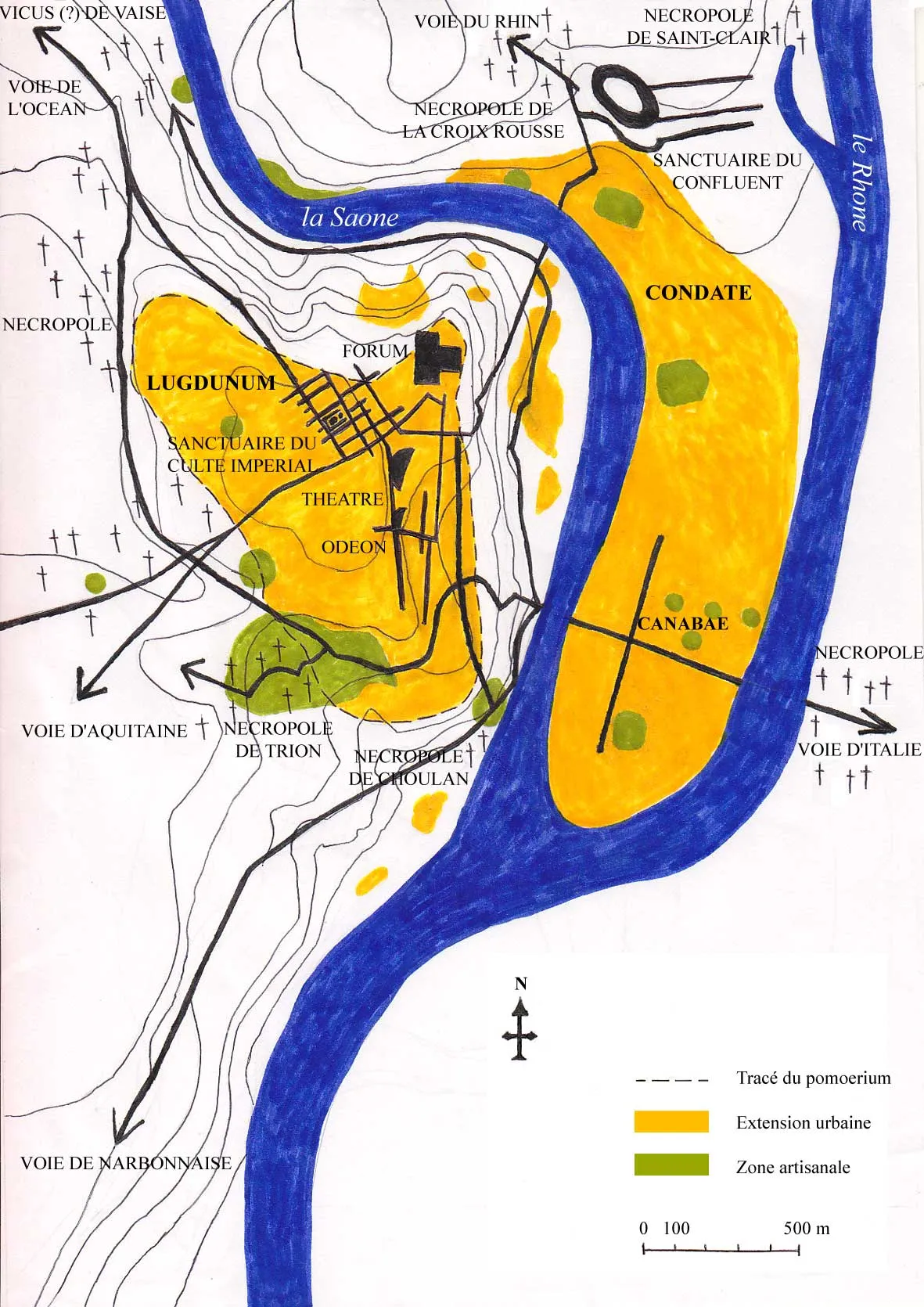
Lugdunum Roman Theatres
Lyon, Auvergne-Rhône-Alpes
The ancient city of Lugdunum, modern-day Lyon, was one of the most important Roman cities in Gaul. Its Roman theatres remain among the best examples of ancient urban life in France.
Visitors can explore the ancient theatre complex, museum collections and archaeological remains overlooking the modern city.
The site provides a fascinating contrast between Roman history and one of France's greatest contemporary cities.
Nearby: The city of Lyon and its archaeological museum.
Image: Gromelle Grand Angle (CC BY-SA 3.0) via Wikimedia Commons
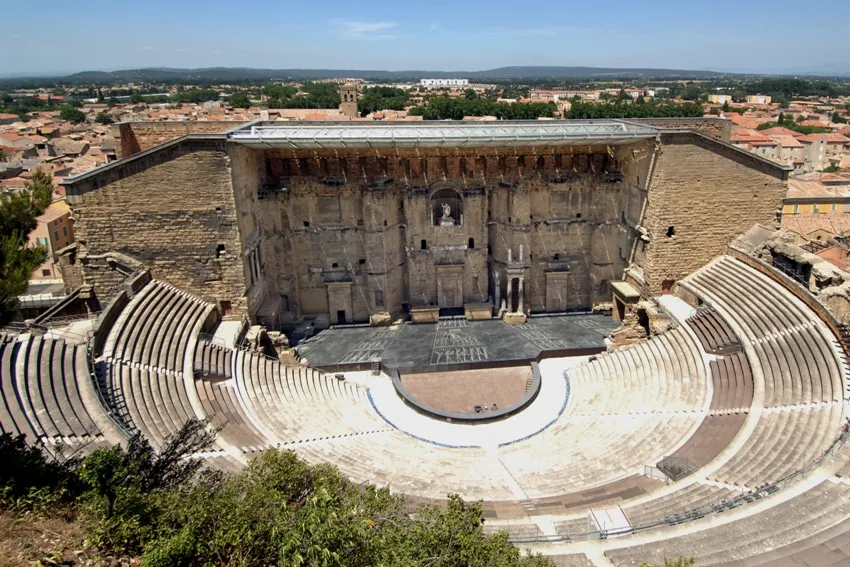
Roman Theatre of Orange
Provence-Alpes-Côte d'Azur
The Roman Theatre of Orange is one of the best-preserved Roman theatres anywhere in the world. Built during the reign of Augustus, it once hosted performances for thousands of spectators.
The enormous stage wall remains remarkably intact, allowing visitors to imagine the scale of entertainment in Roman Gaul.
Surrounded by vineyards and Provençal countryside, Orange is ideal for cycling routes, walking adventures and nearby camping trips.
Nearby: Provence vineyards, cycling and camping trips.
Image: Krzysztof Golik (CC BY-SA 4.0) via Wikimedia Commons
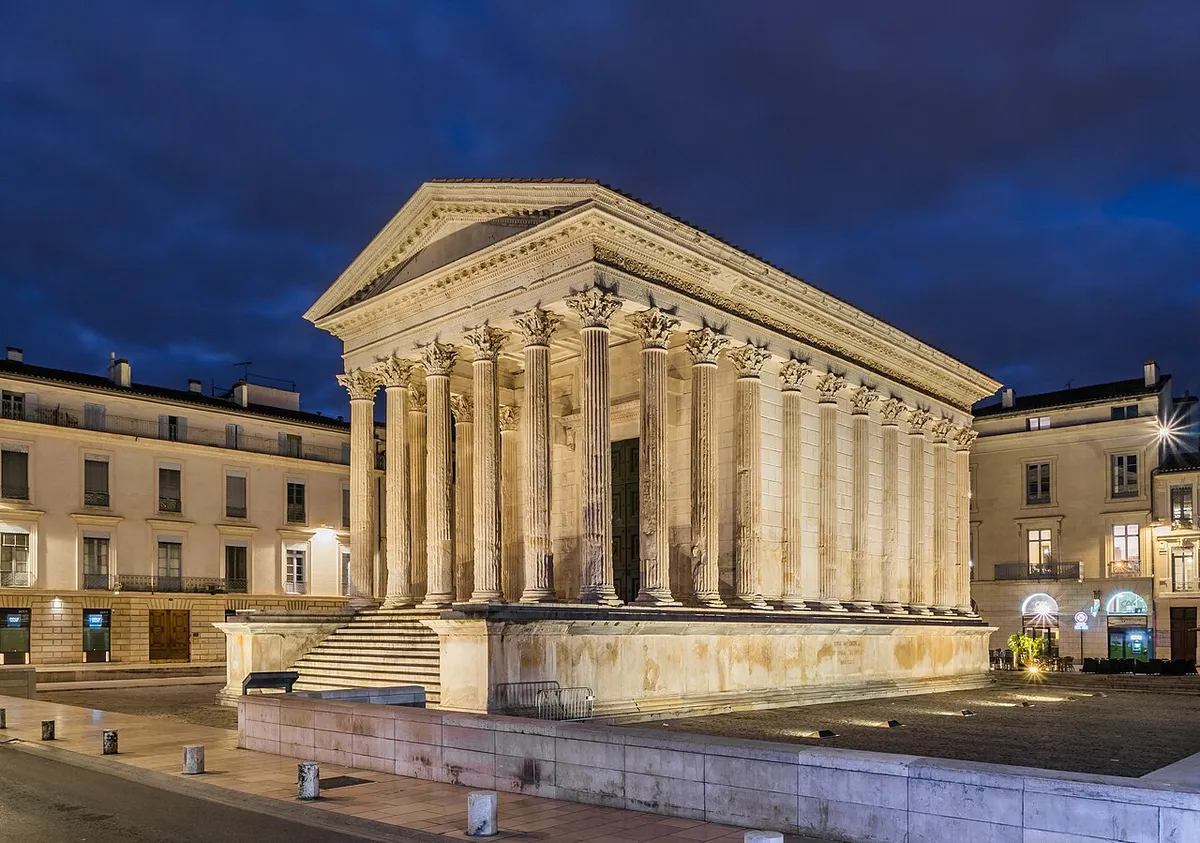
Maison Carrée
Nîmes, Occitanie
The Maison Carrée in Nîmes is one of the finest surviving Roman temples. Built around 2,000 years ago, its elegant columns and classical design demonstrate the influence of Roman architecture throughout southern France.
Visitors can explore the temple, learn about Roman life in Nemausus and combine the visit with nearby ancient attractions.
Its location in the historic centre of Nîmes makes it an essential stop on a Roman heritage route through southern France.
Nearby: Nîmes Roman arena and southern France heritage route.
Image: No machine-readable author provided. Iijjccoo assumed (based on copyright claims). (CC BY-SA 3.0) via Wikimedia Commons
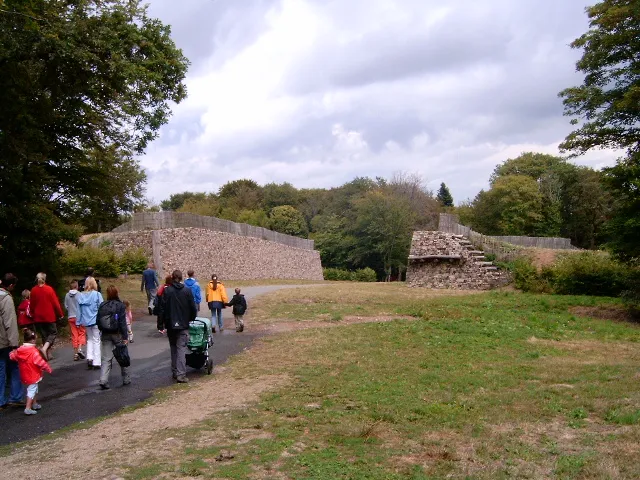
Bibracte
Burgundy
Hidden among the forests of Burgundy, Bibracte was once the powerful capital of the Aedui, one of the most important Celtic tribes in Gaul. It was here that Julius Caesar met Gallic leaders during the Gallic Wars.
Today visitors can explore archaeological remains, reconstructed buildings and museum exhibitions surrounded by the peaceful Morvan countryside.
Bibracte is a perfect example of history meeting nature, with hiking trails and outdoor routes throughout the surrounding landscape.
Best for: Morvan hiking trails and Celtic archaeology.
Image: Rodrigue Eckert (Public domain) via Wikimedia Commons
Glanum
Provence-Alpes-Côte d'Azur
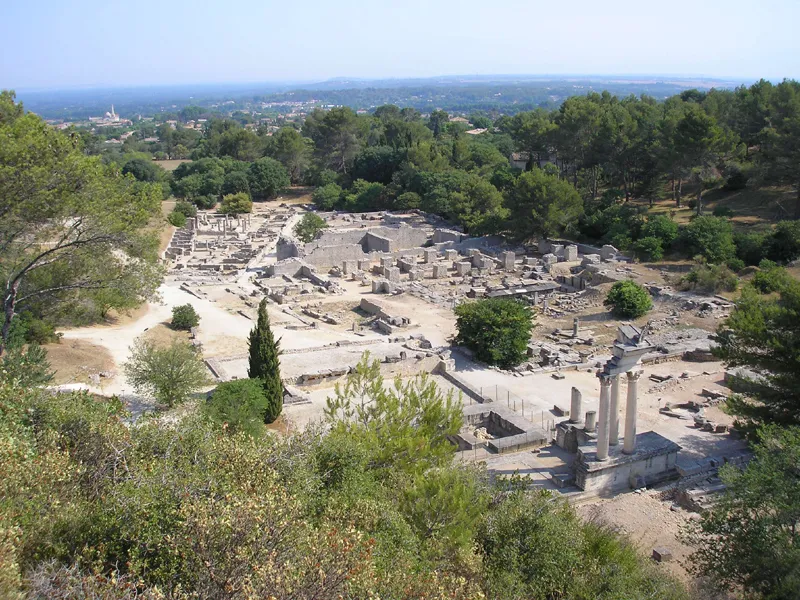
Glanum is one of France's most impressive ancient archaeological sites, revealing the remains of a city influenced by Celtic, Greek and Roman cultures.
Located near Saint-Rémy-de-Provence, the site contains temples, streets, houses and impressive Roman monuments.
Visitors can explore the ruins while enjoying views towards the Alpilles mountains, making it ideal for combining archaeology with walking and cycling.
Nearby: Saint-Rémy-de-Provence and the Alpilles mountains.
Image: FrogsLegs71 (CC BY-SA 3.0) via Wikimedia Commons
Vaison-la-Romaine
Provence-Alpes-Côte d'Azur
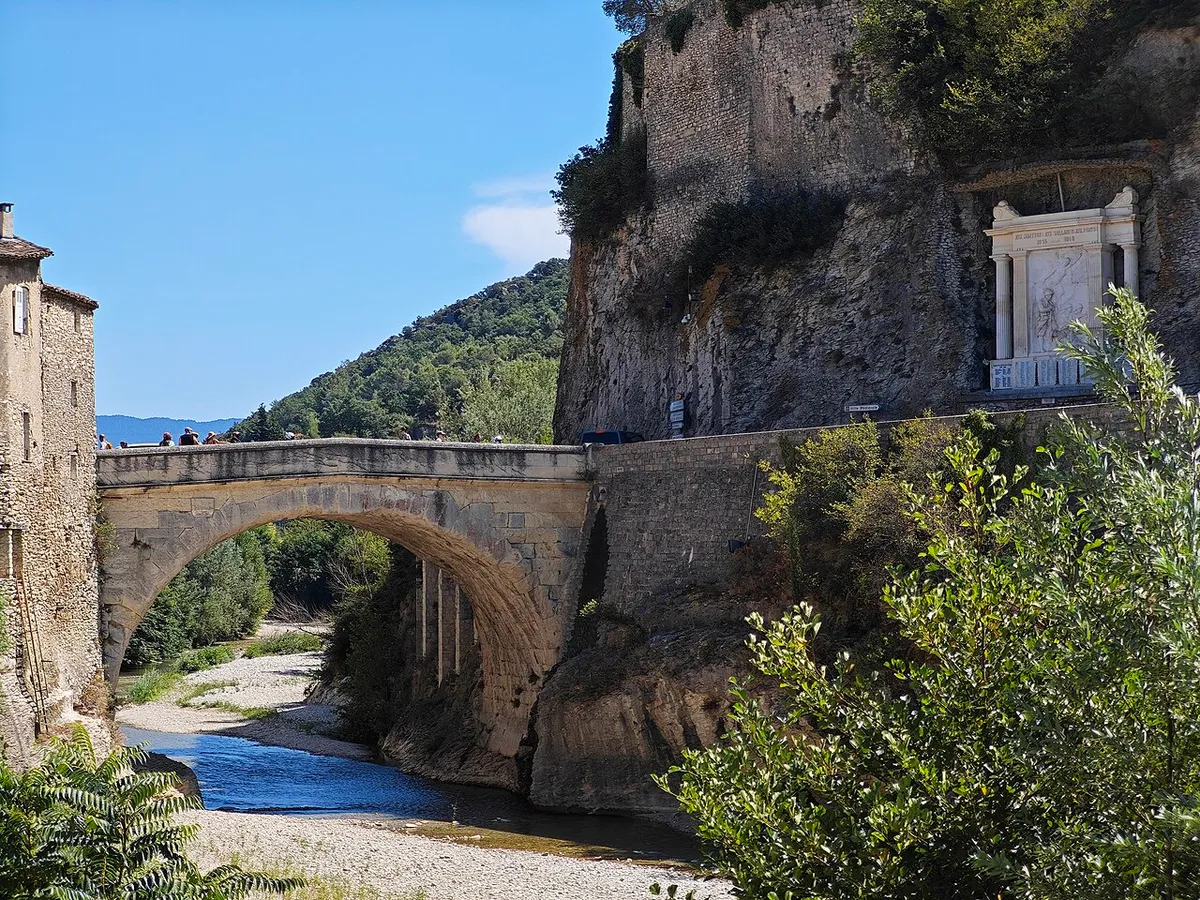
Vaison-la-Romaine offers one of France's most complete Roman archaeological experiences. The ancient city contains Roman houses, streets, baths and a theatre that reveal everyday life nearly 2,000 years ago.
Visitors can walk through the ruins before exploring the medieval town above, creating a journey through multiple periods of French history.
With mountain scenery, cycling routes and nearby campsites, Vaison-la-Romaine is perfectly suited to outdoor travellers.
Nearby: The medieval upper town, mountains and cycling routes.