Image: Dennis G. Jarvis (CC BY-SA 2.0) via Wikimedia Commons
Diocletian's Palace
Split
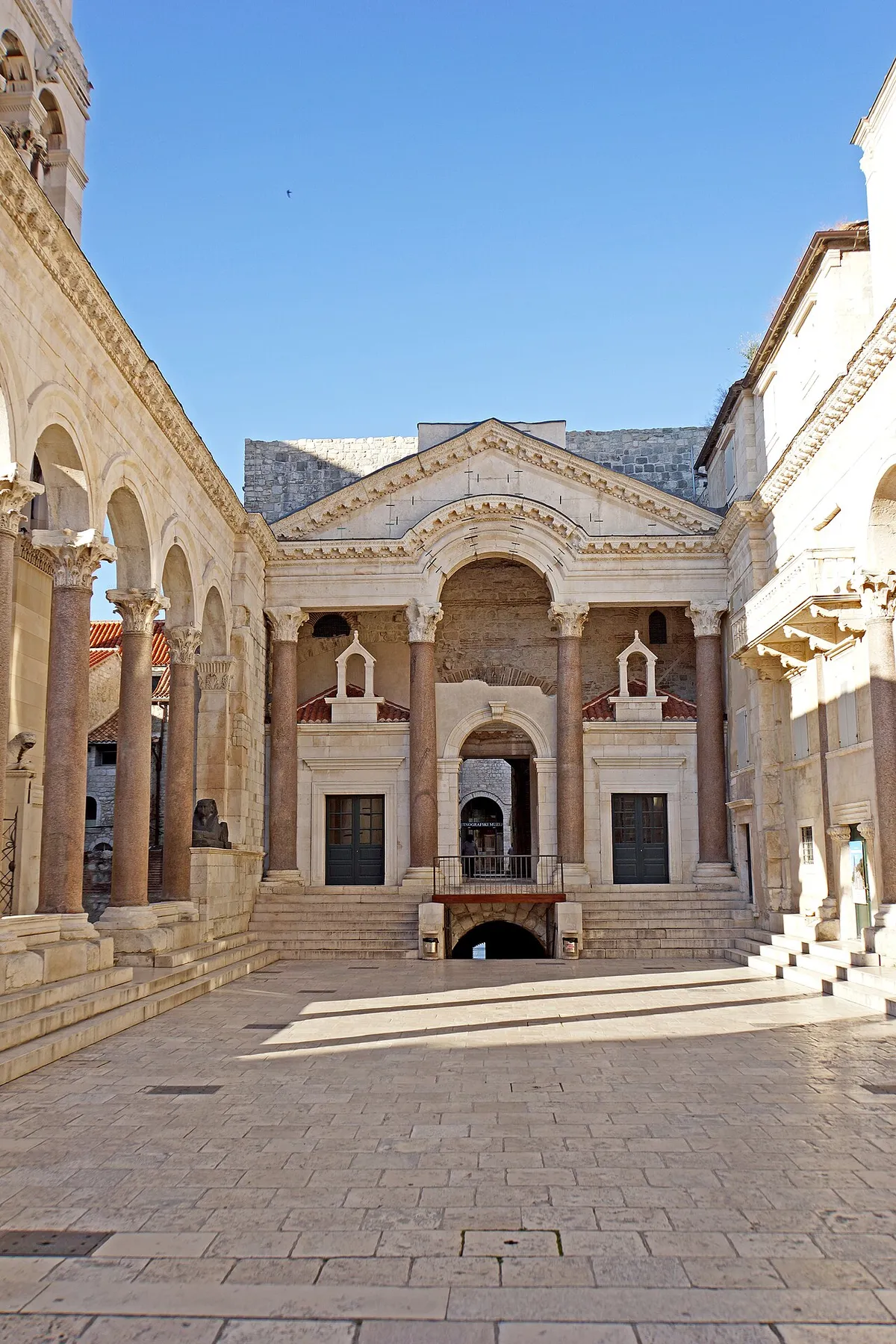
Few historic landmarks in Europe are as unique as Diocletian's Palace, a vast Roman complex built between 298 and 305 AD for Emperor Diocletian.
Unlike a traditional ruined monument, the palace became the heart of modern Split. Ancient Roman walls surround restaurants, homes, streets and squares, creating a living archaeological site. Visitors can explore the Peristyle courtyard, underground chambers, Roman temples and the famous waterfront promenade.
Its location makes it ideal for outdoor travellers, with nearby mountains, islands, beaches and coastal walking routes all within easy reach.
Best for: A living Roman palace at the heart of Split.
Image: Olgierd Rudak (CC BY-SA 4.0) via Wikimedia Commons
Pula Arena
Istria
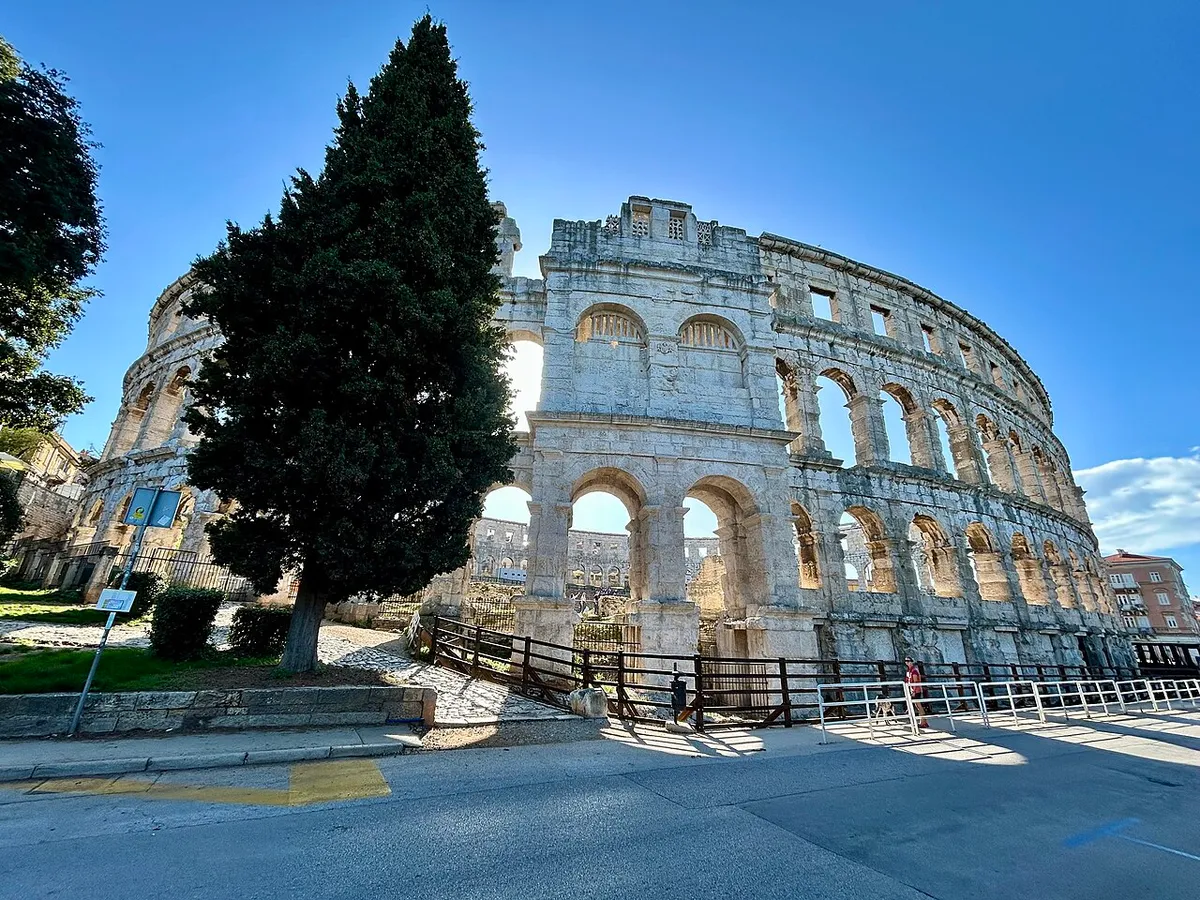
Standing proudly in the coastal city of Pula, the Pula Arena is one of the world's best-preserved Roman amphitheatres. Built during the 1st century AD, the arena once hosted gladiatorial contests watched by thousands of spectators.
Today visitors can walk inside the amphitheatre, explore underground galleries and experience concerts and cultural events held within the ancient structure.
Located near beaches, cycling routes and Istria's famous countryside, the arena is a perfect stop on an outdoor Croatian adventure.
Best for: One of the world's best-preserved Roman arenas.
Image: Bernard Gagnon (CC BY-SA 4.0) via Wikimedia Commons
Salona Ancient City
Solin
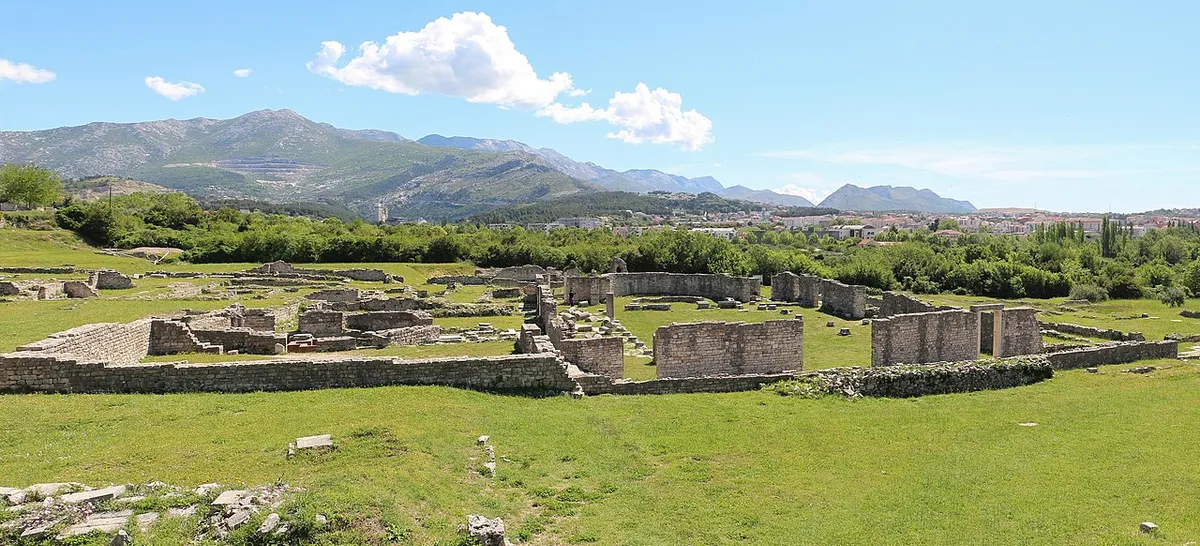
Just outside Split lies Salona, one of the most important Roman cities in the eastern Adriatic. Once the capital of the Roman province of Dalmatia, it grew into a major urban centre with forums, temples, theatres, basilicas and extensive defensive walls.
Visitors can wander through the archaeological park and imagine daily life in one of Rome's most important provincial cities. The ruins are spread across a peaceful landscape, making exploration feel like discovering a lost city.
Its proximity to Split, Klis Fortress and nearby hiking routes makes Salona an excellent addition to a Dalmatian itinerary.
Best for: A peaceful Roman provincial capital near Split.
Image: Zysko serhii (CC BY-SA 4.0) via Wikimedia Commons
Dubrovnik Old Town
Dubrovnik
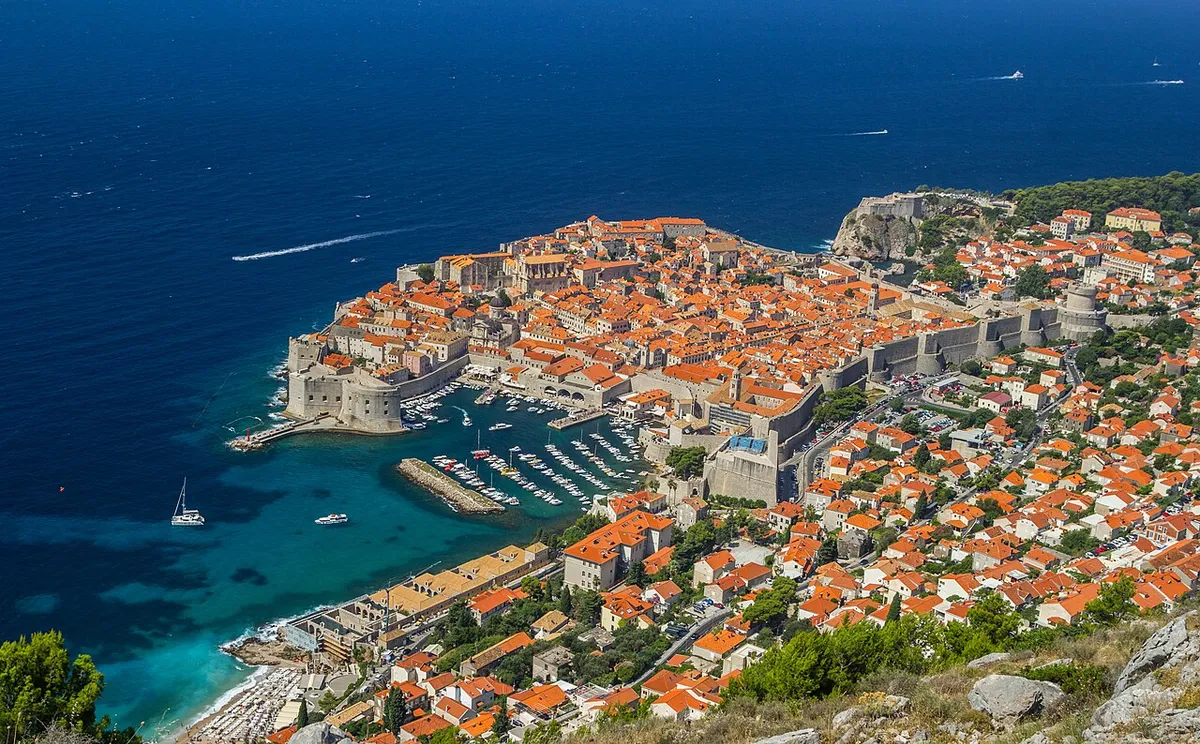
Known as the "Pearl of the Adriatic", Dubrovnik is one of Europe's most spectacular historic cities. Founded during the medieval period, the city became a powerful maritime republic known as Ragusa.
Visitors can walk the famous city walls, explore medieval streets, visit ancient churches and discover the fortress network surrounding the city.
Beyond sightseeing, Dubrovnik offers coastal walks, island trips and hiking opportunities in the nearby hills, making it a perfect combination of history and outdoor adventure.
Best for: Walking the walls of the "Pearl of the Adriatic".
Image: Nick Savchenko from Kiev, Ukraine (CC BY-SA 2.0) via Wikimedia Commons
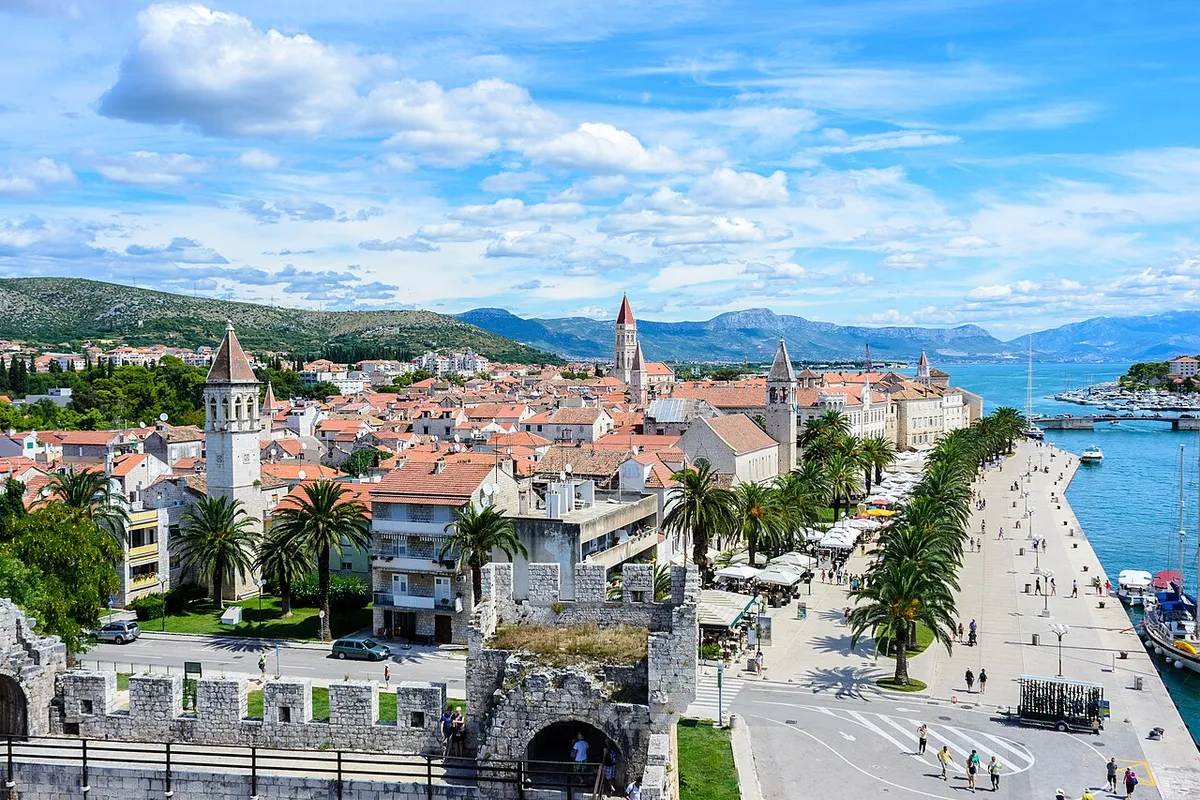
Historic City of Trogir
Split-Dalmatia County
Trogir is one of Croatia's best-preserved medieval towns, built on a small island connected to the mainland by bridges. Founded by Greek settlers and later developed under Roman, Byzantine and Venetian influence, it contains layers of history within its compact old town.
The highlight is the Cathedral of St Lawrence, famous for its detailed Romanesque carvings, alongside medieval palaces, stone streets and waterfront buildings.
Because of its small size and coastal location, Trogir is perfect for travellers exploring Croatia slowly by bike, boat or campervan.
Best for: A compact island old town of stone and sea.
Image: Lady Ivy (CC BY-SA 4.0) via Wikimedia Commons
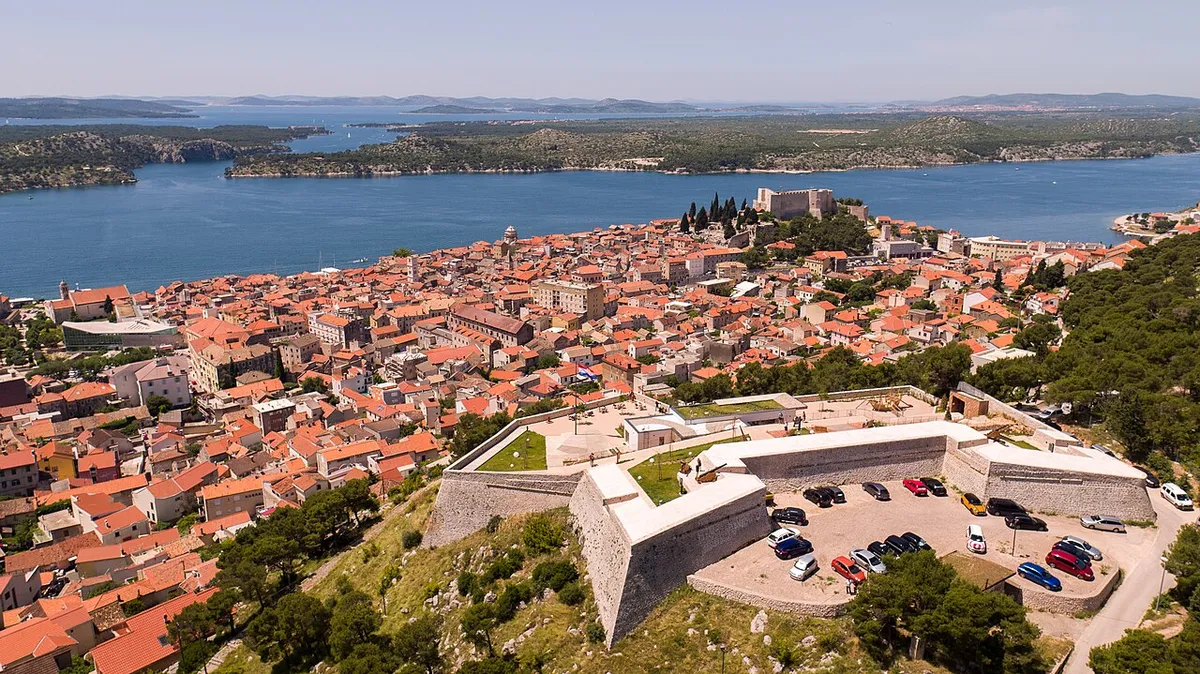
Šibenik Old Town & St James Cathedral
Šibenik
Šibenik is one of Croatia's most historic coastal cities and the only major Adriatic city founded by Croats themselves.
Its greatest landmark is the Cathedral of St James, a UNESCO World Heritage Site built entirely from stone during the 15th and 16th centuries. Its remarkable carvings, Renaissance design and engineering make it one of the masterpieces of Dalmatian architecture.
Visitors can combine the old town with nearby fortresses, Krka National Park and coastal walking routes.
Best for: A UNESCO stone cathedral above the harbour.
Image: dronepicr (CC BY 2.0) via Wikimedia Commons
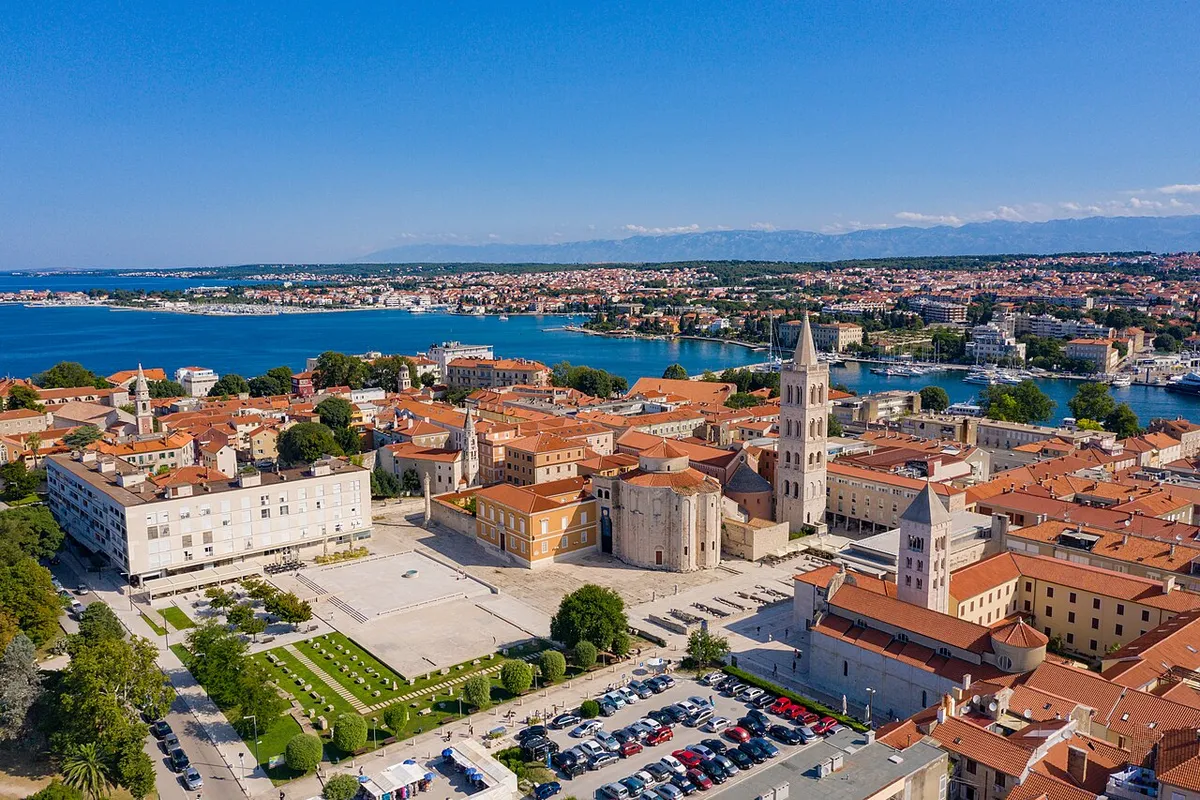
Zadar Old Town & Roman Forum
Zadar
Zadar is one of Croatia's oldest continuously inhabited cities, with more than 3,000 years of history. The old town contains Roman ruins, medieval churches, Venetian architecture and defensive walls.
At its centre lies the Roman Forum, built between the 1st century BC and 3rd century AD. Visitors can explore ancient streets, climb historic towers and experience landmarks such as the Church of St Donatus and the famous Sea Organ.
Its location makes Zadar a fantastic base for island trips, national parks and outdoor exploration.
Best for: A Roman forum, Sea Organ and island-hopping base.
Image: Carsten Steger (CC BY-SA 4.0) via Wikimedia Commons
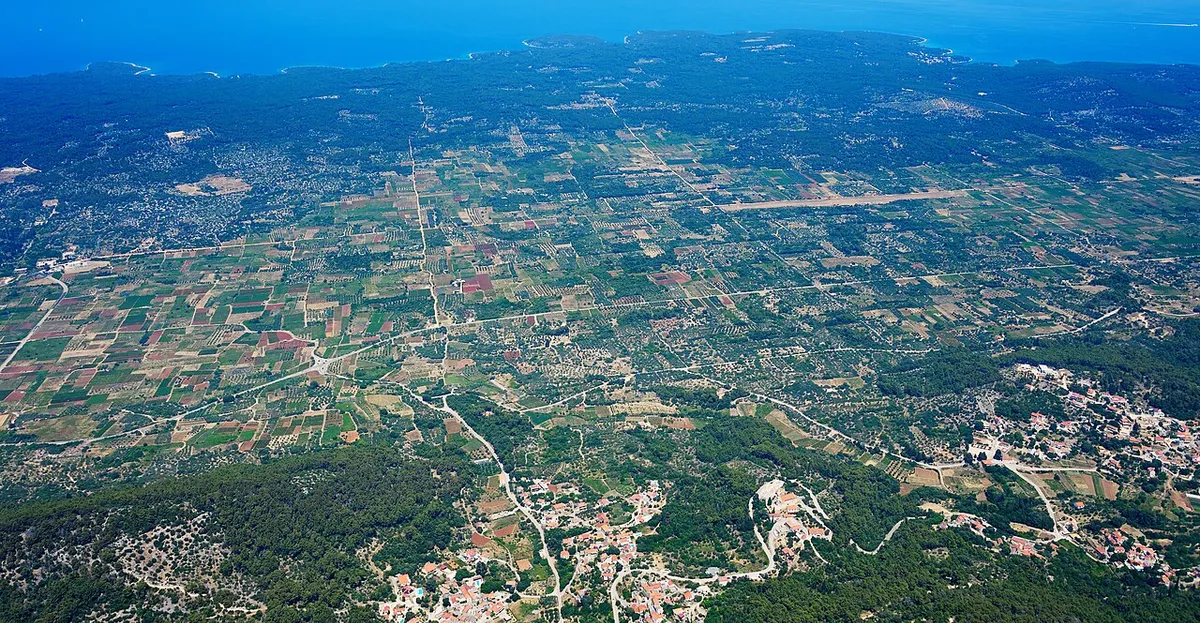
Stari Grad Plain
Hvar Island
The Stari Grad Plain is one of the most remarkable ancient agricultural landscapes in Europe. Created by Greek settlers from Paros in the 4th century BC, the land division system has survived for more than two thousand years.
Ancient stone walls, olive groves and vineyards still follow the original patterns created by Greek farmers.
Visitors can explore the plain by walking or cycling, discovering ancient farm buildings and peaceful Mediterranean landscapes away from the island's busier coastal areas.
Best for: A 2,400-year-old Greek field system, still farmed.
Image: Aquamunda (CC BY 4.0) via Wikimedia Commons
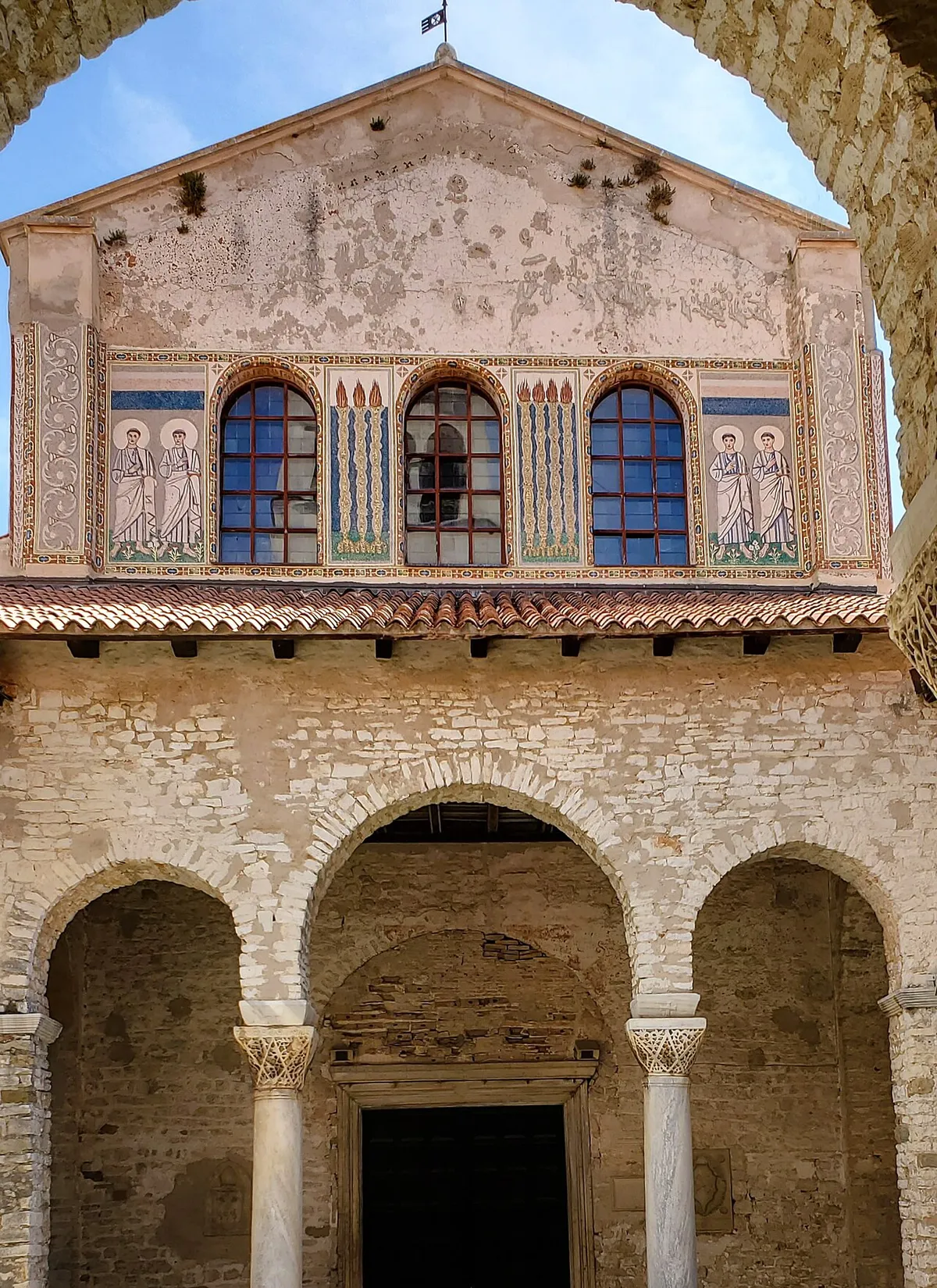
Euphrasian Basilica
Poreč
The Euphrasian Basilica in Poreč is one of Croatia's greatest early Christian landmarks. Dating back to the 6th century, the complex contains remarkable Byzantine mosaics, ancient architectural features and religious artwork.
It represents the importance of Poreč during the Byzantine period and remains one of the best-preserved examples of early Christian architecture in the Mediterranean.
Visitors can combine the basilica with Istrian cycling routes, coastal walks and nearby campsites.
Best for: Golden Byzantine mosaics in coastal Istria.
Image: Carsten Steger (CC BY-SA 4.0) via Wikimedia Commons
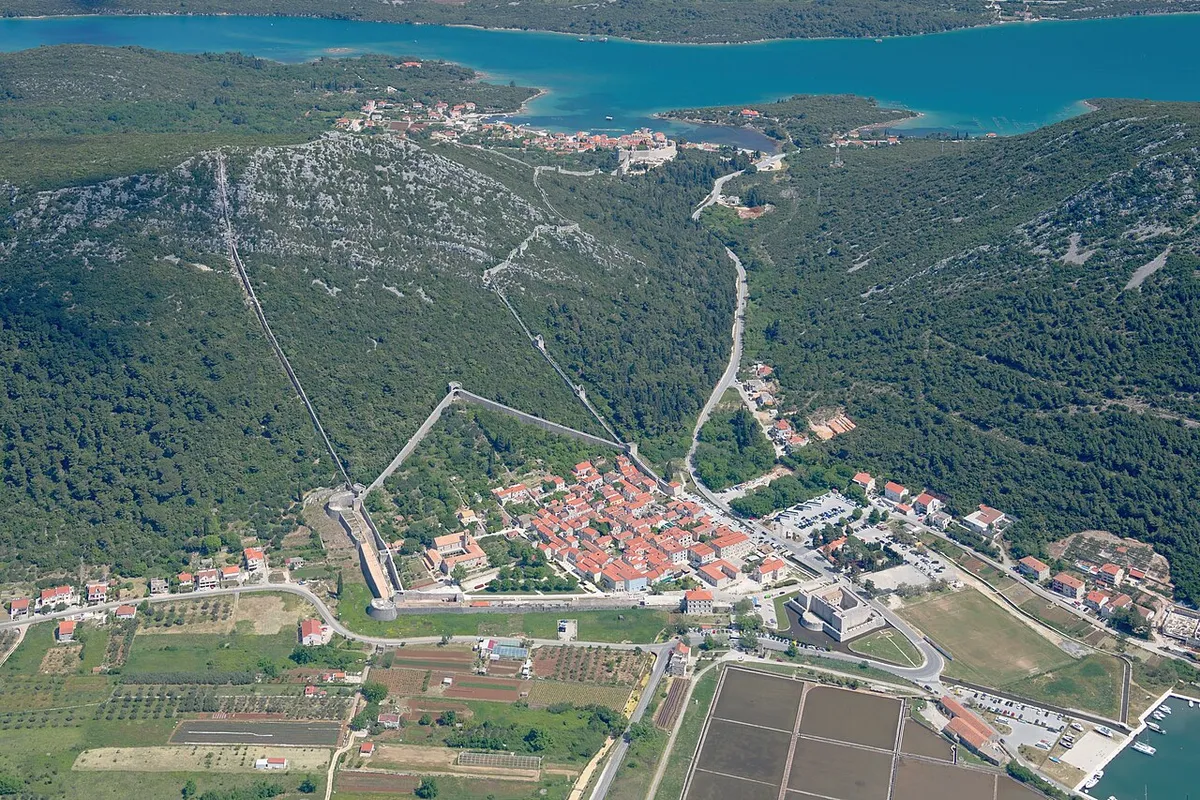
Walls of Ston
Pelješac Peninsula
Stretching across the hills above the town of Ston, the Walls of Ston are among the longest preserved defensive walls in Europe. Built during the medieval period by the Republic of Ragusa, they protected the valuable salt pans of Ston and the approaches to Dubrovnik.
Visitors can walk the dramatic stone walls while enjoying views over vineyards, mountains and the Adriatic Sea.
The surrounding Pelješac Peninsula is ideal for camping, hiking, cycling and exploring Croatia's quieter coastal landscapes.
Best for: Europe's longest walls above vineyards and salt pans.