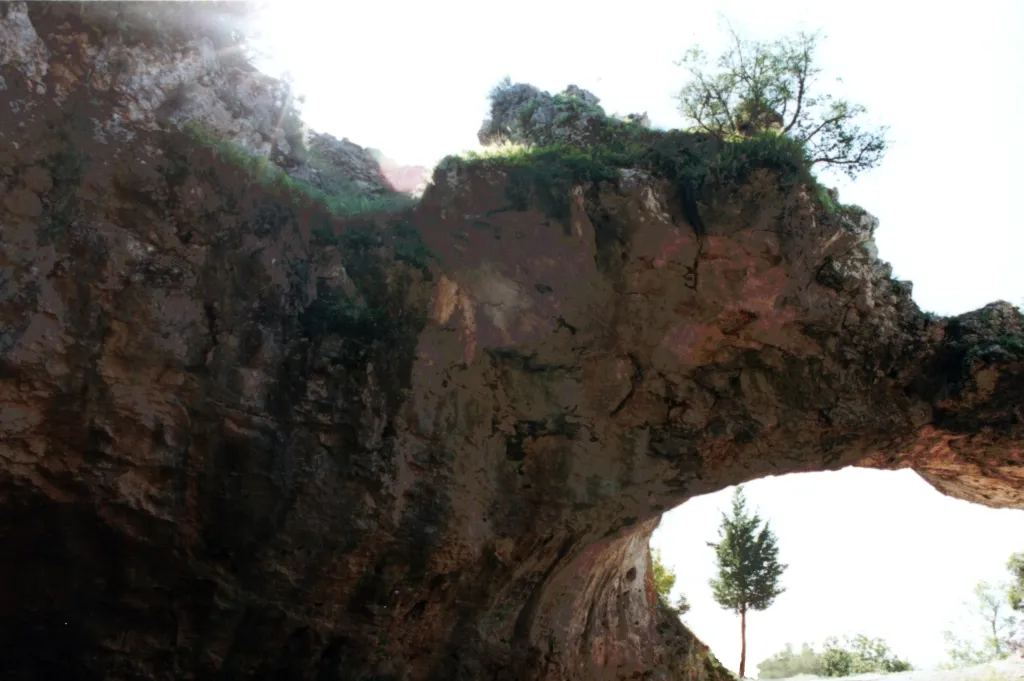
Image: Bernard Gagnon (CC BY-SA 4.0) via Wikimedia Commons
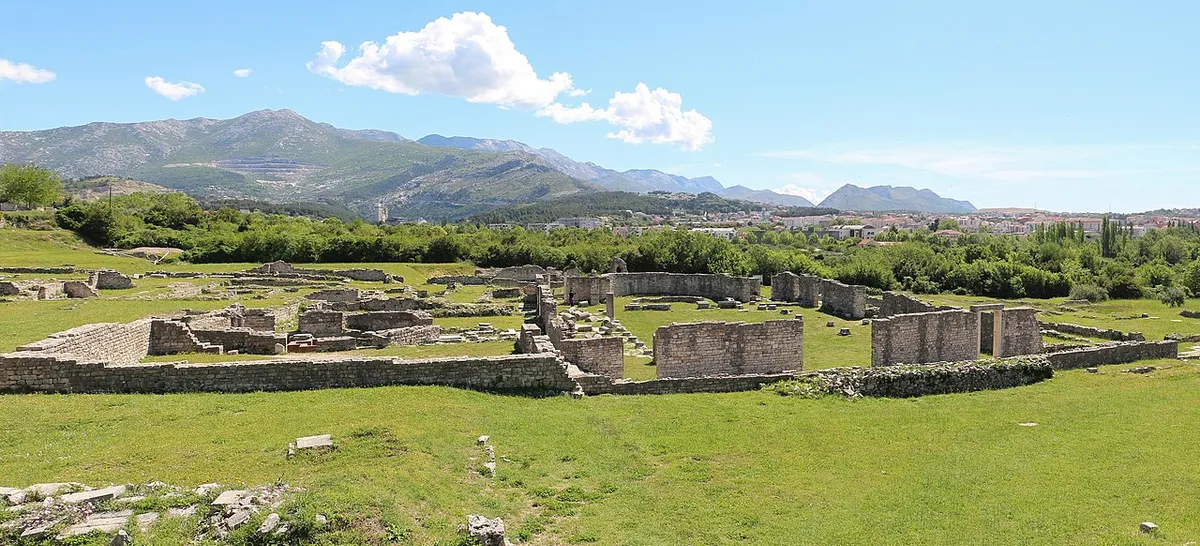
Salona Ancient City
Solin
Salona is the most important Roman archaeological site in Croatia and was once the capital of the Roman province of Dalmatia. It became a thriving city with forums, temples, an amphitheatre, aqueducts, city walls and one of the earliest Christian communities in the region.
Today visitors can walk through the remains of this once-great city, exploring ancient streets, basilicas and defensive walls. Located close to Split, Klis Fortress and mountain trails, it is ideal for combining ancient history with outdoor exploration.
Best for: The Roman capital of Dalmatia, without the crowds.
Image: Dennis G. Jarvis (CC BY-SA 2.0) via Wikimedia Commons
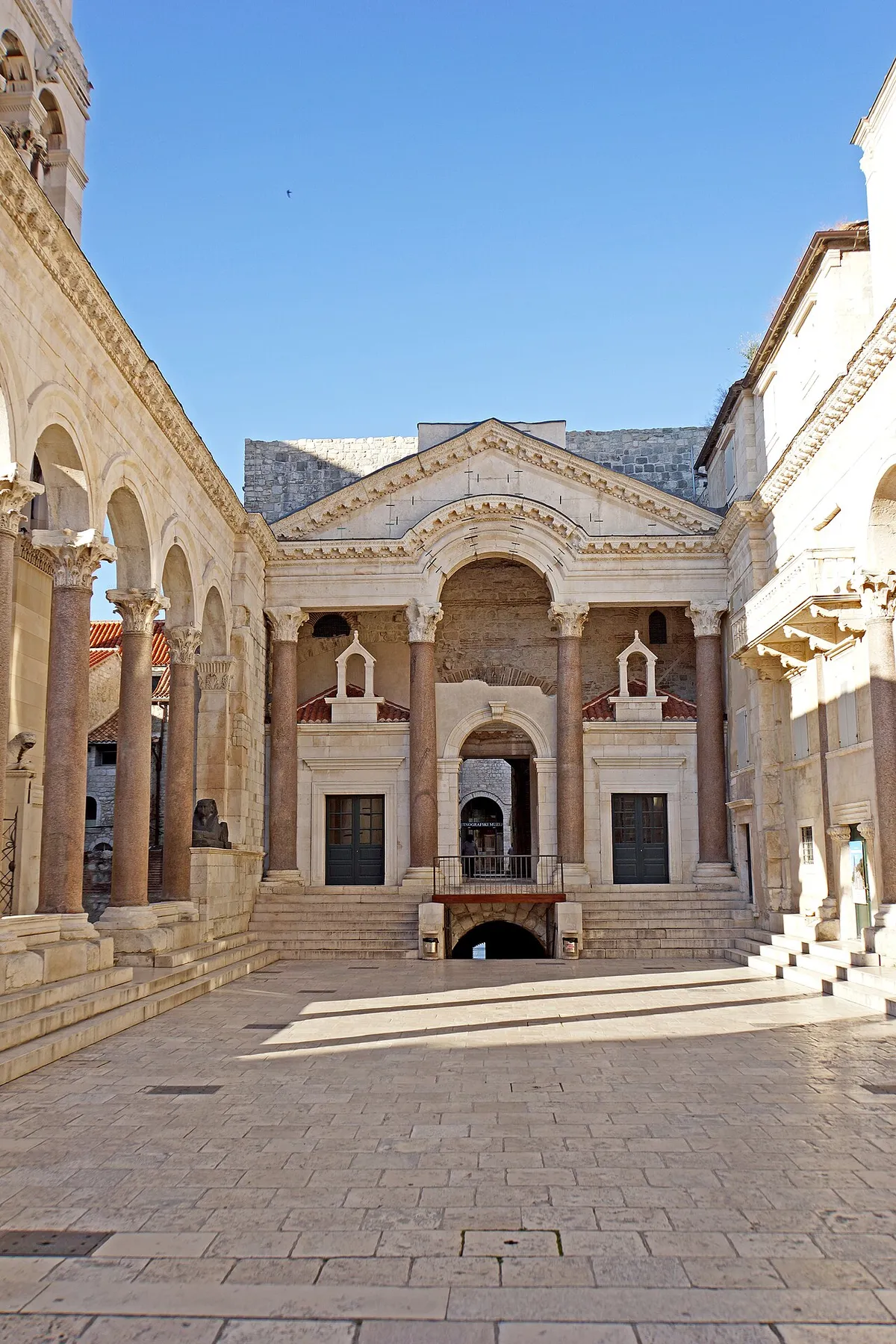
Diocletian's Palace
Split
Although now part of a modern city, Diocletian's Palace remains one of the greatest Roman monuments in the world. Built between 298 and 305 AD as the retirement residence of Emperor Diocletian, it combined a luxury villa, military fortress and administrative centre.
Visitors can explore underground chambers, Roman courtyards, temples and ancient gates while walking through streets continuously inhabited for more than 1,700 years.
Best for: An inhabited Roman palace complex.
Image: Olgierd Rudak (CC BY-SA 4.0) via Wikimedia Commons
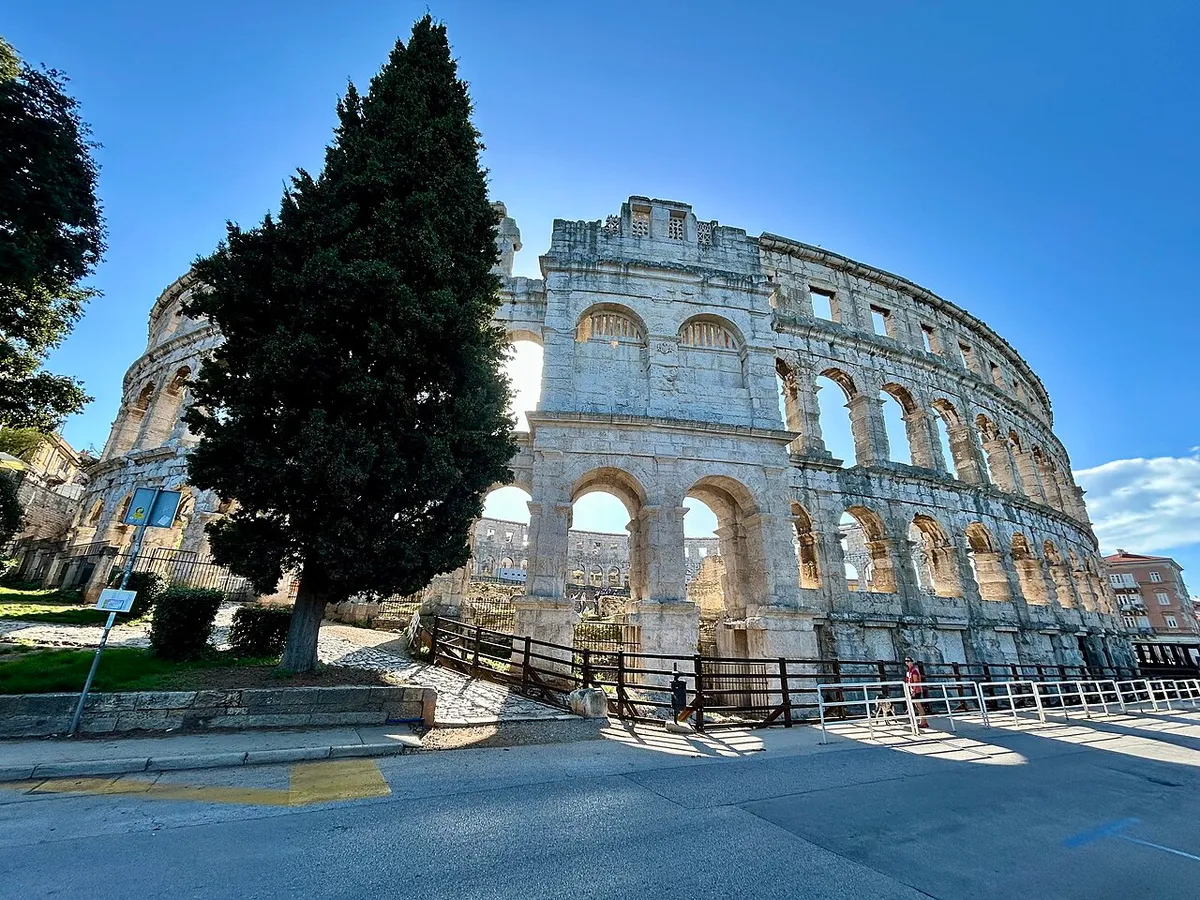
Pula Arena & Roman Pula
Istria
The city of Pula contains some of Croatia's finest Roman remains, with the spectacular Pula Arena as its centrepiece. Built during the 1st century AD, the amphitheatre remains one of the best-preserved Roman arenas anywhere in the world.
Beyond the arena, visitors can explore the Temple of Augustus, the Roman Forum and ancient city gates. With coastal cycling routes, beaches and nearby campsites, Pula is one of Croatia's best destinations for combining Roman history with outdoor travel.
Best for: An arena, temple and forum in one coastal city.
Image: Carsten Steger (CC BY-SA 4.0) via Wikimedia Commons
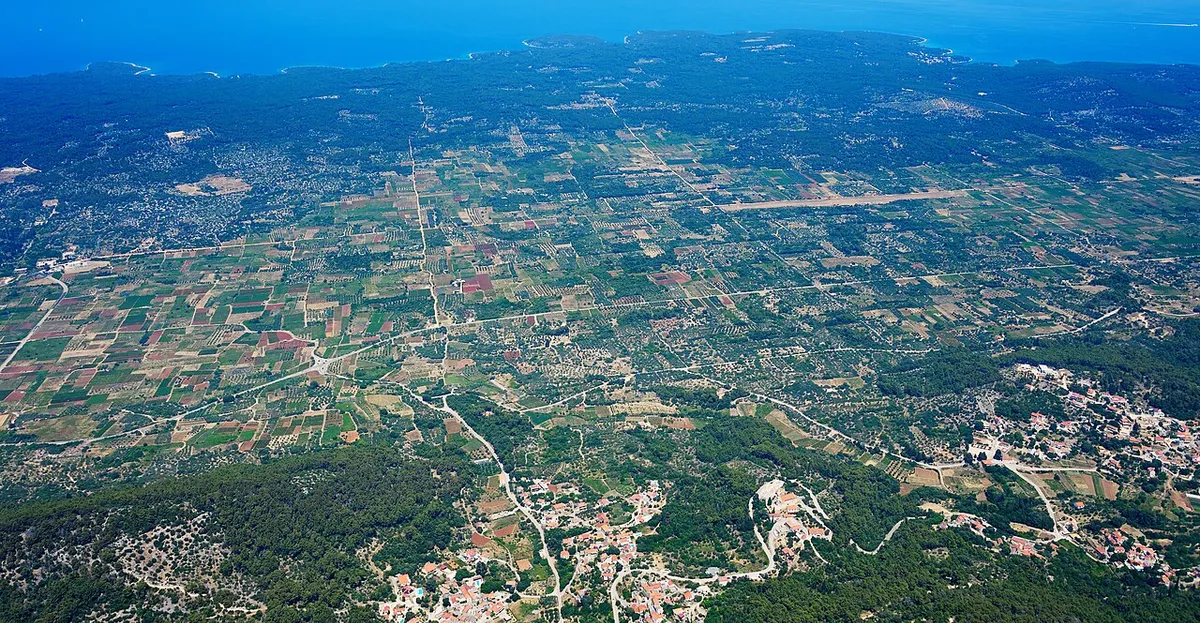
Stari Grad Plain
Hvar Island
The Stari Grad Plain represents one of the oldest continuously cultivated landscapes in Europe. Created by Greek settlers from the island of Paros in 384 BC, the agricultural layout has survived for over two millennia.
Ancient stone walls still divide fields in almost exactly the same pattern created by the original Greek farmers. Visitors can explore the landscape by foot or bicycle, discovering ancient farm buildings, vineyards and olive groves.
Best for: An ancient Greek field system still in use.
Image: MaGa (CC BY-SA 3.0) via Wikimedia Commons
Narona Archaeological Site
Vid
Hidden near the town of Metković, Narona was one of the most important Roman settlements on the eastern Adriatic. The city developed as a trading centre connected with the Roman world, and excavations uncovered a remarkable temple dedicated to Emperor Augustus.
The modern Narona Archaeological Museum protects the remains of the ancient temple and displays statues, inscriptions and artefacts. Its quieter location makes it perfect for travellers seeking lesser-known historic places.
Best for: A Roman temple of Augustus, off the beaten track.
Image: dronepicr (CC BY 2.0) via Wikimedia Commons
Zadar Roman Forum
Zadar
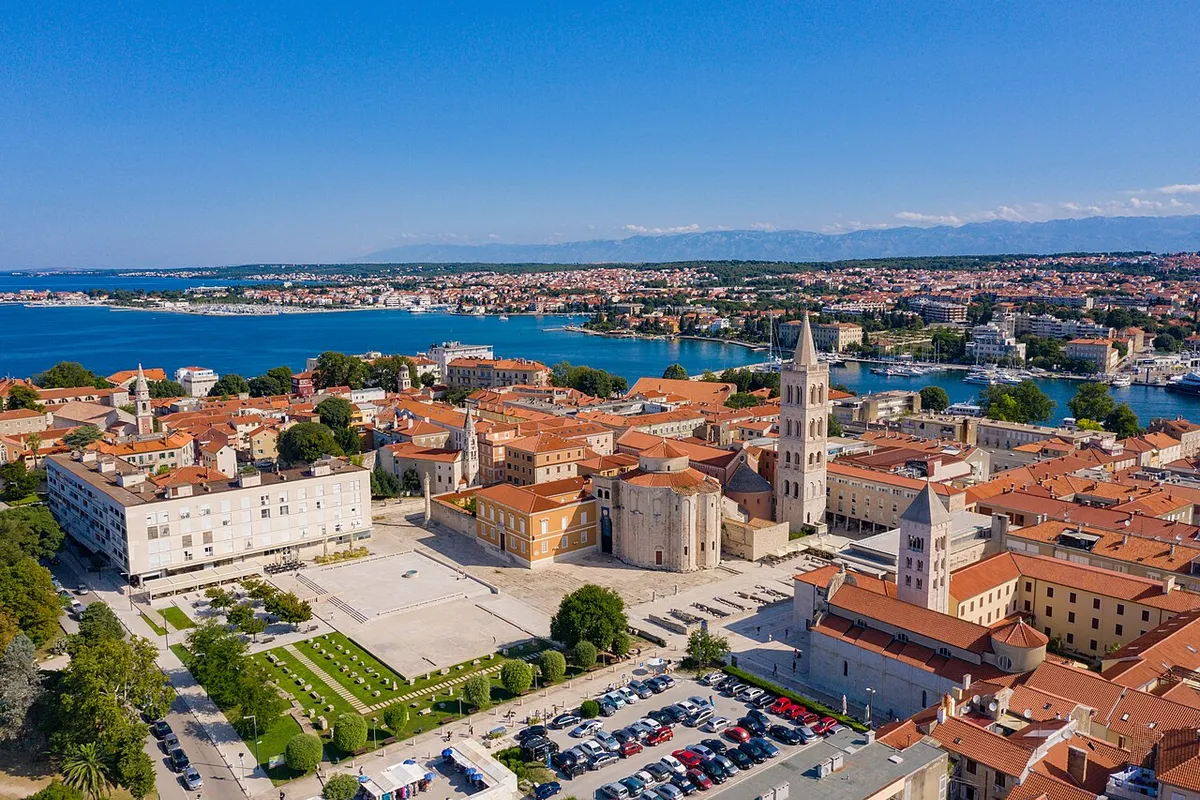
Zadar is one of the oldest continuously inhabited cities in Croatia, with history stretching back more than three thousand years. At the heart of the old town lies the Roman Forum, built between the 1st century BC and 3rd century AD.
Visitors can walk among ancient columns while exploring nearby Romanesque churches, medieval streets and Venetian fortifications. Zadar's location makes it an excellent base for national parks, islands and coastal hiking.
Best for: The largest Roman forum on the eastern Adriatic.
Image: Electrideodes (CC BY-SA 3.0) via Wikimedia Commons
Nesactium (Nezakcij)
Istria
Nesactium was the most important ancient settlement of the Histri people, the pre-Roman inhabitants of Istria. The city existed before Roman conquest and later became a Roman settlement with defensive walls, temples and public buildings.
Because it receives fewer visitors than Pula or Rovinj, Nesactium offers a more peaceful archaeological experience surrounded by rural Istrian landscapes.
Best for: The pre-Roman capital of the Histri.
Image: Carole Raddato from FRANKFURT, Germany (CC BY-SA 2.0) via Wikimedia Commons
Aenona (Ancient Nin)
Nin
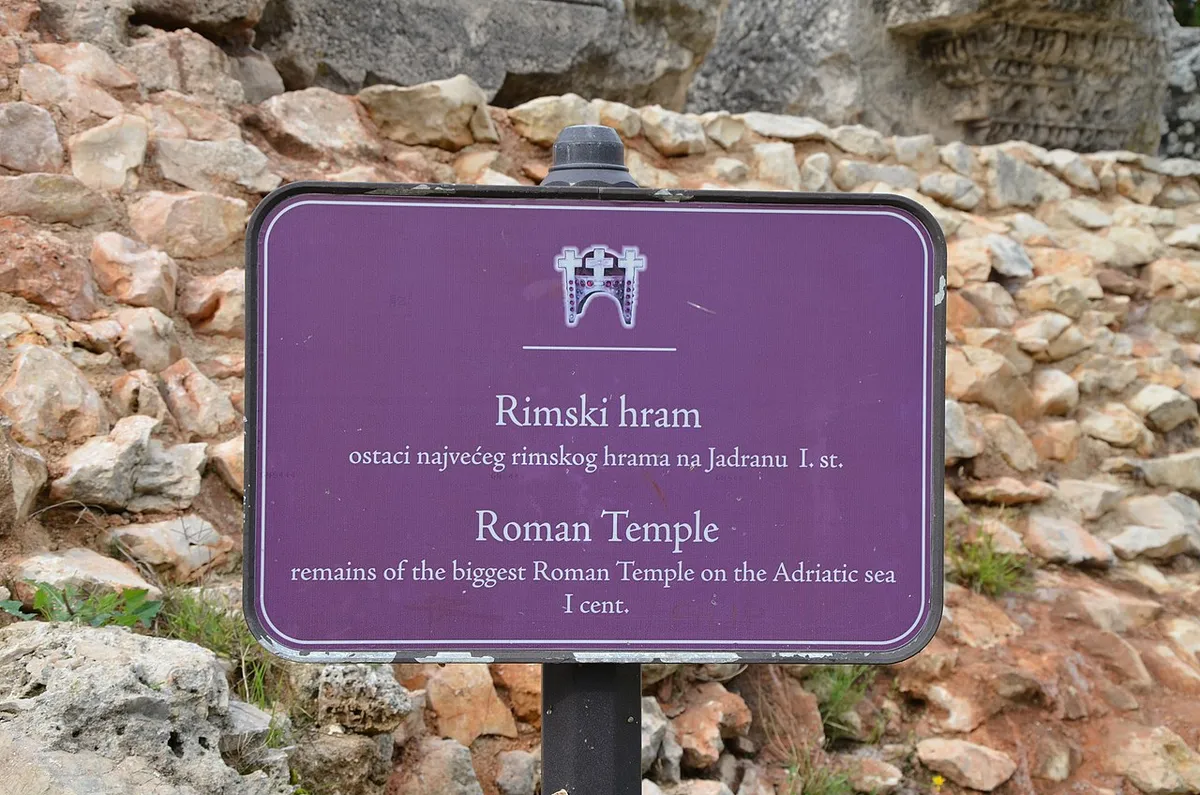
The coastal town of Nin has one of Croatia's richest ancient histories, with settlement dating back thousands of years. Originally inhabited by the Liburnians, Nin later became an important Roman settlement known as Aenona.
Visitors can discover Roman remains, ancient streets, archaeological collections and the famous Roman Temple ruins. With beaches, cycling routes and nearby nature areas, Nin is a fantastic destination for outdoor travellers.
Best for: Roman remains beside sandy Adriatic beaches.
Image: Daoud El-Issa (CC BY-SA 4.0) via Wikimedia Commons
Issa Ancient City
Vis Island
The island of Vis was home to Issa, one of the most important Greek colonies in the Adriatic. Founded in the 4th century BC by Greeks from Syracuse, Issa became a powerful trading centre with its own economy, coinage and naval influence.
Today visitors can explore archaeological remains including Roman baths, ancient theatre remains and city structures near modern Vis town. The island's rugged coastline and hiking trails make it great for combining history and adventure.
Best for: A Greek island colony with its own coinage.
Image: Carole Raddato from FRANKFURT, Germany (CC BY-SA 2.0) via Wikimedia Commons
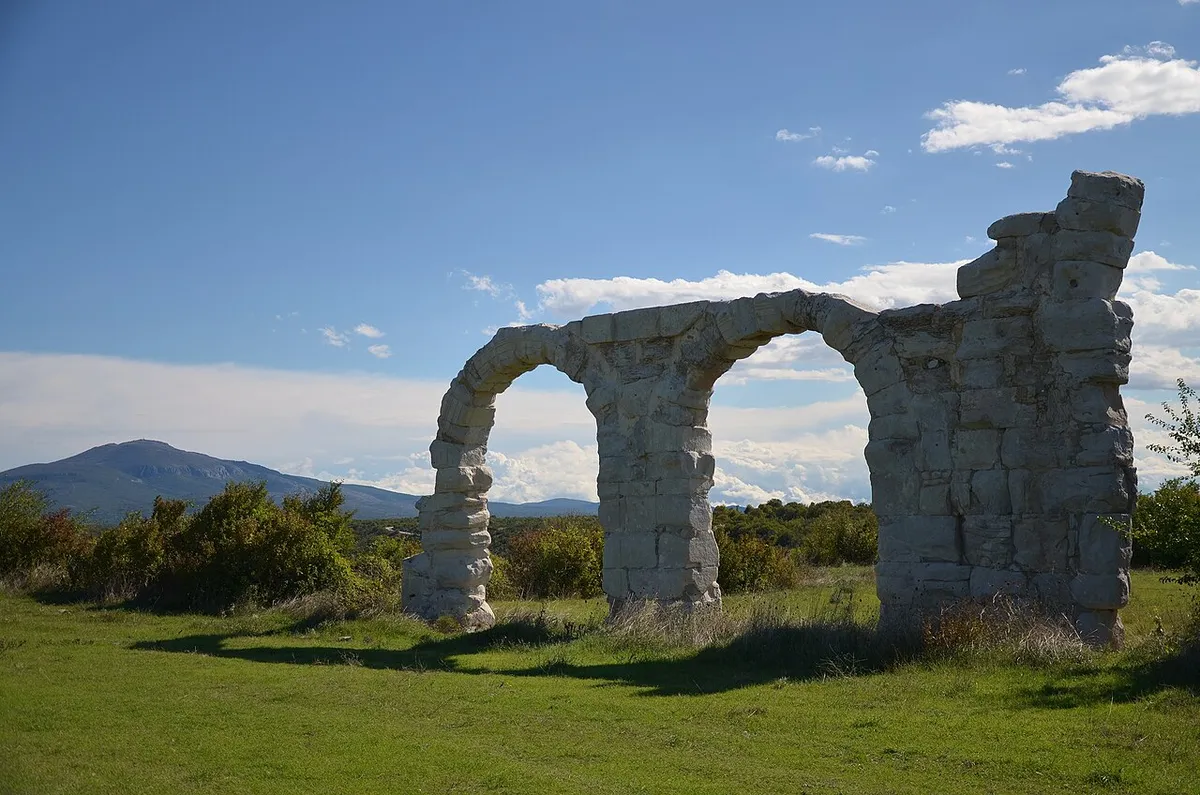
Burnum Roman Military Camp
Krka Region
Located near Krka National Park, Burnum was an important Roman military settlement controlling routes through Dalmatia. The camp was built for Roman legions and contained an amphitheatre, military buildings and roads.
Visitors can explore the archaeological remains and museum while enjoying the spectacular natural surroundings. The combination of Roman history, waterfalls and hiking trails makes Burnum one of Croatia's best ancient adventure stops.
Best for: A Roman legionary camp beside Krka's waterfalls.
Image: Modzzak (Public domain) via Wikimedia Commons
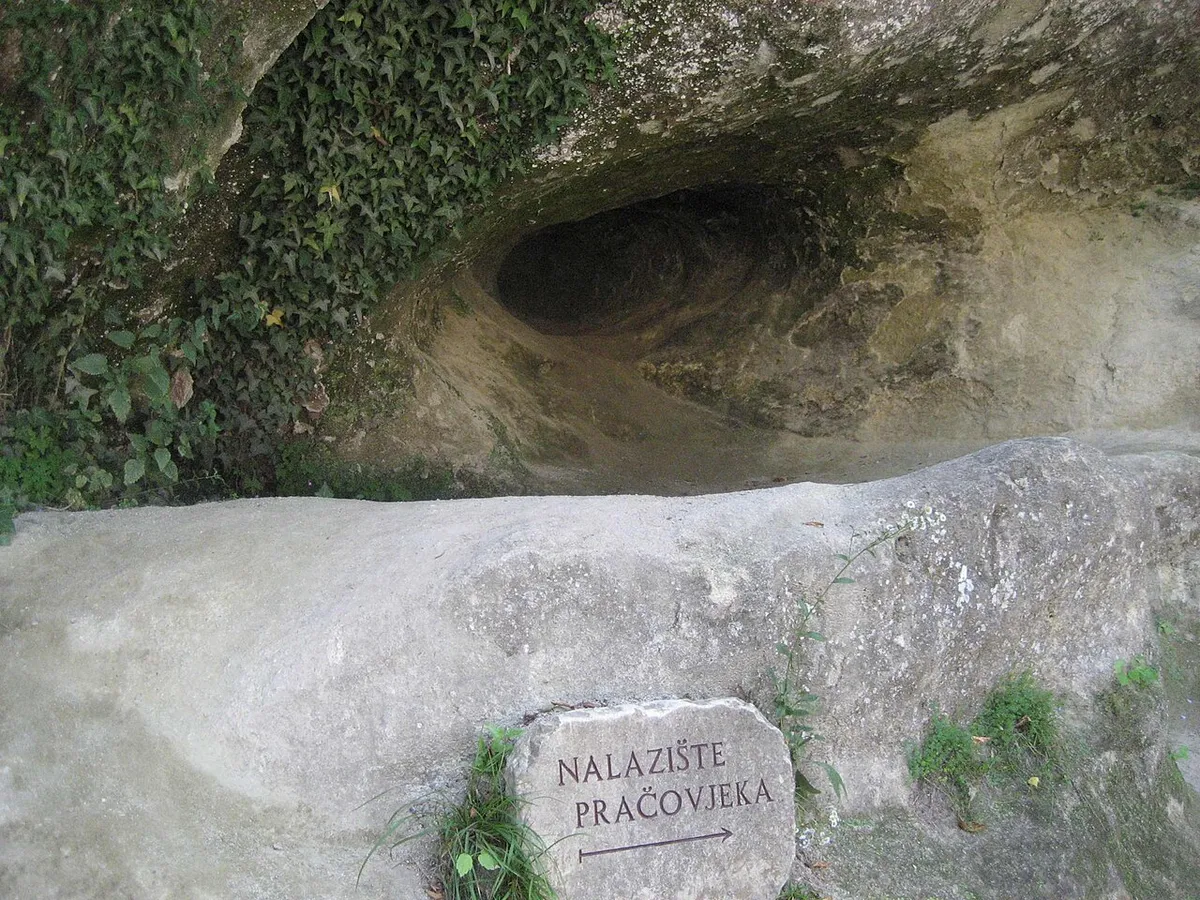
Krapina Neanderthal Site
Zagorje
The Krapina Neanderthal Site is one of Europe's most important prehistoric discoveries. Excavations in the late 19th century revealed thousands of Neanderthal bones and stone tools dating back around 130,000 years.
The modern museum provides an interactive journey through prehistoric life and human evolution. Located among the hills of northern Croatia, it combines well with walking routes, countryside exploration and nearby castles.
Best for: A world-class Neanderthal discovery and museum.
Image: WikiEditor2004 (Public domain) via Wikimedia Commons
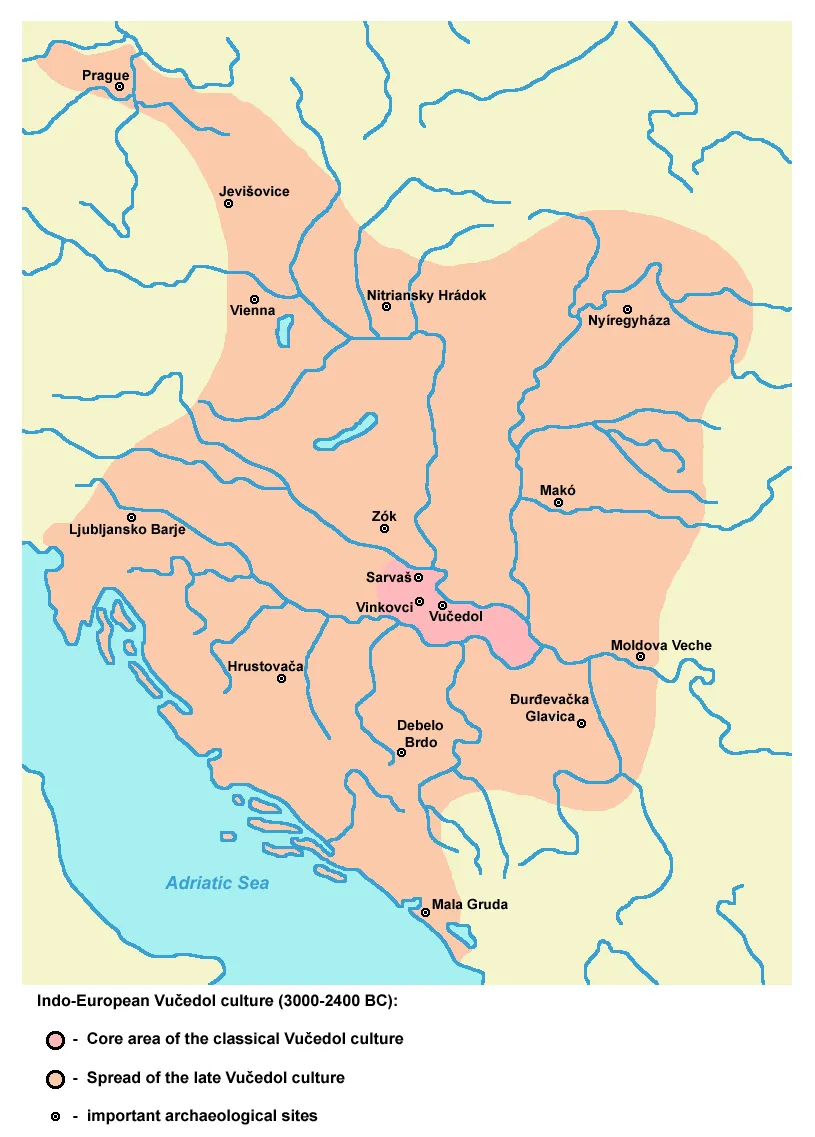
Vučedol Archaeological Site
Near Vukovar
The Vučedol culture was one of Europe's most significant Copper Age civilisations. Dating back around 5,000 years, the settlement produced remarkable pottery, metalwork and evidence of advanced craftsmanship.
Visitors can explore the Vučedol Culture Museum and archaeological landscape beside the Danube River. The riverside setting makes it a great stop for cycling routes and slow travel through eastern Croatia.
Best for: A Copper Age culture on the Danube.
Image: Bernhard Hänsel, Kristina Mihovilić and Biba Teržan (CC BY-SA 4.0) via Wikimedia Commons
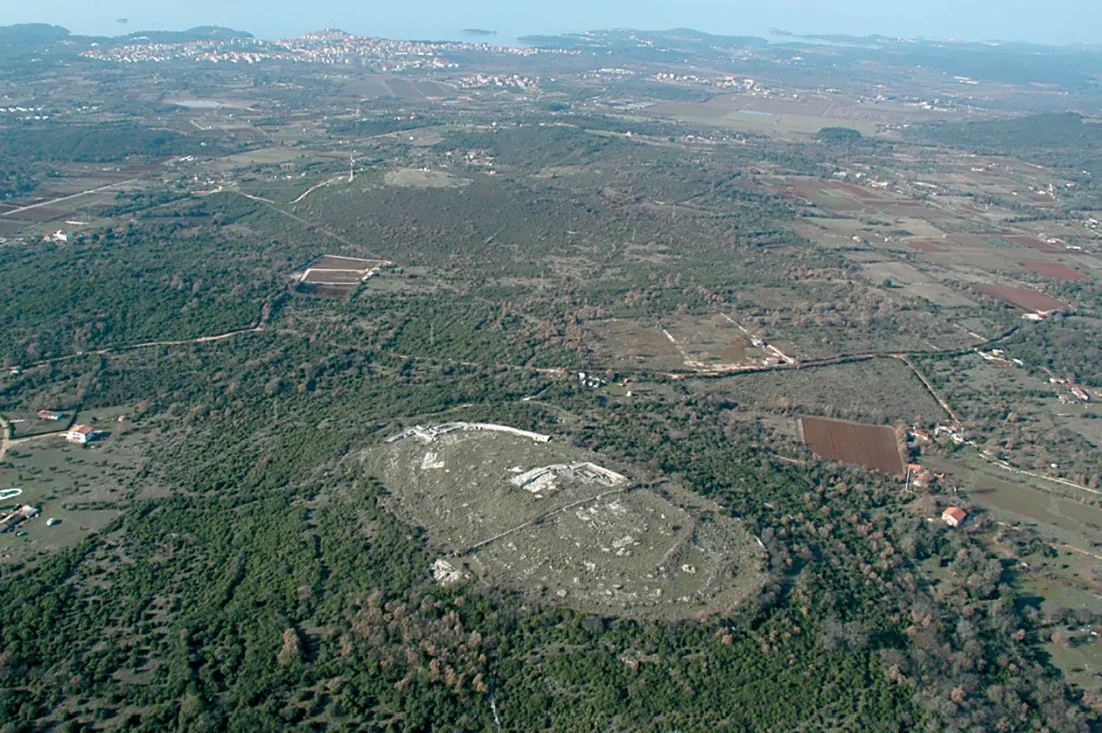
Monkodonja Hillfort
Istria
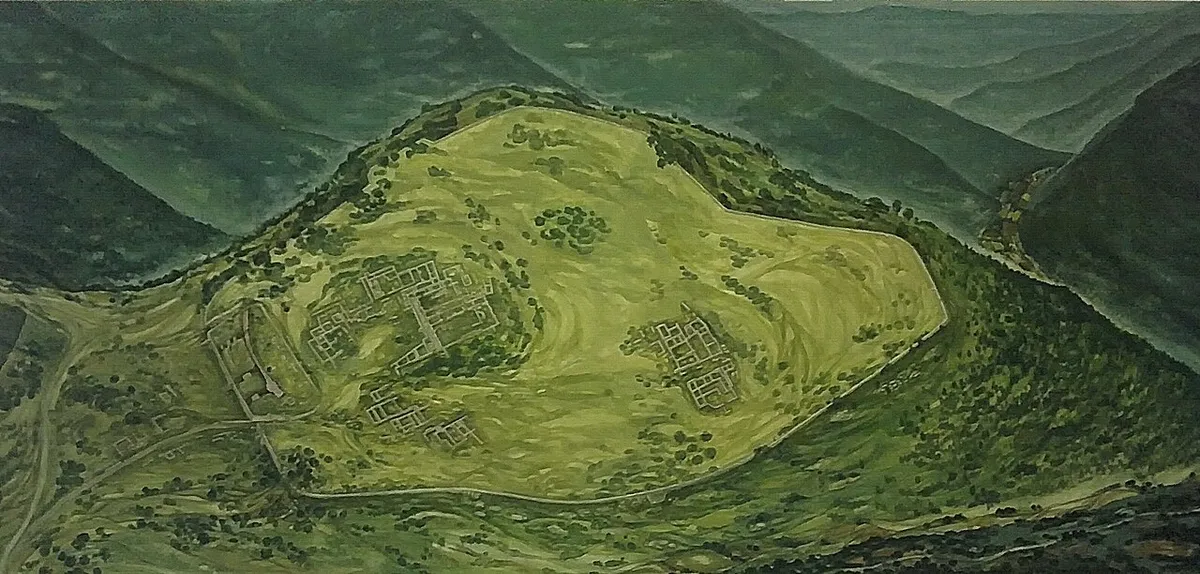
Monkodonja is a fascinating Bronze Age hillfort settlement near Rovinj. Built around 1800 BC, the site featured defensive walls, planned streets and organised housing.
Visitors can walk among the ancient stone remains while enjoying views across the Istrian countryside — a completely different perspective on Croatia's past beyond Roman and medieval history.
Best for: A planned Bronze Age hillfort near Rovinj.
Varvaria Ancient Settlement
Dalmatia
Near modern Bribirske Mostine, Varvaria was an ancient settlement with Illyrian and Roman connections. The site reveals layers of history including defensive walls, buildings and archaeological remains from several periods.
Its rural location provides a quieter alternative to Croatia's famous coastal ruins.
Best for: Layered Illyrian and Roman history in the countryside.
Image: Roberta F. (CC BY-SA 3.0) via Wikimedia Commons
Vela Spila Cave
Korčula Island
Vela Spila is one of the most important prehistoric caves in the Mediterranean. Human occupation dates back tens of thousands of years, with archaeological discoveries revealing changing climates, cultures and lifestyles.
Visitors can walk to the cave overlooking the island landscape and combine the visit with hiking and coastal exploration.
Best for: Deep prehistory in a cave above the island.