Belgium's history is written into its streets, squares, castles and ancient buildings. Despite being a small country, Belgium has played a major role in European history, becoming a crossroads of medieval trade, royal power, religious change and artistic innovation.
From the medieval canals of Bruges to the grand squares of Brussels and the ancient Roman heritage of Tongeren, Belgium's landmarks reveal the many cultures and empires that have shaped the country. These places are especially rewarding for outdoor travellers because historic towns often connect with cycling routes, walking trails and riverside paths.
For campers and explorers, Belgium offers the perfect combination of heritage and adventure — spend the morning exploring a UNESCO landmark and the afternoon hiking forests, cycling through villages or relaxing at a nearby campsite.
Image: Celuici (CC BY-SA 4.0) via Wikimedia Commons
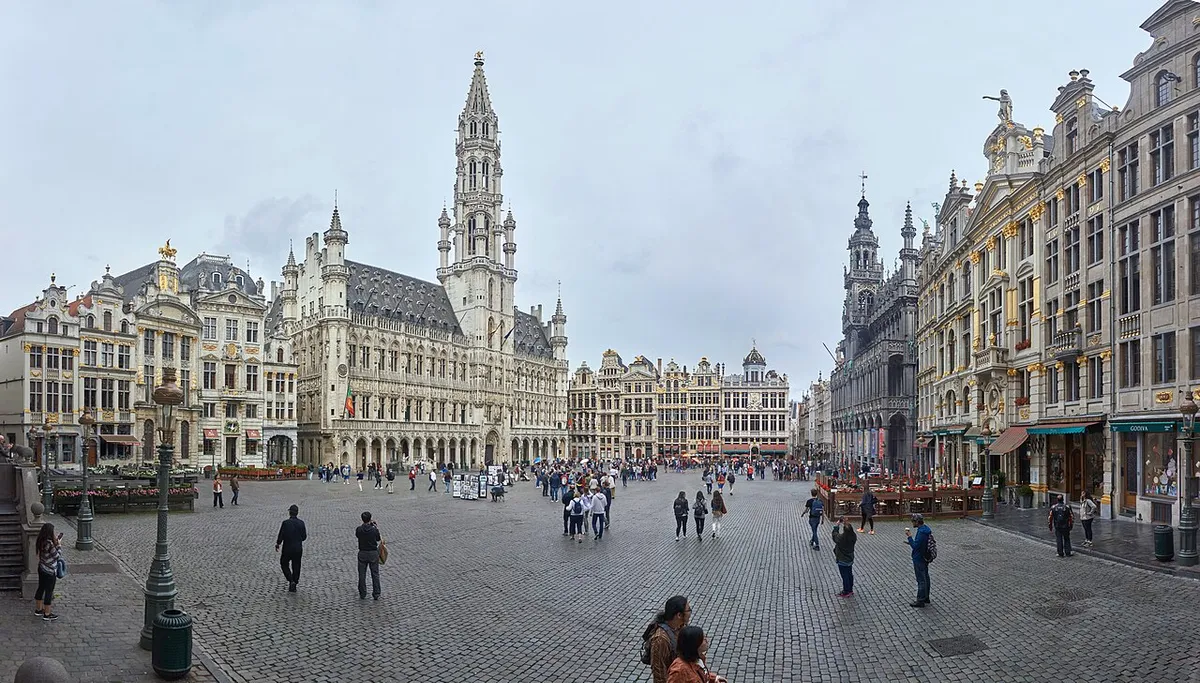
Grand Place, Brussels
Brussels Capital Region
The Grand Place is Belgium's most famous historic square and one of Europe's greatest examples of medieval and Baroque architecture. Originally the centre of Brussels' commercial life, the square developed into a symbol of the city's wealth and influence.
Surrounded by the magnificent Town Hall, guild houses and historic buildings, the square offers one of Belgium's most impressive architectural experiences. Visitors can explore the surrounding streets, discover museums and enjoy the atmosphere of one of Europe's most beautiful urban spaces.
The Grand Place represents the country's political, cultural and trading history, having witnessed royal celebrations, public events and dramatic moments across the centuries.
Best for: One of Europe's most beautiful city squares.
Image: Zairon (CC BY-SA 4.0) via Wikimedia Commons
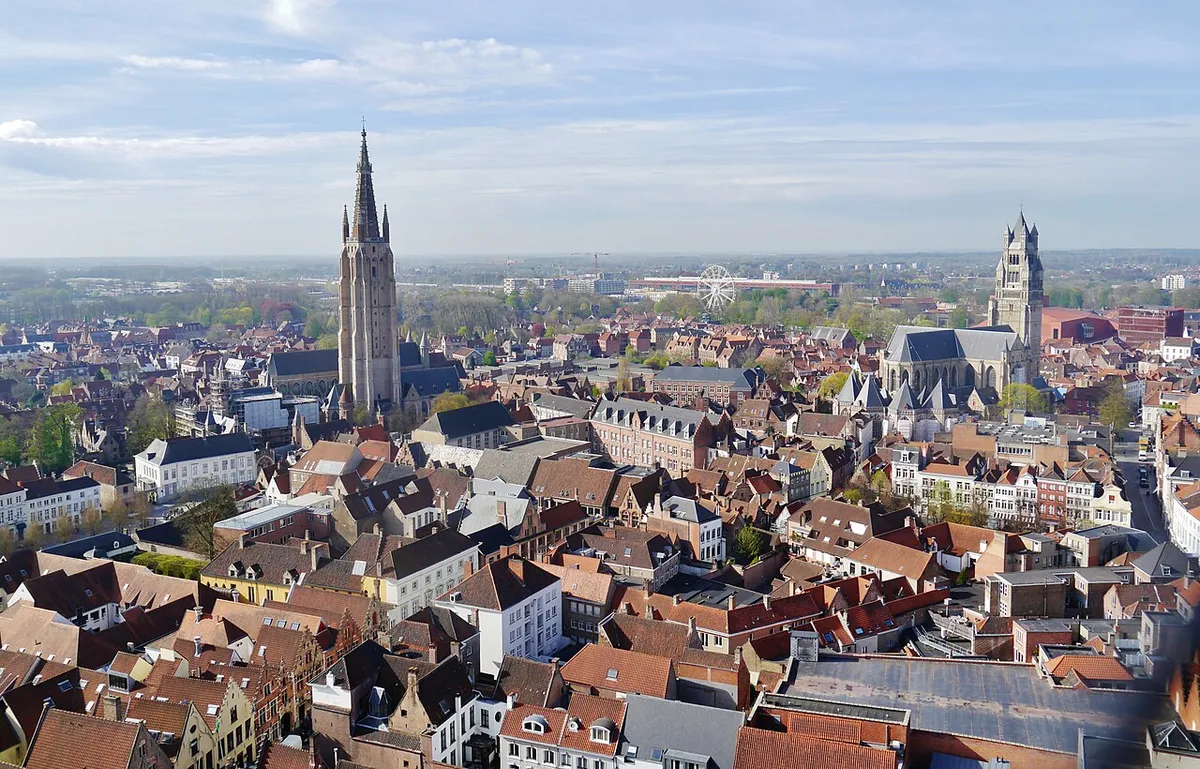
Historic Centre of Bruges
West Flanders
Bruges is one of Europe's best-preserved medieval cities and often described as a living museum. During the Middle Ages, it was one of the world's most important trading centres, connected to international markets through its canals and waterways.
Visitors can explore medieval streets, stone bridges, historic churches, canal routes and the famous Belfry tower. The city's compact layout makes it perfect for walking or cycling, allowing travellers to discover hidden corners away from the busiest areas.
Few places preserve medieval European life so completely. For outdoor travellers, it also works brilliantly as part of a wider cycling adventure through Flanders' countryside.
Best for: A perfectly preserved medieval canal city.
Image: Demeester (CC BY-SA 3.0) via Wikimedia Commons
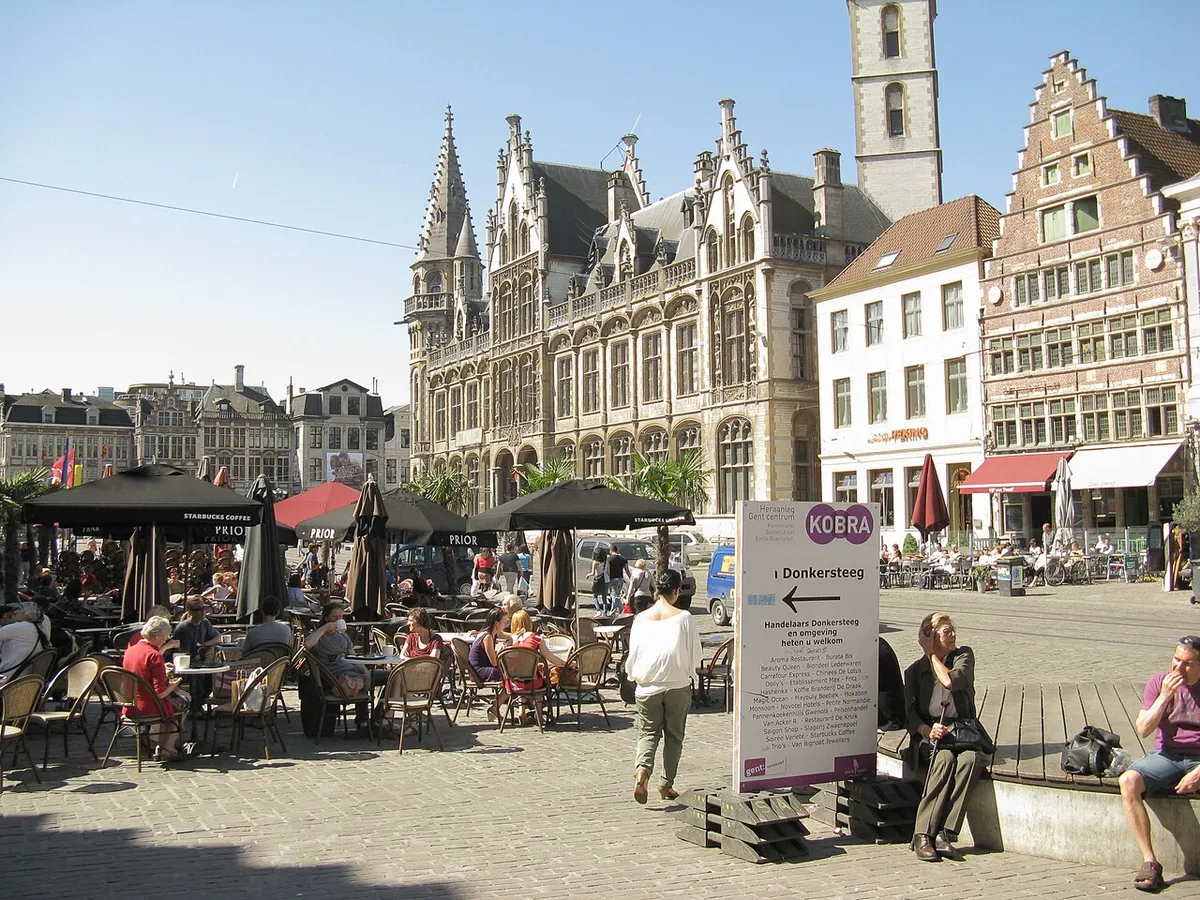
Historic Centre of Ghent
East Flanders
Ghent combines medieval architecture, university life and a lively cultural atmosphere. Once one of Europe's richest cities, it became a powerful centre of textile production and trade during the Middle Ages.
The city's landmarks include Gravensteen Castle, St Bavo's Cathedral and the famous medieval waterfront of Graslei and Korenlei. Visitors can walk through centuries of history while enjoying restaurants, museums and riverside routes.
Ghent is one of Belgium's most rewarding historic destinations because it feels both ancient and alive — a medieval city without feeling like a museum.
Best for: A living medieval city with a lively waterfront.
Image: Yair Haklai (CC BY-SA 4.0) via Wikimedia Commons
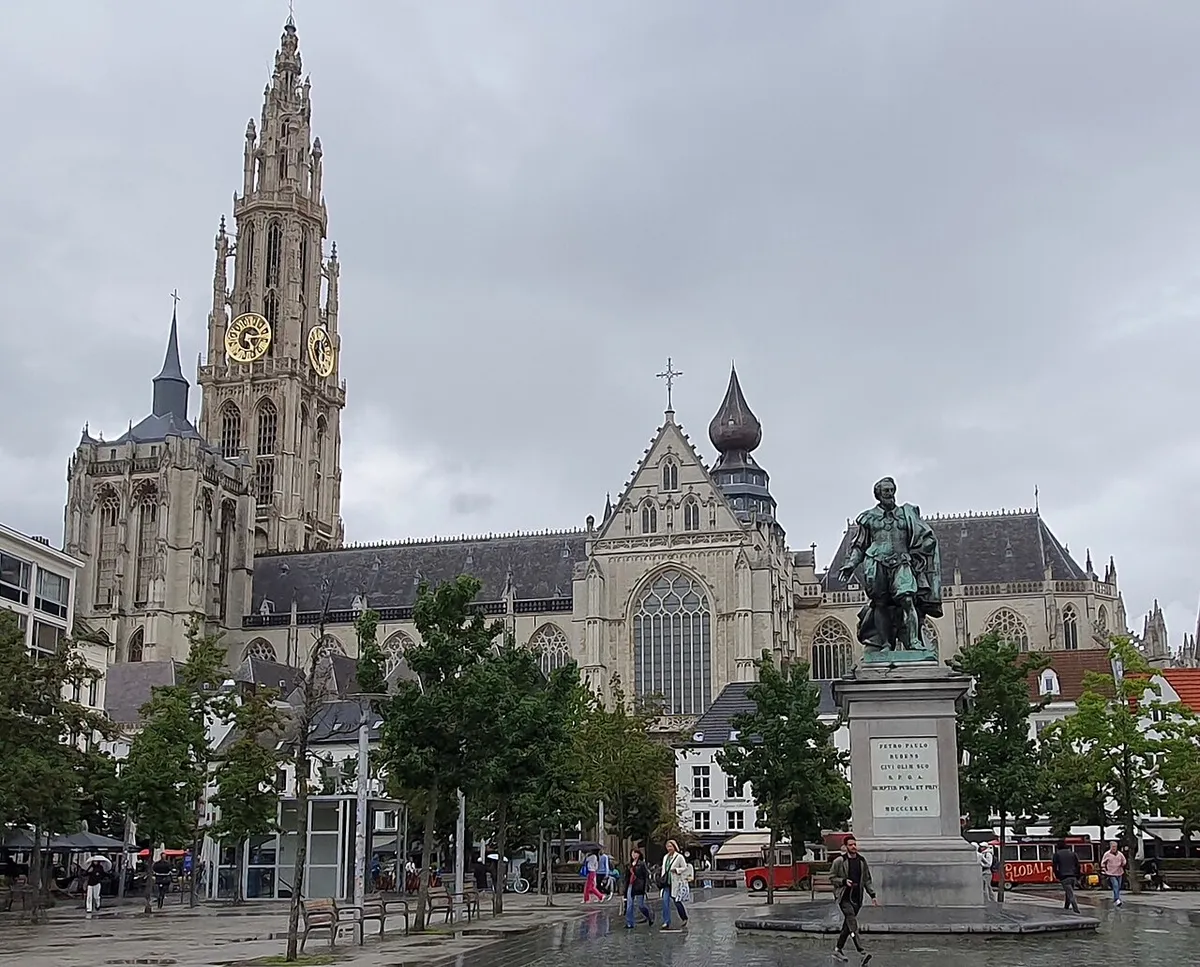
Cathedral of Our Lady, Antwerp
Antwerp Province
The Cathedral of Our Lady dominates Antwerp's skyline and is one of Belgium's greatest Gothic masterpieces. Construction began in the 14th century and continued for almost two centuries, reflecting Antwerp's rise as a major European trading city.
Inside, visitors can admire spectacular Gothic architecture and important artworks by Peter Paul Rubens, one of the most famous artists of the Flemish Baroque period.
The cathedral represents the connection between religion, art and the wealth created by medieval and early modern trade.
Best for: Gothic architecture and masterpieces by Rubens.
Image: Mylius (CC BY-SA 3.0) via Wikimedia Commons
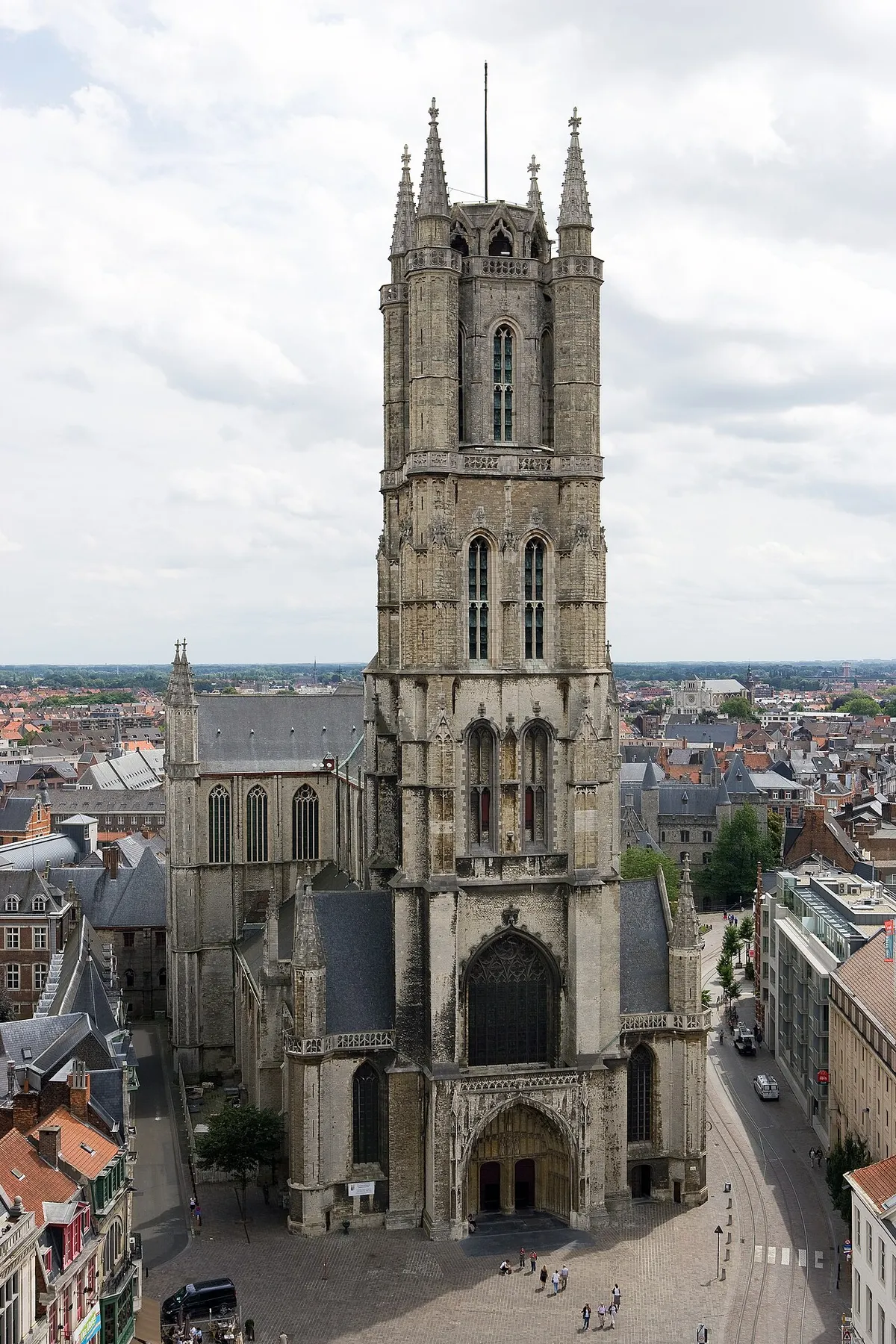
St Bavo's Cathedral
Ghent
St Bavo's Cathedral is one of Belgium's most important religious landmarks and home to the famous Ghent Altarpiece, one of the world's greatest works of early Flemish painting.
The cathedral's history stretches back centuries, with Romanesque and Gothic elements showing how the building evolved through different periods.
Visitors can explore the impressive interior, discover religious art and learn about the history of one of Europe's most influential artistic centres.
Best for: Home of the celebrated Ghent Altarpiece.
Image: Marek Śliwecki (CC BY-SA 4.0) via Wikimedia Commons
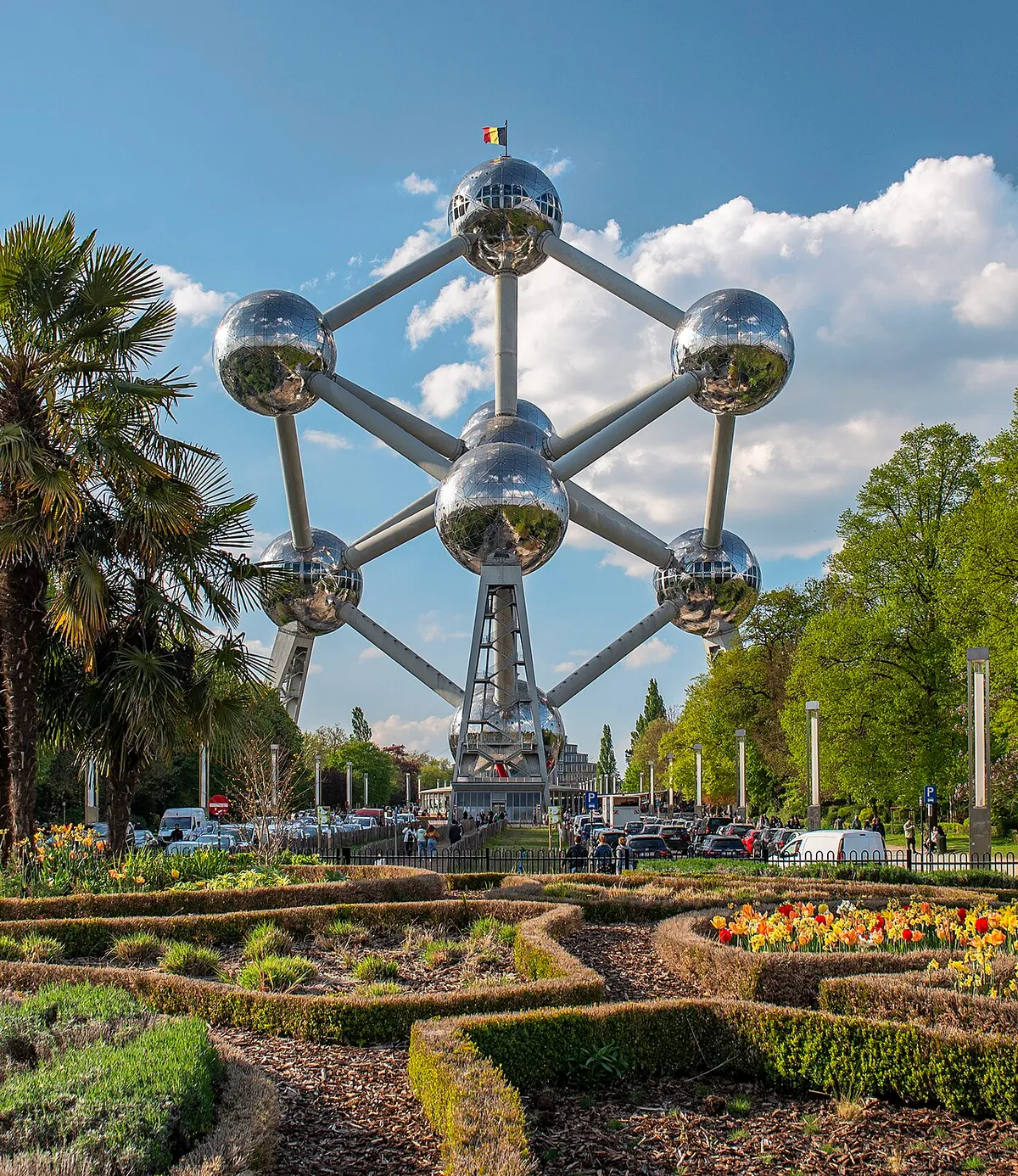
Atomium
Brussels
Although built in the 20th century, the Atomium has become one of Belgium's most recognisable landmarks. Created for the 1958 Brussels World Expo, the unusual structure represents an iron crystal magnified billions of times.
Visitors can enter the spheres, explore exhibitions and enjoy panoramic views over Brussels.
The Atomium represents Belgium's modern history and its ambition to combine science, design and innovation with national identity.
Best for: A striking 1958 Expo landmark with city views.
Image: Sally V (CC BY-SA 4.0) via Wikimedia Commons
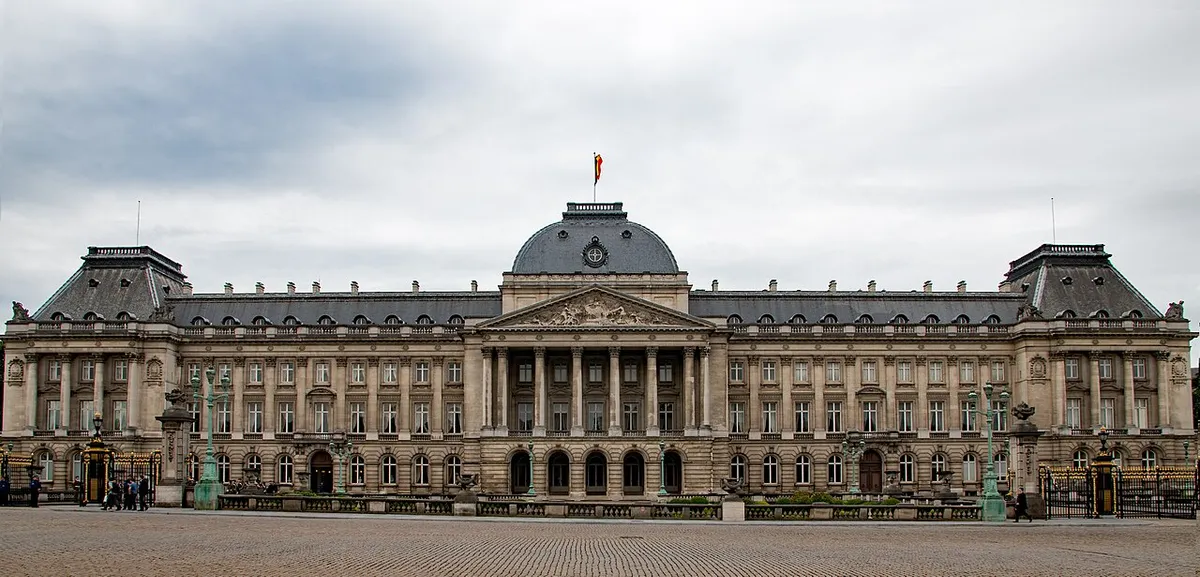
Royal Palace of Brussels
Brussels
The Royal Palace of Brussels is one of Belgium's most important symbols of monarchy and national identity. Although not the royal family's main residence, it remains the official palace of the Belgian king.
The building showcases impressive 19th-century architecture and grand state rooms, which open to visitors during certain periods of the year.
The palace provides insight into Belgium's modern royal history and makes a fascinating stop when exploring the capital's historic district.
Best for: Grand state rooms in the heart of Brussels.
Image: original: Jeanhousen derivative work: P199 (CC BY-SA 3.0) via Wikimedia Commons
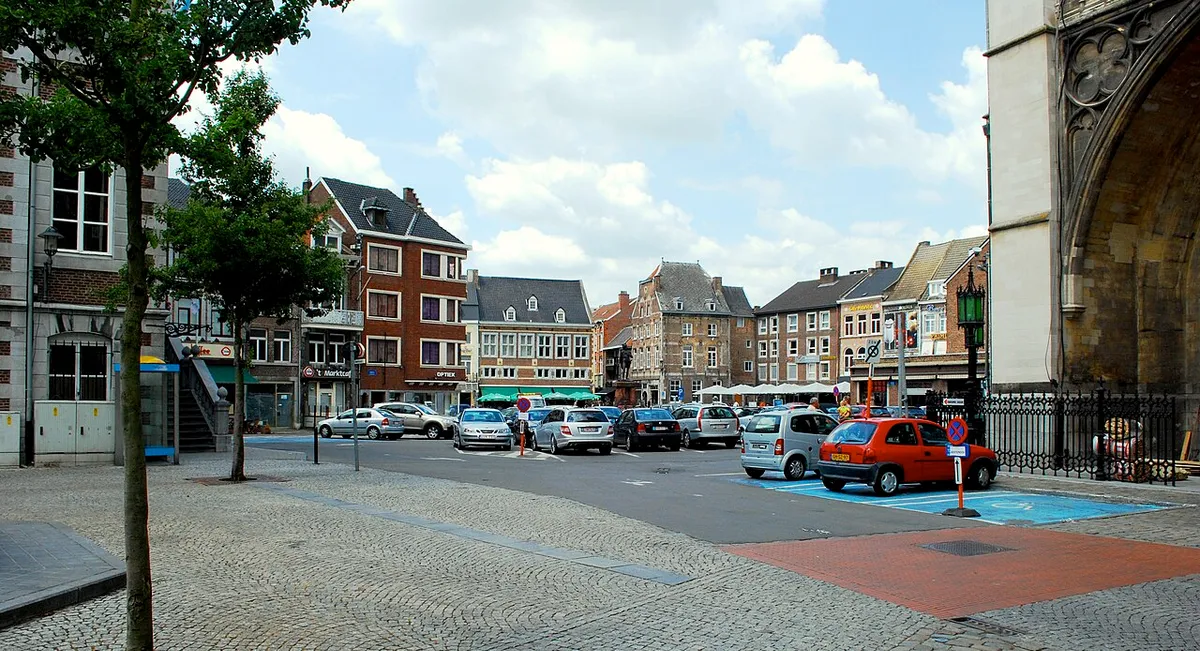
Tongeren Historic Centre
Limburg
Tongeren is Belgium's oldest city and has roots stretching back to the Roman period. Founded as Atuatuca Tungrorum, it became an important administrative and trading centre in Roman Gaul.
Visitors can explore Roman remains, medieval streets, the Basilica of Our Lady and the famous Gallo-Roman Museum.
Tongeren connects modern Belgium with its ancient past and shows how the country's history extends far beyond medieval castles.
Best for: Belgium's oldest city and its Roman roots.
Image: Peter Meuris (CC BY-SA 2.0) via Wikimedia Commons
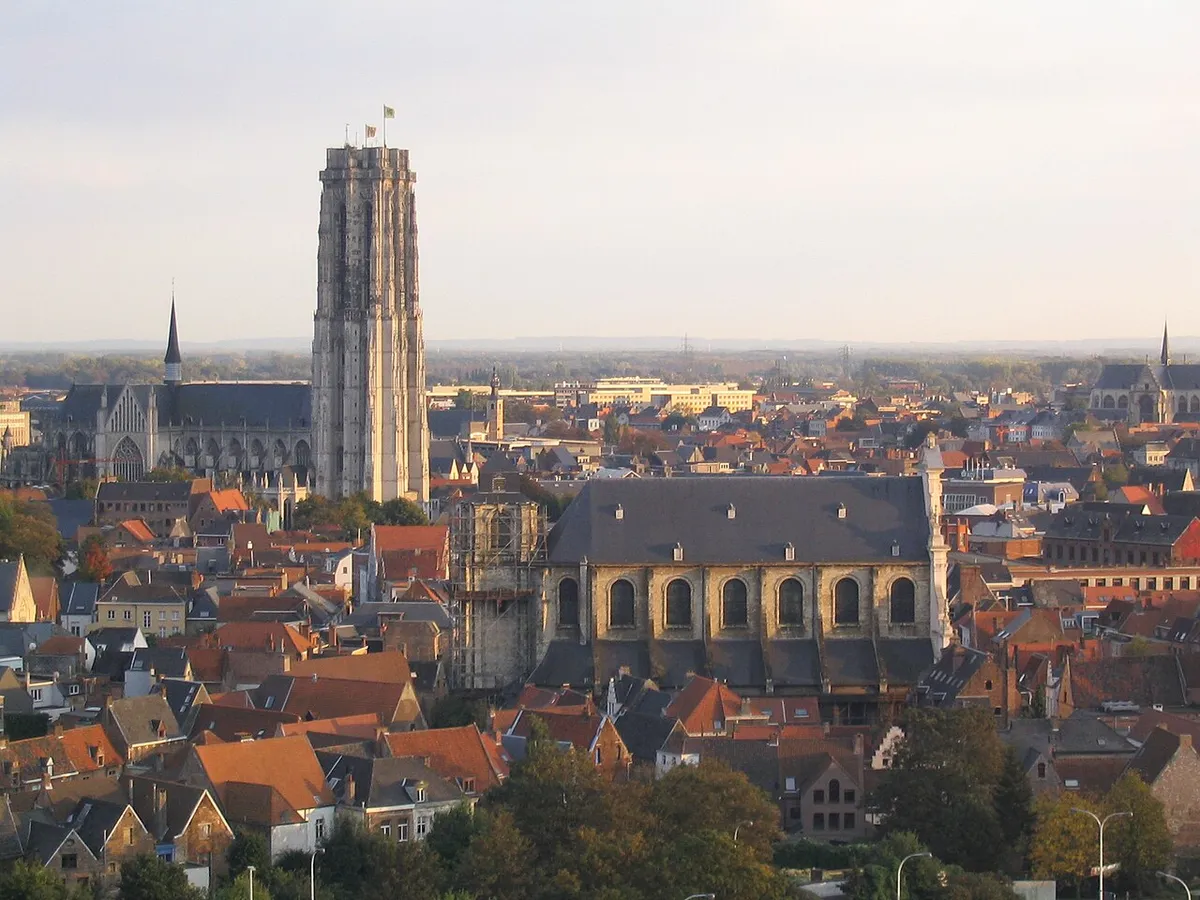
Mechelen Historic Centre
Antwerp Province
Mechelen was once one of the most influential cities in the Burgundian Netherlands and remains filled with historic architecture.
The city is famous for St Rumbold's Cathedral, medieval streets and Renaissance buildings that reflect its former importance as a political and religious centre.
Mechelen is an excellent destination for travellers wanting a quieter alternative to Brussels or Bruges while still experiencing authentic Belgian heritage.
Best for: A quieter alternative to Brussels and Bruges.
Image: FrDr (CC BY-SA 4.0) via Wikimedia Commons
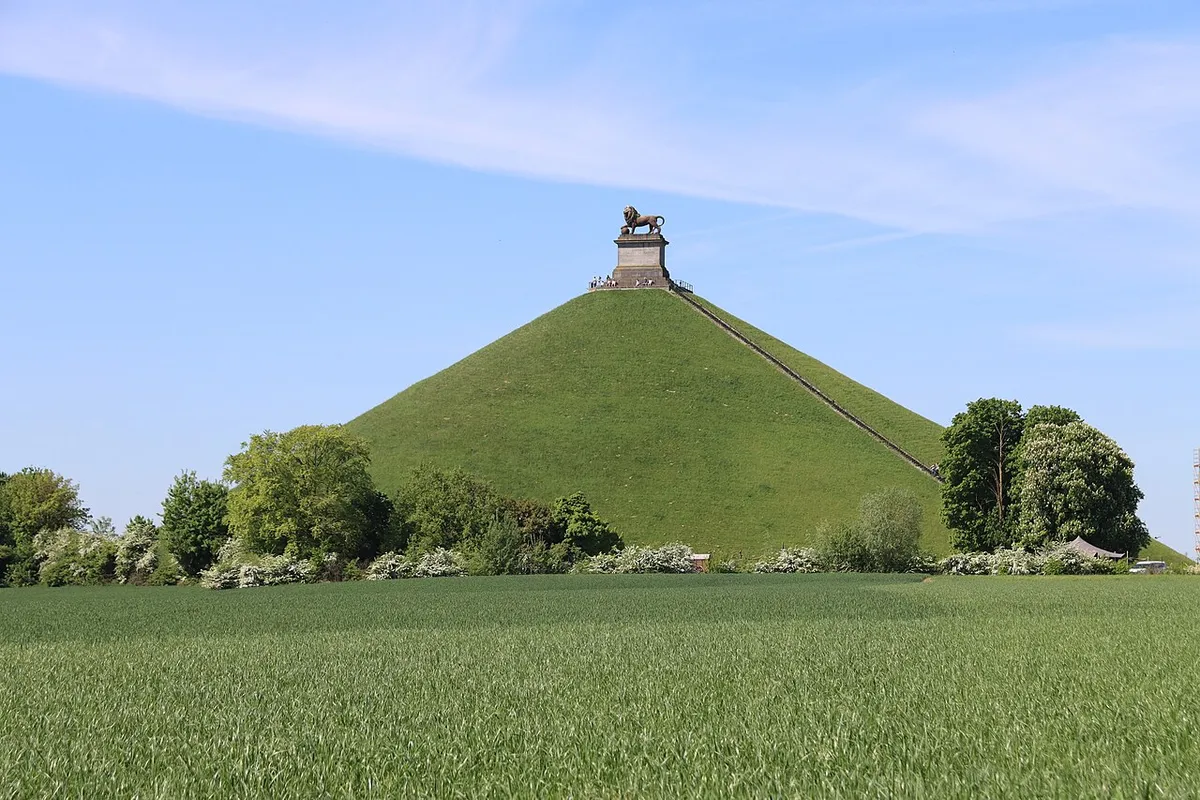
Waterloo Battlefield & Lion's Mound
Walloon Brabant
The Waterloo landscape is one of Belgium's most famous historic sites, marking the location of Napoleon Bonaparte's final defeat in 1815.
Visitors can climb Lion's Mound, explore museums and walk across the battlefield landscape where European history changed forever.
The site combines history with open countryside, making it particularly attractive for walkers and outdoor travellers exploring Wallonia.
Best for: The Lion's Mound and Napoleon's last battlefield.