Verona is a historic province in the Veneto region of northeastern Italy, home to one of Europe's best-preserved Roman amphitheaters. The province blends medieval architecture, Renaissance art, and stunning lakeside landscapes.
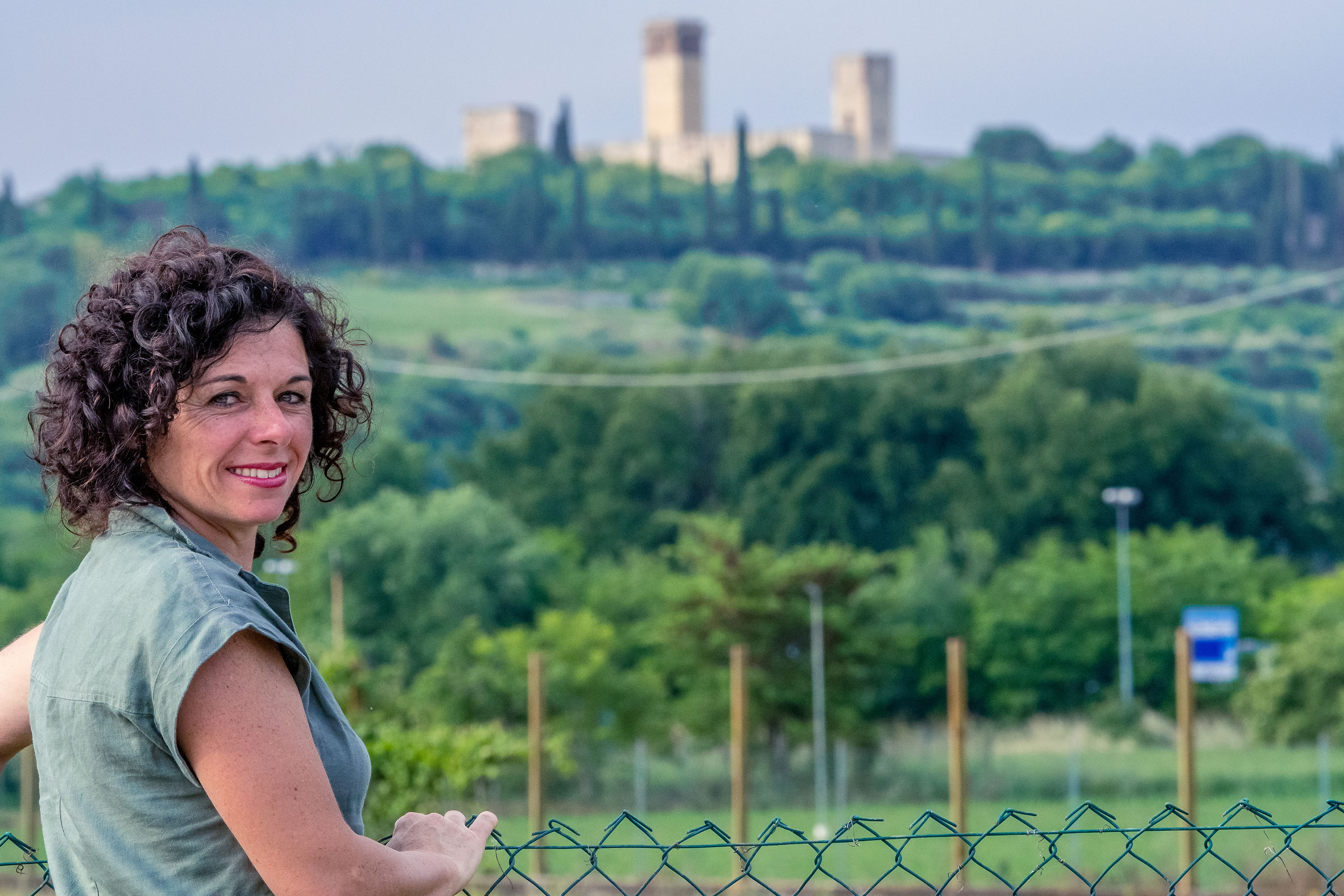
Browse Verona campsites Verona, Italy Photo by Alessandro Carrarini on UnsplashVerona was an important Roman city and later became a major power under Venetian rule from the 14th to 18th centuries. The city was immortalized as the setting for Shakespeare's Romeo and Juliet, contributing to its enduring cultural significance.
Runs north from Verona through Trento and Bolzano, following the Adige river gorge with steadily rising mountain scenery. A classic Interrail leg heading into the Dolomites and Austria.
A fast, frequent regional/high-speed link east across the Veneto plain via Vicenza and Padova, useful for combining a Lake Garda base with day trips to Venice.
Skirts the southern tip of Lake Garda, with views of the lake and the Sirmione peninsula just before and after Peschiera del Garda station.
Follows the crest of Monte Baldo above Lake Garda's eastern shore, with sweeping lake and Dolomite views; accessible via cable car from Malcesine for shorter sections.
Network of paths across the karst plateau north of Verona, passing dry-stone huts (malghe), fossil sites and dolines; good for families and geology fans.
Gentle walking route through the vineyard hills of Valpolicella near Fumane and Sant'Ambrogio, passing wine estates and the Ponte di Veja natural rock arch.
Growing network of lakeside cycle paths connecting towns on Lake Garda's southern and eastern shores, including a dramatic elevated section near Limone (Trentino side) worth the detour.
Follows the Adige river cycle path through Verona city and south towards Mantova/Legnago, largely traffic-free and well suited to loaded touring bikes.
Signposted route through the Valpolicella wine district's vineyards and villages such as Negrar, Fumane and San Pietro in Cariano, with cellar-door stops along the way.
Walled medieval town dominated by a hilltop Scaliger castle, at the centre of the Soave DOC white wine area.
Lake Garda town on the eastern shore with a castle on the water's edge and a cable car climbing to Monte Baldo.
Lakeside town known for its light red Bardolino wine, harbourside promenade and Romanesque churches.
Small fortified mill hamlet straddling the Mincio river, one of Italy's officially recognised 'Borghi più belli'.
Main village of the Lessinia plateau, a base for hiking, cross-country skiing and exploring the area's caves and geology.
Visit family-run wineries in the Valpolicella hills for tastings and cellar tours, particularly around Negrar, Fumane and Sant'Ambrogio.
Rotating gondola from Malcesine up to over 1,700m, with panoramic views over Lake Garda and access to paragliding and hiking routes.
The Lessinia plateau's limestone is riddled with caves (grotte) and fossil-rich outcrops, plus the striking Ponte di Veja natural arch.
Windsurfing, sailing and kitesurfing are popular on the southern and eastern shores, with schools in towns like Bardolino and Torri del Benaco.
The Roman amphitheatre in Verona hosts a major open-air opera season through summer, one of the best-known opera festivals in the world.
Verona's food culture sits between the Alps, the Po plain and Lake Garda. The province is the heartland of Amarone della Valpolicella, a powerful red made from dried grapes, alongside the lighter Valpolicella and Bardolino reds and the crisp Soave white. Kitchens make good use of Monte Veronese cheese, olive oil pressed around the lake, and lake fish such as sardine and trout. Signature dishes include risotto all'Amarone, bigoli pasta with duck or anchovy sauce, and pastissada de caval, a slow-cooked horse meat stew tied to the city's historic cavalry traditions. Come Christmas, Verona claims pandoro, the star-shaped golden cake now found across Italy.
Verona's historic centre, with its Roman, medieval and Renaissance layers including the Arena and Piazza delle Erbe, was inscribed as a UNESCO World Heritage Site in 2000.
Regional nature park covering the limestone plateau north of Verona, protecting alpine pasture, caves, gorges and fossil sites.
Major international wine trade fair held in Verona each April, drawing producers and buyers from across Italy and abroad.
Open-air opera season staged in the Roman Arena from June to September, a fixture of Verona's cultural calendar.
Grape harvest festival held in late September in Bardolino, with parades, food stalls and local wine.